





The Truth About Air-Purifying Plants
The idea that houseplants can scrub the air clean is a popular one, largely thanks to a 1989 NASA study. While the study did show that plants in a sealed chamber could remove toxins, the reality in a home with open doors and windows is quite different.
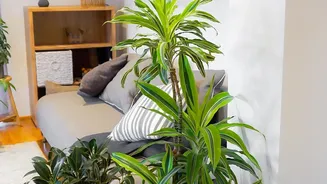
Subsequent research has clarified that you would need an enormous number of plants—as many as 10 to 1,000 per square meter—to significantly impact your home's air quality. The air exchange from simply opening a window is far more effective. So, while plants like Snake Plants and Peace Lilies are often touted as air-purifying heroes, their effect in a typical bedroom is minimal. The real benefit is aesthetic and psychological; caring for something and seeing it thrive can reduce stress and boost your mood.
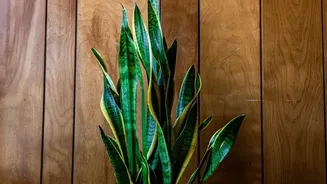
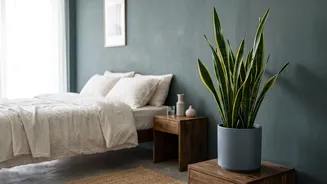
The Snake Plant: A Hardy, Architectural Classic
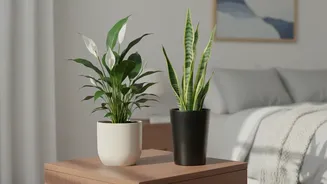
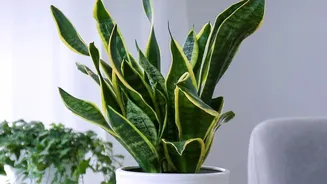
The Snake Plant (Dracaena trifasciata) is the ultimate beginner's plant for a reason. Its stiff, upright leaves add a modern, architectural touch to any space. It’s renowned for its ability to thrive on neglect, tolerating low light and infrequent watering. In fact, the most common way to kill a snake plant is by overwatering it. One of its unique qualities is that it performs a type of photosynthesis that allows it to release oxygen at night, unlike most other plants. While the amount of oxygen is unlikely to have a major impact on your sleep, it's a neat feature that makes it a popular bedroom choice. Its resilience and striking appearance are reason enough to welcome it into your home.
The ZZ Plant: Your Indestructible Companion
If you consider yourself a 'plant killer,' the ZZ Plant (Zamioculcas zamiifolia) is here to prove you wrong. This plant is famously durable and thrives on neglect, making it perfect for busy individuals or frequent travellers. With its wide, dark green, glossy leaves, it looks almost artificial in its perfection. The ZZ Plant is extremely drought-tolerant thanks to its large, potato-like rhizomes that store water. It prefers bright, indirect light but is remarkably adaptable to very low-light conditions, making it an excellent choice for a dim corner of your bedroom. You only need to water it every few weeks when the soil is completely dry.
The Pothos: A Forgiving and Fast-Growing Vine
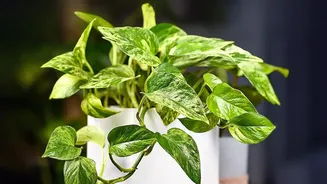
The Pothos, or Devil's Ivy, is another forgiving favourite that’s perfect for beginners. This trailing plant quickly adds a lush, vibrant feel to a room, whether it’s sitting on a shelf and cascading down or placed in a hanging basket. Pothos is adaptable to various light conditions, from low light to bright, indirect sun, though direct sun can scorch its leaves. It’s also very communicative; its leaves will start to droop slightly when it’s thirsty, taking the guesswork out of watering. It’s incredibly easy to propagate from cuttings, meaning you can easily share your plant with friends or create new plants for other rooms in your home.
The Peace Lily: An Elegant and Communicative Choice
The Peace Lily (Spathiphyllum) brings a touch of elegance with its glossy, dark green leaves and iconic white flowers, which are actually modified leaves called spathes. While it requires a bit more attention than a Snake Plant or ZZ Plant, it's still relatively easy to care for. It's an excellent communicator, famously drooping when it needs water, which helps prevent overwatering. It prefers medium, indirect light and consistently moist soil. Beyond its beauty, it's often listed as an air-purifying plant, but as with others, its primary value in the bedroom is its serene appearance and the simple satisfaction it provides.