




The Allure of Kitchen-Based Skincare
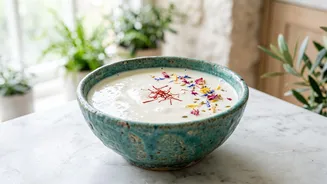
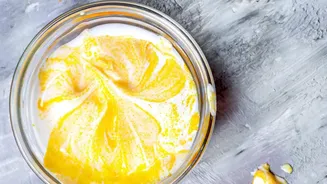
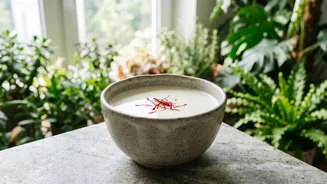
When a celebrity like Kushboo Sundar shares a skincare secret that doesn't involve an expensive serum but instead uses ingredients from the kitchen, people listen. In a recent interview, the actor mentioned applying raw milk and sometimes saffron-infused
water to her face as part of her morning routine. This approach feels familiar and accessible, tapping into a long tradition of home-based beauty practices passed down through generations. The appeal is understandable; it feels natural, cost-effective, and connected to age-old wisdom. For many, ingredients like milk, saffron, and natural oils are associated with purity and care, a welcome contrast to complex chemical formulas. However, 'natural' doesn't always mean safe or effective for every skin type.
Saffron: A Spice with Skincare Potential
Saffron, the prized crimson spice, has been used in beauty rituals for centuries. Modern science has begun to validate some of these traditional uses. Saffron is rich in antioxidants like crocin and crocetin, which help protect the skin from environmental stressors and free radical damage. Studies suggest it has anti-inflammatory and depigmenting properties, meaning it can help soothe irritation and may inhibit the enzyme responsible for dark spots. This is why it's found in many commercial brightening and anti-aging products. However, dermatologists note that using saffron-infused water at home offers limited, unproven benefits for changing the skin's appearance, and for those with sensitive skin or spice allergies, it could potentially cause contact dermatitis.
The Raw Milk Reality: A Major Red Flag
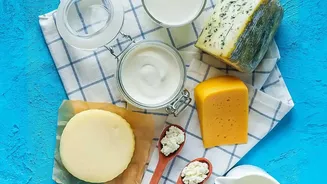
Here is where the advice shifts from traditional practice to a significant health concern. Raw milk is milk that has not been pasteurized—a heating process that kills harmful bacteria. While proponents might believe it contains more active enzymes, dermatologists are united in their warnings against applying it to the face. Unpasteurized milk can be a breeding ground for dangerous bacteria like Salmonella, E. coli, and Listeria. Applying these microbes directly to your skin can lead to serious infections, irritation, and breakouts, especially if you have sensitive skin, acne, or a compromised skin barrier from cuts or eczema. For pregnant women, exposure to Listeria is particularly dangerous.
What About Lactic Acid?
The main argument for milk in skincare is its lactic acid content. Lactic acid is an alpha-hydroxy acid (AHA) known for being a gentle exfoliant. It works by dissolving the bonds between dead skin cells, promoting a smoother, brighter complexion. Legends even tell of Cleopatra bathing in milk for its skin-softening effects. However, the concentration of lactic acid in raw milk is inconsistent and generally too low to provide the reliable exfoliating benefits found in professionally formulated skincare products. In a cosmetic product, lactic acid is purified, pH-balanced, and used at a specific concentration to be both effective and safe. Relying on raw milk for this benefit comes with the significant risk of bacterial contamination that far outweighs any potential gentle exfoliation.
What Dermatologists Recommend Instead
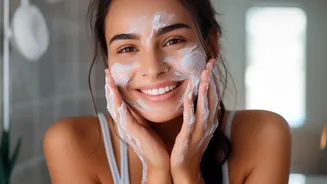
If you are drawn to the benefits of saffron and lactic acid, the safest and most effective approach is to use professionally formulated products. Look for serums or creams that contain saffron extracts, which have been prepared for cosmetic use. For exfoliation, products with lactic acid are excellent, especially for those with dry or sensitive skin. A dermatologist can recommend a product with the right concentration for your needs. Experts agree that the foundation of good skin health remains a simple, consistent routine: a gentle cleanser, a suitable moisturizer, and, most importantly, a broad-spectrum sunscreen every single day. Before trying any DIY remedy, especially one involving raw ingredients, performing a patch test and consulting an expert is always the wisest course of action.