
The Engines of Discovery
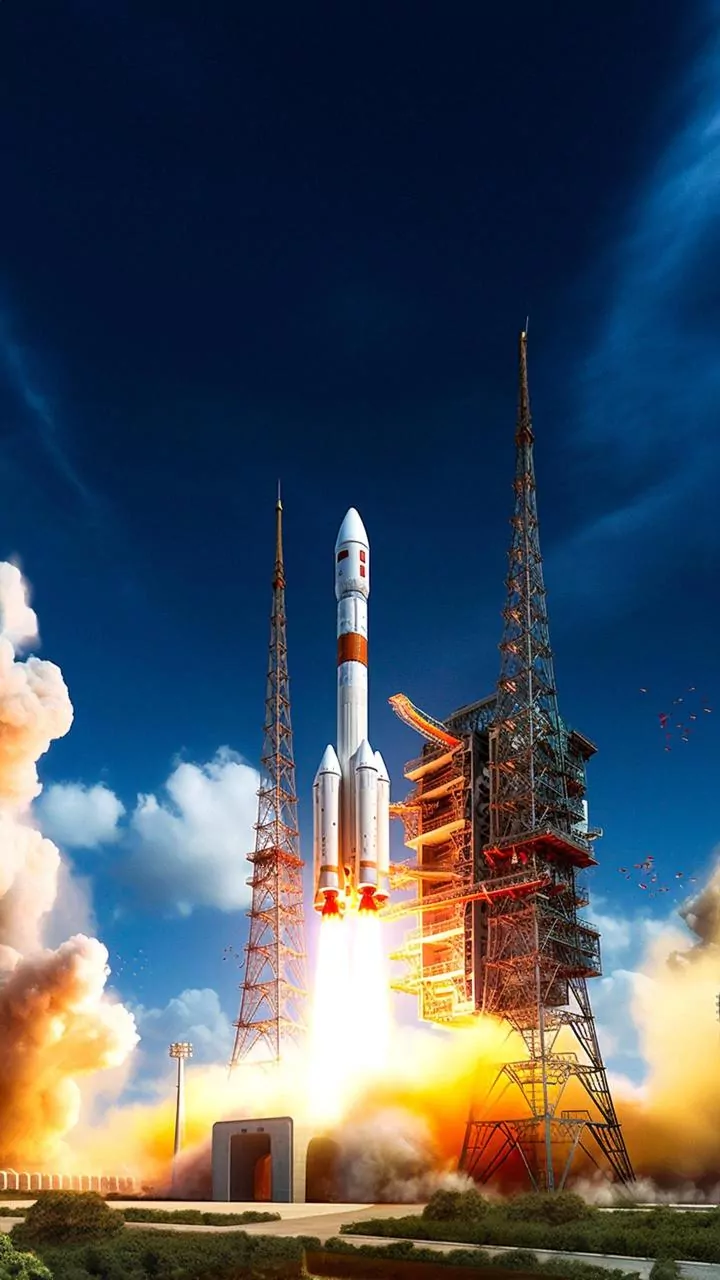
Every satellite in orbit, every probe sent to another planet, and every astronaut who has touched the void began their journey atop a controlled explosion. Launch vehicles, or rockets, are the foundational technology of space exploration, providing the immense
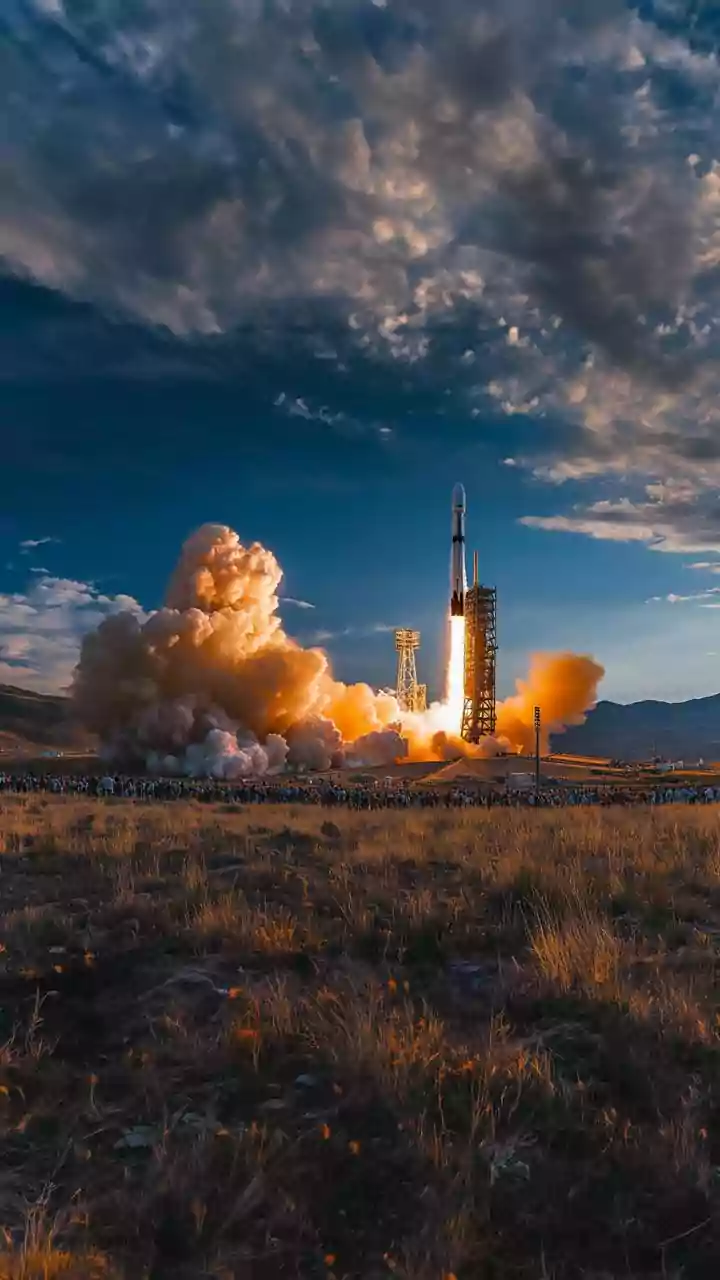
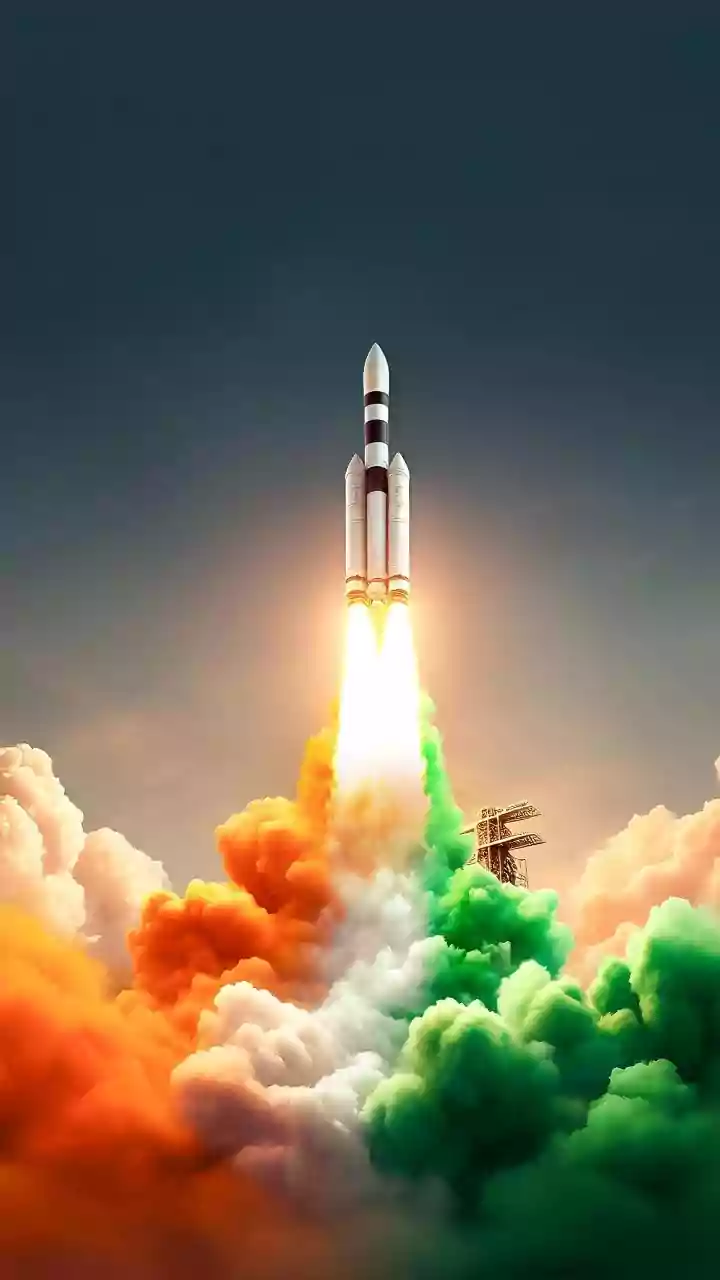
thrust needed to escape Earth's gravity. This year, World Space Week, held from October 4 to 10, fittingly adopts the theme 'Rocket Revolution'. The theme acknowledges a global shift where space access is no longer the exclusive domain of a few government agencies. It highlights how innovations like reusable boosters and new commercial players are dramatically lowering launch costs and transforming what’s possible in orbit and beyond. For India, this revolution is both an opportunity and a point of national pride, built on decades of homegrown engineering.
India’s Dependable Workhorse: The PSLV
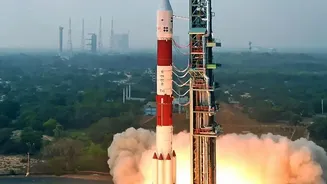
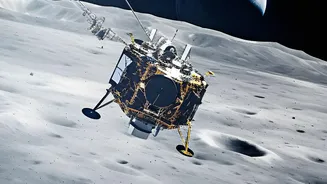
For decades, the backbone of India's space programme has been the Polar Satellite Launch Vehicle (PSLV). Considered ISRO's most reliable rocket, the PSLV has an impressive track record, with over 50 consecutive successful missions. While not designed for extremely heavy payloads, its versatility and cost-effectiveness have made it a global favourite for launching small to medium satellites. This four-stage rocket was responsible for some of India's most celebrated missions, including sending the Chandrayaan-1 probe to the Moon, which discovered water molecules, and the Mangalyaan orbiter to Mars, making India the first Asian nation to reach the red planet on its maiden attempt. Its success established India as a serious and competitive player in the international launch market.
LVM3: The 'Bahubali' Reaching for the Stars
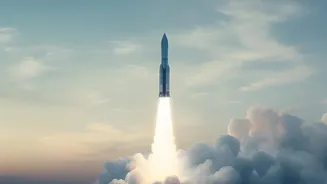
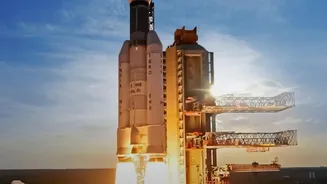
As India's ambitions grew, so did the need for a more powerful rocket. Enter the Launch Vehicle Mark-III (LVM3), ISRO’s heavy-lift champion. The LVM3 is a three-stage rocket capable of launching communication satellites weighing up to four tonnes and heavier payloads into Low Earth Orbit. It was the LVM3 that successfully launched the Chandrayaan-3 mission, cementing its reliability. Crucially, a human-rated version of the LVM3 is the designated vehicle for the Gaganyaan mission, India's flagship programme to send astronauts into space. Each successful flight of the LVM3 not only deploys satellites but also builds confidence in the vehicle that will soon carry Indian astronauts.
India’s Place in the Global Arena
In a field dominated by giants like NASA's Space Launch System (SLS) and SpaceX's partially reusable Falcon 9, India has carved out a unique niche. While rockets like the SLS are built for sheer power to send heavy payloads to the Moon, and the Falcon 9 has revolutionised the market with its reusable boosters, ISRO's strength lies in frugal and reliable engineering. The PSLV and LVM3 are celebrated for their cost-effectiveness, making space access more affordable for both domestic use and international clients. Rather than competing on raw power, ISRO's launch vehicles offer a different value proposition: dependable, on-time delivery to orbit without the astronomical price tag, a model that has proven highly successful.
The Future is Reusable
The next great leap in rocketry is reusability, an area where India is making steady progress. ISRO is actively developing its Reusable Launch Vehicle Technology Demonstrator (RLV-TD), a winged vehicle nicknamed 'Pushpak'. This programme is designed to master the complex technologies required for a vehicle to fly back from space and land autonomously on a runway, similar to an aircraft. While still in the experimental phase, the RLV programme is a critical step towards developing a two-stage orbital launch vehicle that could dramatically slash launch costs. Alongside this, ISRO is also working on a next-generation launch vehicle (NGLV) and advanced semi-cryogenic engines, signalling a clear roadmap to keep India at the forefront of the ongoing rocket revolution.