





A Paradise Under Pressure
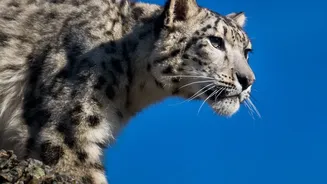
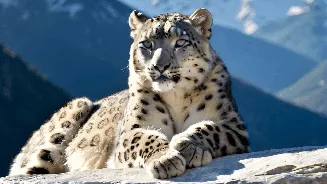
Ladakh is more than just a picturesque landscape; it is a high-altitude cold desert with a delicate ecological balance. This region is a crucial habitat for rare and endangered species, including the elusive snow leopard, the Himalayan brown bear, and the black-necked
crane, which has its only breeding ground in India here. The area’s wildlife sanctuaries, such as Hemis National Park and Changthang Wildlife Sanctuary, are vital biodiversity hotspots. However, the explosion in tourism over the last two decades has put this fragile environment under severe stress. From just over 500 tourists in 1974, the number swelled to over 500,000 by 2023, surpassing the region's local population. This influx, while boosting the local economy, has led to significant environmental degradation.
The High Cost of a Footprint
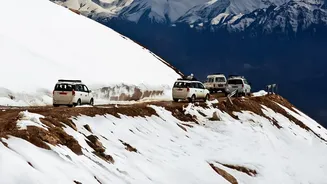
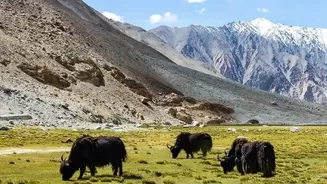
Unregulated tourism has left a visible scar on Ladakh. A primary concern is the massive increase in waste, particularly single-use plastics. Leh alone generates an estimated 16 tonnes of waste per day during the peak season, much of which ends up in open landfills that were once pasture lands. This waste pollutes the land and water, and the rise in feral dogs, fed by garbage, poses a direct threat to native wildlife like the eggs of the black-necked crane. Beyond waste, the demand for tourist infrastructure like hotels and guesthouses has led to a construction boom, straining scarce water resources. Wildlife behaviour is also changing; animals like marmots are becoming dependent on food from tourists, and irresponsible off-roading in vehicles disturbs habitats and compacts fragile soil that takes centuries to form.
A Blueprint for Sustainable Tourism
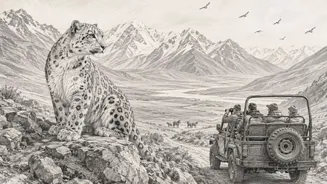
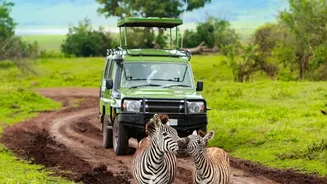
In response to these growing threats, Ladakh's administration is introducing measures aimed at creating a more sustainable tourism model. A key part of this strategy is the launch of India’s first high-altitude wildlife safari, announced in August 2026. This initiative, steered by the newly formed SHAN (Snow Leopard and High-Altitude Nature) Conservation Society, aims to regulate wildlife viewing through guided jeep safaris on designated trails in areas like Hemis National Park and the Changthang sanctuary. The goal is to curb illegal off-roading that damages the landscape and disturbs animals, while providing a safer, more informative experience for visitors. The plan also emphasizes making local communities direct partners and beneficiaries, training local youth as guides and promoting a sense of custodianship over their environment.
Empowering Locals, Managing Growth
The new framework extends beyond wildlife safaris. It includes a comprehensive roadmap for community-led conservation, waste management, and the promotion of plastic-free tourism. Plans are in place to install hundreds of waste bins in villages and establish wildlife clubs in schools to foster environmental awareness from a young age. At the same time, administrative reforms in April 2026 simplified the registration process for tour operators and hotels to promote ease of doing business for local entrepreneurs. However, this has also sparked concern among local stakeholders. There is a growing demand to make the Ladakh Resident Certificate (LRC) mandatory for tourism business registrations to prevent large, external companies from dominating the sector and to ensure that economic benefits remain within the community.
The Delicate Path Forward
The success of Ladakh's new wildlife and tourism plan hinges on effective implementation and enforcement. It represents a critical effort to pivot from high-volume, low-impact tourism to a model that values quality over quantity, rebranding Ladakh as a premier eco-tourism destination. The challenge lies in balancing the deregulation designed to help local businesses with the strict regulations needed for conservation. Initiatives like the guided safaris and community-led waste management are promising steps. They seek to ensure that the snow leopards of Hemis and the cranes of Changthang can thrive alongside a tourism economy that supports, rather than subverts, the local way of life and the fragile alpine environment.