

The Watery Chutney Dilemma
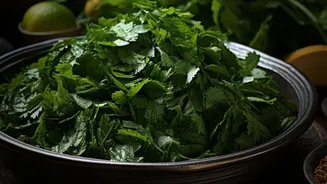
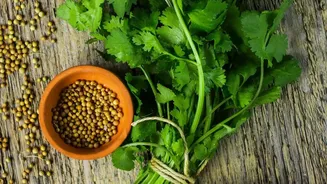
You’ve gathered your fresh coriander, mint, chillies, and lemon juice. You blend them into a beautiful, bright green paste, only to watch it separate into a layer of water and a layer of herb pulp minutes later. This happens because the water from the herbs
and lemon juice doesn't properly emulsify with the solid ingredients. The result is a thin, inconsistent texture that can make sandwiches soggy and is less than ideal for dipping. To get that thick, restaurant-style consistency, you need an ingredient that can bind everything together. Adding a thickening agent helps to create a stable emulsion, ensuring your chutney stays smooth and cohesive.
Why Peanuts Are the Perfect Solution
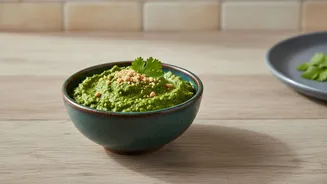
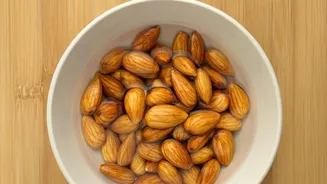
This is where peanuts come in. They are a powerhouse of healthy fats and proteins, which are excellent at creating and holding an emulsion. When blended, the natural oils from the peanuts help bind the water and the herbs, resulting in a chutney with a rich, creamy body that doesn't separate. Peanuts essentially act as a stabilizer, preventing the chutney from becoming watery over time. Beyond texture, they add a subtle, nutty flavour that beautifully balances the sharpness of the herbs and the tang of the lemon, creating a more complex and satisfying taste profile.
A Practical Guide to Using Peanuts
Incorporating peanuts into your chutney is simple. For about two cups of packed herbs, a quarter-cup of peanuts is a good starting point. You can use them raw, but lightly roasting them first deepens their nutty flavour and helps release their natural oils, leading to an even creamier result. You can do this in a dry pan over low heat for a few minutes or even in the microwave for a minute or two. Some cooks also prefer to soak the peanuts for a few hours to soften them, which also helps in achieving a smoother paste. Add the peanuts to the blender along with all your other ingredients and blend until completely smooth, adding water little by little until you reach your desired consistency. The peanuts will grind down and seamlessly integrate, leaving you with a thick, luscious chutney.
A Traditional Indian Kitchen Secret
Using peanuts in chutney is not a modern hack; it’s a well-established practice in many parts of India. In South Indian cuisines, particularly from Andhra Pradesh and Tamil Nadu, groundnut chutney is a staple served with idli and dosa. Similarly, in Maharashtrian cooking, roasted peanut powder is a common ingredient used to thicken gravies and chutneys. By adding peanuts to your coriander and mint chutney, you’re tapping into a traditional technique that has been perfected over generations to deliver superior taste and texture. This time-tested method proves that sometimes the simplest ingredients have the biggest impact.
Alternatives and Considerations
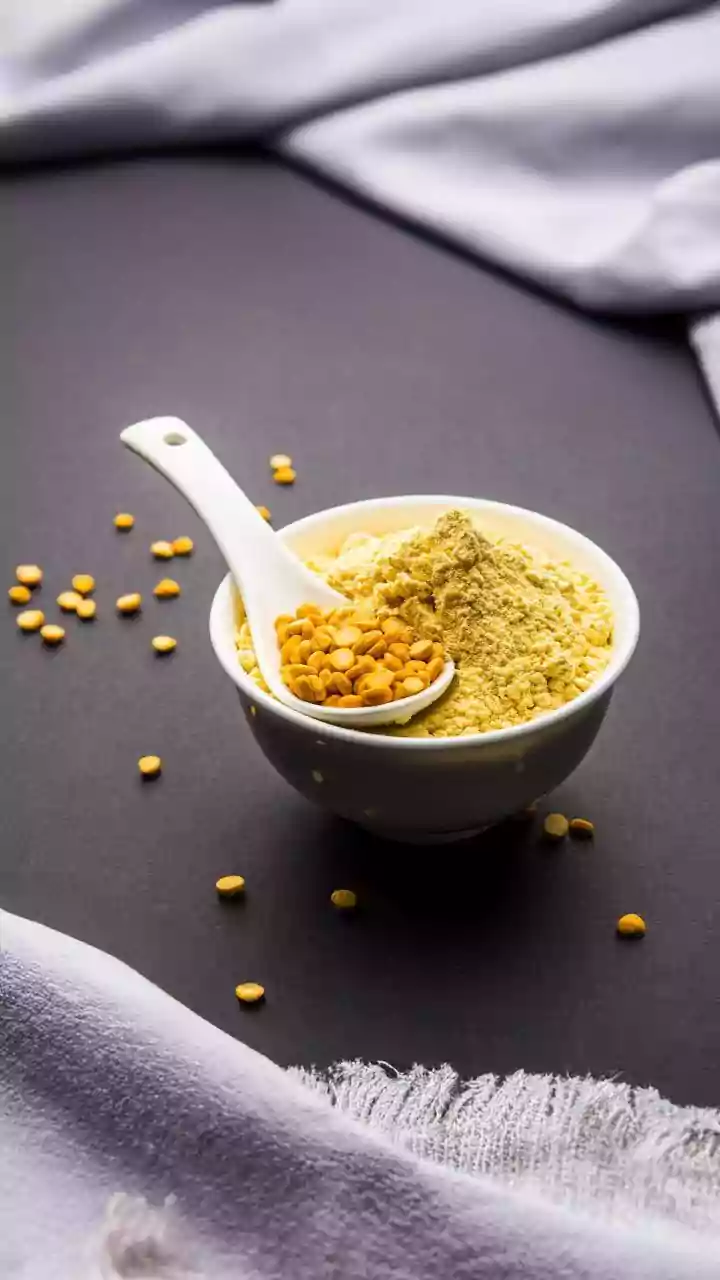
Of course, peanut allergies are a serious concern. If you can't use peanuts, there are several other excellent thickeners. Roasted gram (dalia or bhuna chana) is a very popular alternative that also adds a nutty flavour and thickens the chutney effectively. Desiccated or fresh coconut is another classic choice, especially in South Indian-style chutneys, lending a creamy texture and a hint of sweetness. For a different flavour profile, some recipes even call for a small amount of yogurt to add creaminess and tang. Each of these alternatives will slightly alter the final taste, giving you a chance to experiment and find the perfect combination for your palate.