


More Than a Meal: The Soul of Bhog
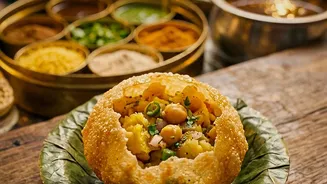
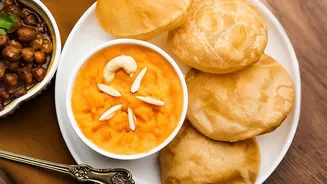
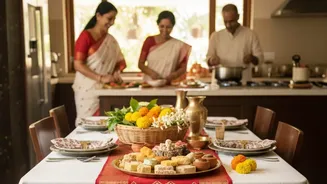
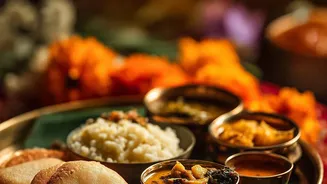
During Durga Puja, 'bhog' refers to the food offered to the goddess before being distributed to devotees as 'prasad'. This act of sharing food is central to the festival's spirit, erasing social boundaries and uniting everyone in a communal feast. The
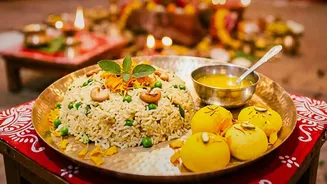
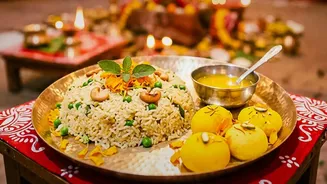
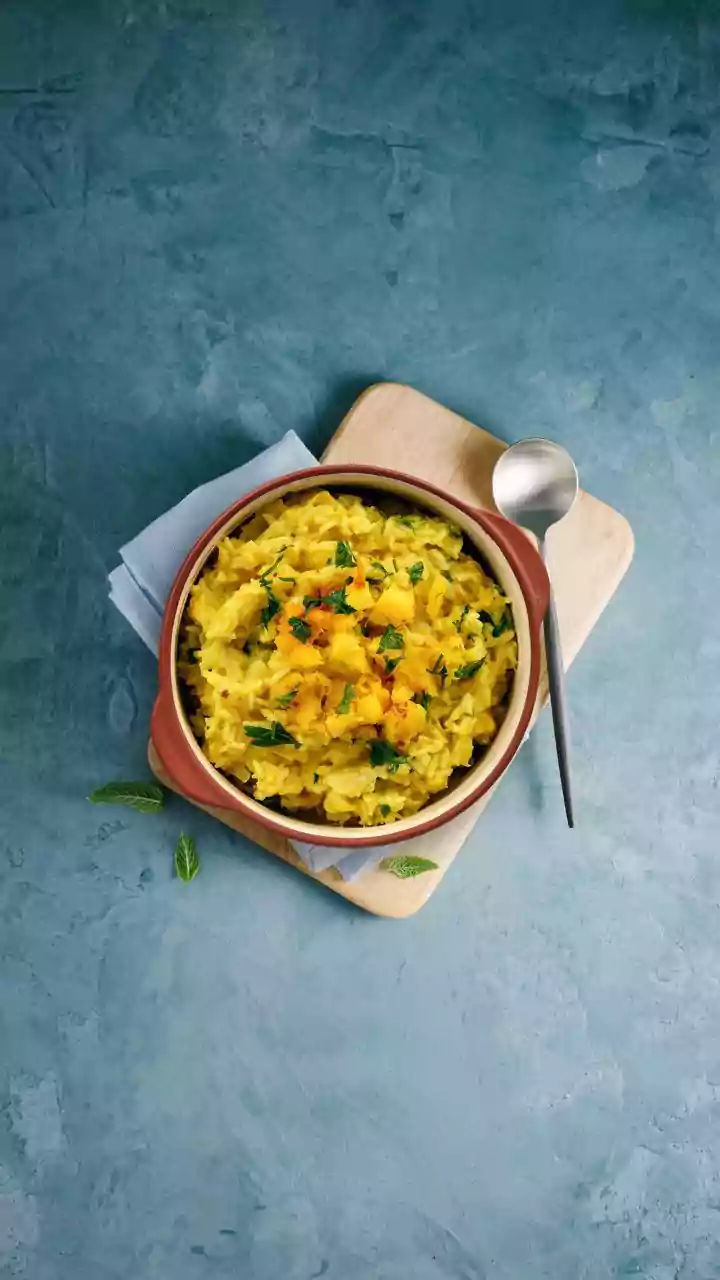
bustling pandals, with long rows of people sharing a meal, embody this sense of togetherness. While the elaborate platters can feature a variety of items, the golden, fragrant khichuri is the undisputed star, a taste synonymous with the festive afternoons of Ashtami and Navami.
Why Khichuri Is the Chosen Offering
Khichuri's prominence in bhog is rooted in its simplicity and purity. Made without onions or garlic, this 'niramish' preparation is considered sattvik—light, wholesome, and suitable for a divine offering. It represents gratitude for the harvest, combining newly harvested rice and lentils. This humble, one-pot dish symbolises a return to the essentials amidst the grandeur of the festival, reflecting the egalitarian spirit where a simple meal is shared by all. The act of cooking rice, dal, and vegetables together until they merge into a harmonious whole is a metaphor for the community coming together as one.
What Makes Puja Khichuri Special
While khichuri is a staple across India, the Bengali bhoger khichuri has a distinct character. The magic lies in a few key details. First is the use of Gobindobhog rice, a short-grained, aromatic variety that lends a unique fragrance and sweetness. Second is the crucial step of dry-roasting the moong dal until it turns golden and releases a nutty aroma. This single step fundamentally changes the flavour profile of the dish. Finally, a generous amount of ghee and a careful blend of whole spices like cinnamon, cardamom, and cloves, along with ginger, create a warmth and richness that elevate it from an everyday meal to a festive delicacy.
Ingredients You Will Need
This recipe serves 4-6 people. The key is using the right rice and roasting the dal. For the Khichuri: - 1 cup Gobindobhog rice (or any short-grain aromatic rice) - 1 cup yellow moong dal - 1 large potato, cubed - 1 small cauliflower, cut into florets - ½ cup green peas - 1 tablespoon grated ginger - 1 chopped tomato - 2 bay leaves - 2 dried red chillies - 1 tsp cumin seeds - 2-3 green cardamoms, 2-3 cloves, 1-inch cinnamon stick - 1 tsp turmeric powder - 1 tsp cumin powder - Salt and a pinch of sugar to taste - 4 tablespoons ghee - 1 tablespoon mustard oil - About 8 cups of hot water
The Step-by-Step Method
1. Prepare the Dal and Rice: In a heavy-bottomed pan, dry-roast the moong dal on low heat until it becomes fragrant and turns a light golden brown. Remove from heat, wash it lightly along with the rice, and drain. Set aside. 2. Fry the Vegetables: Heat the mustard oil and 1 tablespoon of ghee in a large pot or kadhai. Lightly fry the cauliflower florets and potato cubes with a pinch of salt and turmeric until they are golden. Remove them and keep aside. 3. Temper the Spices: In the same pot, add the remaining ghee. Once warm, add the bay leaves, dried red chillies, cumin seeds, and the whole garam masala (cinnamon, cardamom, cloves). Let them splutter for a few seconds to release their aroma. 4. Cook the Khichuri: Add the grated ginger and chopped tomato, and sauté for a minute. Add the turmeric and cumin powder, followed by the washed rice and dal mixture. Stir gently for about two minutes. Pour in the hot water, add salt and green chillies, and bring to a simmer. Cover and cook on medium-low heat. 5. Combine and Finish: When the dal is about half-cooked, add the fried potatoes, cauliflower, and green peas. Continue to cook, stirring occasionally, until the rice and dal are soft and have reached a thick, porridge-like consistency. Add more hot water if it becomes too dry. Finally, add a pinch of sugar to balance the flavours and finish with an extra spoonful of ghee before serving.