







The Anatomy of a Modern Visa Scam
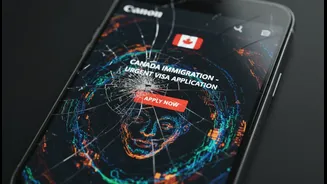
Visa scams are becoming more sophisticated. They often begin with an unsolicited message via SMS, WhatsApp, or other social media platforms. These messages might claim to be from immigration officials or legal practitioners, promising expedited visa processing
or guaranteed approval. The link will direct you to a website designed to look exactly like an official government portal, complete with logos and flags to appear trustworthy. These fake sites are created to harvest your personal information—passport details, financial data—and trick you into paying exorbitant fees for a service that doesn't exist. Scammers often use a sense of urgency, inventing deadlines or spreading alarmist information to rush you into making a mistake before you can think critically.
Key Red Flags to Watch For
Protecting yourself starts with knowing what to look for. Be highly suspicious of any unsolicited contact regarding visas. Official embassies and consulates will not contact you out of the blue on WhatsApp to offer a visa. Another major red flag is any promise of a guaranteed visa or an unusually fast approval timeline, often for an extra fee; legitimate visa decisions are made exclusively by consular officers and cannot be guaranteed by anyone. Scammers will often pressure you for immediate payment and may demand it through untraceable methods like wire transfers, personal UPI IDs, or cryptocurrency, which official channels never use. Finally, look closely at website URLs. Official Indian government websites end in ".gov.in", and other official government sites typically end in ".gov". Any other ending, like ".org" or ".com", should be considered unofficial and potentially fraudulent.
The Only Safe Way to Apply for a Visa
The safest and only recommended way to apply for a visa is to go directly to the official source. Start by visiting the website of the embassy or consulate of the country you plan to visit. These official sites provide the correct procedures, required documentation, and authentic links to visa application portals. For Indian e-visas, the only official website is indianvisaonline.gov.in. Any other site is unauthorised. Application forms on official government websites are typically free; be wary of any site that asks for payment just to download a form. Always use the secure payment gateways provided within the official portal. Never trust a third-party agent or website that promises to speed up the process for an additional fee, as this is a common tactic used in scams.
What to Do If You Receive a Suspicious Message
If you receive an unexpected message with a visa link, the instructions are simple: do not click on it. Do not engage with the sender. Clicking the link can expose you to malware or lead you to a phishing site designed to steal your information. The best course of action is to block the number immediately and delete the message. You can report the number within your messaging app. It is also helpful to warn friends and family, as these scams are often sent out widely. Taking these steps helps protect not only yourself but also others in your community who might be targeted by the same fraudulent scheme.
Steps to Take If You've Been Scammed
If you suspect you have fallen victim to a visa scam, it is crucial to act quickly. First, if you have shared any banking information or made a payment, contact your bank or credit card company immediately to report the fraud and block any further transactions. Next, file an official complaint. In India, you can report cybercrime through the National Cyber Crime Reporting Portal at cybercrime.gov.in or by calling the helpline number 1930. It is also recommended to file a First Information Report (FIR) at your local police station. You can also report visa-specific fraud to the respective embassy. For example, the U.S. Embassy in India provides email addresses for reporting such incidents. Providing as much detail as possible, including screenshots of messages and website links, can aid in the investigation.