






A New Breed of Factory Worker
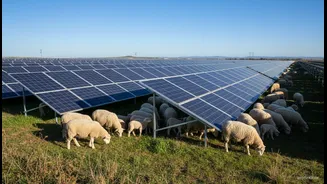
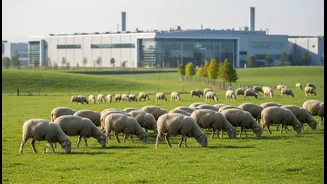
In a surprising move that blends heavy industry with agriculture, Volkswagen has employed a flock of 100 sheep to maintain the grounds at its factory in Poznań, Poland. These woolly workers are tasked with grazing the large green spaces beneath a massive
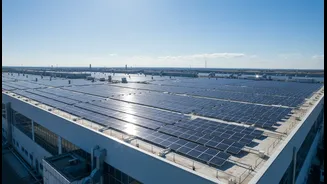
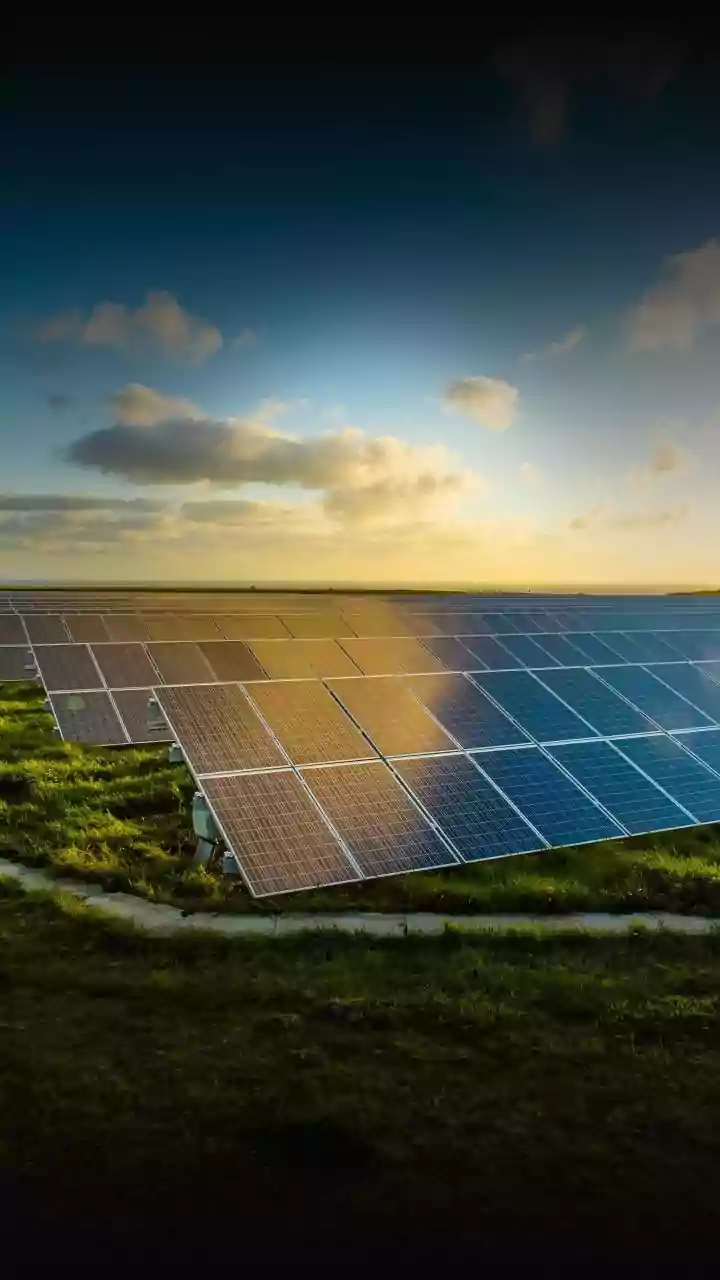
solar farm that helps power the plant. The facility, which features over 31,000 solar panels, produces vehicles like the VW e-Crafter commercial van. Rather than relying on a fleet of conventional, fossil-fuel-powered lawnmowers, the company has turned to this natural solution as part of a broader push for sustainability and cost-efficiency. The project is also a scientific endeavor, conducted in partnership with researchers from the Poznań University of Life Sciences, to study the real-world effects of combining renewable energy production with agriculture.
More Than Just Cutting Grass
The benefits of using sheep go far beyond a neatly trimmed landscape. The most immediate advantage is the elimination of emissions and noise from traditional mowing equipment. This simple swap contributes directly to lowering the factory's carbon footprint. Furthermore, the sheep provide natural soil maintenance. Their grazing and trampling patterns help reduce soil erosion, while their manure acts as a natural fertilizer, enriching the ground without the need for chemical additives. This approach turns what would be a routine cost center—landscaping—into a regenerative activity. The sheep work quietly and efficiently, and according to their caretakers, they have adapted calmly to their unusual industrial home, a sign they feel safe among the solar arrays.
The Science of 'Agrivoltaics'
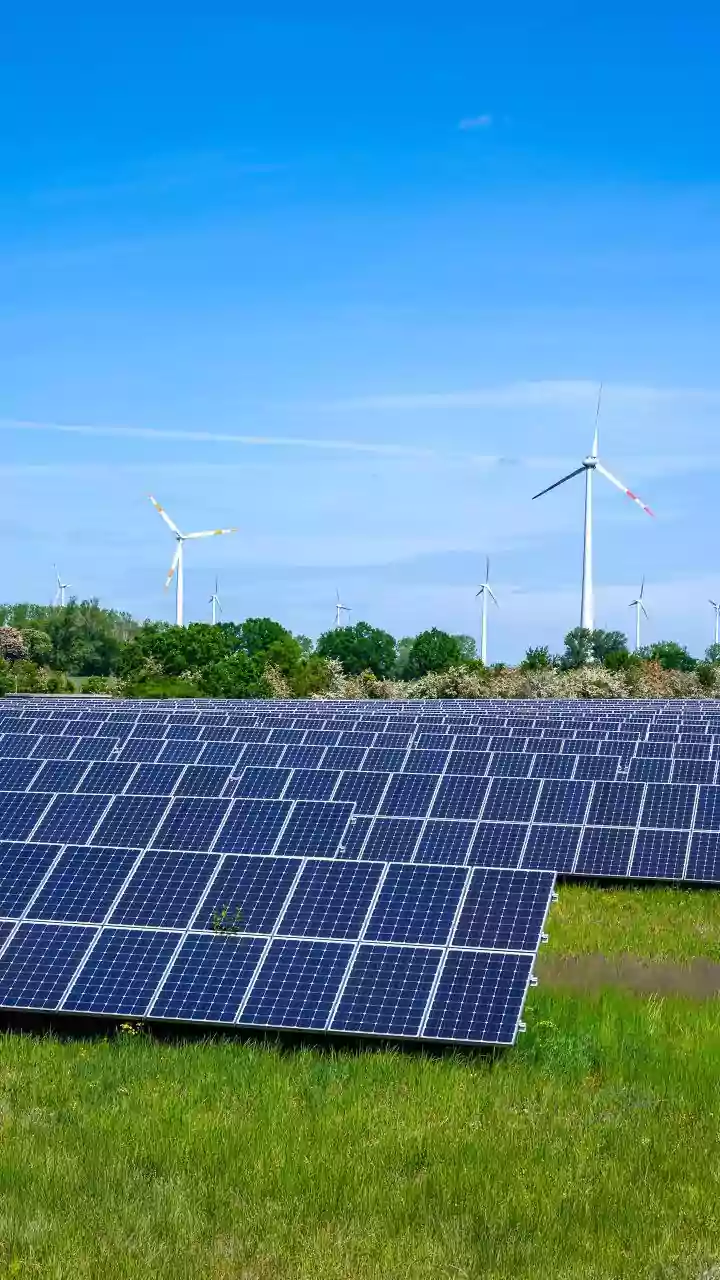
This practice has a name: agrivoltaics. The term describes the dual use of land for both solar energy generation and agriculture. It's a concept gaining popularity worldwide as a way to maximize land utility without having to choose between farming and clean energy. The relationship is symbiotic. The sheep prevent vegetation from growing tall and casting shadows on the solar panels, which would reduce their efficiency. In return, the vast arrays of panels offer the animals shelter from harsh sun and rain, creating a more comfortable environment. This integrated system demonstrates that industrial facilities can operate in greater harmony with nature, creating a mosaic of technology and biology.
A Boost for Local Biodiversity
Beyond the operational efficiencies, conservation grazing has a profound positive impact on the local ecosystem. By replacing uniform mechanical cutting, the sheeps' selective grazing patterns allow a wider variety of native plant species to flourish. This, in turn, creates a richer and more resilient habitat for insects, birds, and other local wildlife, effectively turning the factory grounds into a small nature reserve. Scientific studies on conservation grazing confirm that when managed correctly, it can significantly enhance biodiversity and improve soil health. The Volkswagen project in Poland is being closely monitored to quantify these benefits, tracking changes in biodiversity, soil quality, and even the local microclimate to build a case for wider adoption.
A Model for Modern Industry?
This isn't Volkswagen's first foray into four-legged landscaping; the company has used sheep at its plant in Chattanooga, USA, for years. However, the scale and scientific rigor of the Polish project highlight a growing trend. Companies with large land holdings, particularly in the renewable energy sector, are increasingly recognizing grazing as a smart, multi-faceted solution. For Indian industries, which often operate on vast campuses and are under pressure to adopt more sustainable practices, this model presents a compelling opportunity. It offers a clear win-win: a reduction in operational costs and carbon emissions, coupled with an improvement in land health and a positive story of corporate responsibility. It proves that sometimes the most innovative solutions are also the most ancient ones.