







In a world focused on high-intensity workouts, the gentle call of nature offers a refreshing alternative. Embracing green spaces and hiking trails provides a measured, sustainable path to fitness that nurtures both body and mind.
The Dual Benefits of Nature's Gym
Hiking is more than just
a walk in the park; it's a comprehensive workout disguised as leisure. Physically, it improves cardiovascular health, strengthens muscles and bones, and aids in weight management. The varied terrain of a nature trail challenges your body more than a flat pavement, engaging your core and improving balance and stability. Psychologically, the rewards are just as significant. Spending time in green spaces is scientifically linked to reduced stress, anxiety, and depression. Studies show that being in a natural environment can lower levels of the stress hormone cortisol, boost mood, and enhance cognitive function. It provides a restorative break from the overstimulation of urban life, allowing for mental restoration and increased positive emotions.
Starting Your Measured Fitness Journey
A 'measured approach' means starting slow and prioritising consistency over intensity. If you're new to hiking, begin with shorter, flatter trails and gradually increase the distance and elevation as your fitness improves. The goal is to build a habit, not to exhaust yourself. Aim for a pace where you are slightly out of breath but can still hold a conversation. Listen to your body; soreness is normal, but pain is a signal to rest. Don't feel pressured to conquer a mountain on your first outing. Choosing a manageable trail will build your confidence and make you want to return. Many apps and websites can help you find local trails rated by difficulty, allowing you to pick one that matches your current fitness level.
Gearing Up Smartly and Safely
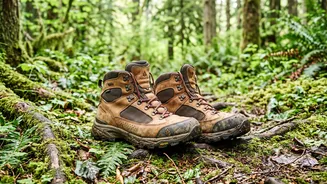
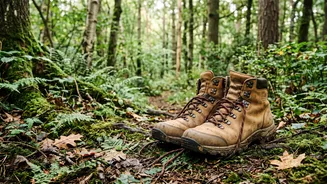
You don't need a lot of expensive gear to start enjoying nature trails, but a few key items are essential for comfort and safety. The most important investment is a good pair of hiking shoes that provide adequate support and traction. Beyond footwear, focus on the essentials: a small backpack to carry water, snacks, a basic first-aid kit, and an extra layer of clothing. Sun protection, like a hat and sunscreen, is also crucial. As you take on longer or more remote hikes, you can consider adding items like a map or GPS device and a headlamp. The key is to be prepared without being weighed down, especially as a beginner.
Making Hiking a Sustainable Habit
The key to long term fitness is finding an activity you genuinely enjoy. To make hiking a regular part of your life, schedule it in your calendar like any other important appointment. Find local parks or trails that are easy to access, reducing the friction of getting started. Hiking with friends or family can also provide motivation and a sense of connection. To keep things interesting, explore different trails and celebrate your progress, whether it's hiking a longer distance or tackling a steeper hill. You can supplement your trail time with strength exercises like squats and lunges to build leg and core strength, which will make climbing and descending easier and reduce the risk of injury. Remember, every step on the trail is a step toward better health, so look up, enjoy the scenery, and embrace the journey.