

From Andhra with Love: What is Pesarattu?
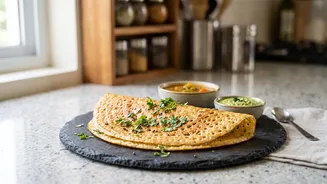
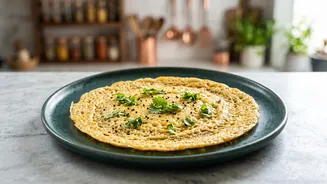
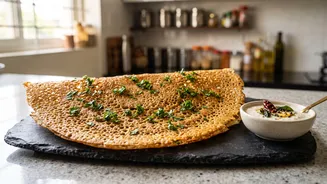
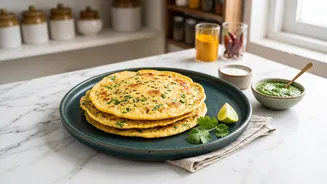
Moong Dal Dosa, known traditionally as Pesarattu, is a savoury crepe that hails from the coastal regions of Andhra Pradesh. Its name is a simple combination of two Telugu words: 'pesara', which means green gram (moong), and 'attu', meaning dosa or crepe.
Unlike the more common dosas made from a fermented batter of rice and urad dal, Pesarattu is made by grinding whole green moong beans. This batter, typically spiced with ginger, green chillies, and cumin seeds, requires no fermentation, making it a quick and convenient option for a nutritious meal any time of day. This fundamental difference gives it a distinct, earthy flavour and a beautiful green hue.
A Nutritional Powerhouse
The place of Moong Dal Dosa in a healthy diet is undeniable. It is packed with plant-based protein, with raw moong dal containing about 24 grams of protein per 100 grams. This makes it an excellent meal for muscle repair and sustained energy. The dosa is also rich in dietary fibre, which aids digestion, promotes gut health, and keeps you feeling full for longer, assisting in weight management. Furthermore, it has a low glycaemic index, which helps in maintaining steady blood sugar levels, making it a suitable choice for those managing diabetes. It is also a great source of essential minerals like potassium, magnesium, iron, and folate.
Crafting the Perfect Moong Dal Dosa
Making Pesarattu at home is surprisingly straightforward. The first step is to rinse and soak one cup of whole green moong dal in water for at least four to six hours. Some recipes suggest adding a tablespoon or two of rice during soaking to achieve a crispier texture. Once soaked, drain the dal and transfer it to a blender. Add about an inch of ginger, one or two green chillies, a teaspoon of cumin seeds, and salt to taste. Blend everything into a smooth, thick batter, adding water sparingly to reach a pourable consistency similar to regular dosa batter. The batter is now ready to use immediately.
Cooking Tips for Crisp Crepes
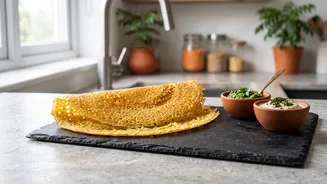
To cook the dosa, heat a nonstick or cast iron tawa over medium heat. Once hot, you can lightly grease it with oil or ghee. Pour a ladleful of the batter onto the centre of the tawa and spread it outwards in a circular motion to form a thin crepe. You can sprinkle finely chopped onions and coriander on top for added flavour and texture. Drizzle a little oil or ghee around the edges and on top, and cook until the base turns golden brown and crispy. Since the crepe is thin, it often doesn't need to be flipped, but you can if you prefer. Fold it over and serve hot.
Serving Styles and Variations
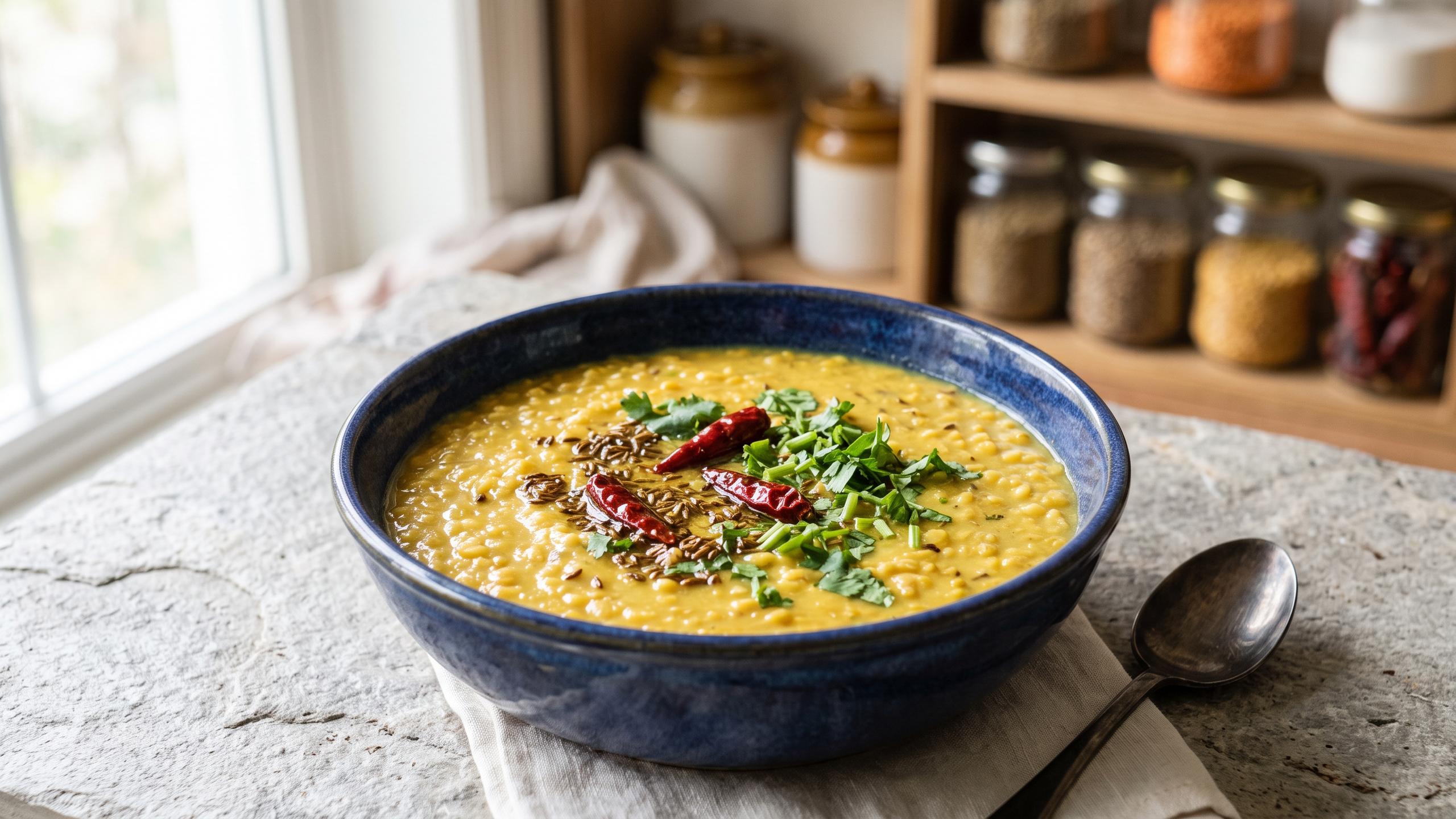
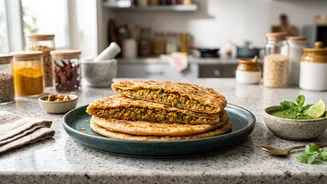
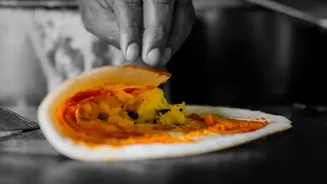
Traditionally, Pesarattu is served with a spicy ginger chutney called 'Allam Pachadi'. It also pairs wonderfully with coconut chutney or sambar. For a more filling meal, you can turn it into 'MLA Pesarattu', a popular variation where the dosa is stuffed with a savoury semolina preparation called upma. This version is said to have originated in the canteens of the Member of Legislative Assembly quarters in Hyderabad. You can also get creative by adding other fillings, like paneer or mixed vegetables, to make it your own.