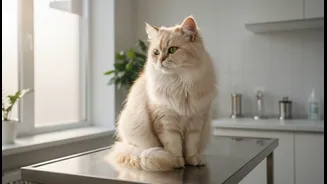



Why the Waiting Room Is So Stressful
A veterinary clinic is a whirlwind of intense sensory information for an animal. Unfamiliar smells of disinfectants and other stressed pets, the sounds of barking dogs or crying cats, and the sight of new people and animals can be incredibly overwhelming.
This flood of stimuli can lead to what animal behaviorists call “trigger stacking,” where multiple stressors build on top of each other until the pet’s anxiety boils over. A busy, noisy waiting room is a primary contributor to this phenomenon. By the time your pet even gets to the exam room, they may already be in a state of high alert, making a thorough and calm examination difficult for the vet and traumatic for your companion.
How to Find That Golden Quiet Slot
One of the most effective and simplest strategies is to be strategic with your scheduling. Many clinics have predictable ebbs and flows in traffic. The first appointment of the morning is often one of the quietest times, as the waiting room hasn't filled up yet. Similarly, the first slot after the lunch break can be a calm period. Mid-week days like Tuesdays and Wednesdays also tend to be less busy than Mondays or Fridays, when people are trying to squeeze in appointments before or after the weekend. Don't hesitate to ask the receptionist directly. Simply explaining that you have a nervous pet and would like to book the quietest possible time can make a world of difference. Some practices may even offer to let you wait in your car and come straight into an exam room when it's ready, bypassing the waiting area altogether.
Preparation Begins Before the Appointment
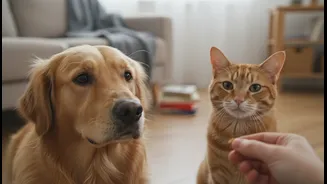
Your strategy for a low-stress visit should start well before the day of the appointment. For cats, leave the carrier out in your home for several days, turning it into a familiar piece of furniture rather than a signal of an impending trip. For all pets, practicing gentle handling at home can make the vet’s physical exam feel less foreign. Touch their paws, look in their ears, and lift their lips to check their teeth, all while offering praise and high-value treats. Another powerful tool is the “happy visit.” Call your clinic and arrange to pop in for a few minutes just to get some treats and praise from the staff, without any examination or procedures. This helps build a positive association with the building and the people inside.
On the Day: Your Role as Your Pet's Advocate
On the day of the visit, your own calm demeanor is crucial, as pets are experts at picking up on their owner's anxiety. Speak in a soothing, confident voice. Bring along your pet’s favorite high-value treats—something they absolutely love and only get on special occasions—to use as a distraction and reward. A favorite toy or a blanket with the scent of home can also provide a sense of security in the unfamiliar environment. During the examination, don't be afraid to speak up for your pet. Let the veterinary team know what makes your pet anxious and what helps them feel calm. If your pet's stress levels are escalating, it is okay to ask for a momentary pause or a different approach. For some pets with severe anxiety, a veterinarian may prescribe medication to be given at home before the visit to help take the edge off.
Consider a Fear-Free Certified Practice
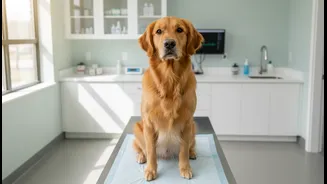
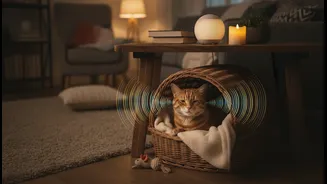
A growing movement in veterinary medicine is the Fear Free approach, where veterinary professionals undergo specific training to reduce fear, anxiety, and stress in their patients. These certified practices often use modified environments, such as non-slip mats on exam tables, calming pheromone diffusers, and quieter spaces. They are trained in low-stress handling techniques that avoid forceful restraint, instead using cooperation and distraction. Choosing a Fear Free certified veterinarian can be transformative for a nervous pet, as the entire team is dedicated to protecting your pet’s emotional well-being alongside their physical health. This not only makes for a better experience but can also lead to more accurate exams, as a relaxed pet is less likely to hide signs of pain.