




The Californian Connection
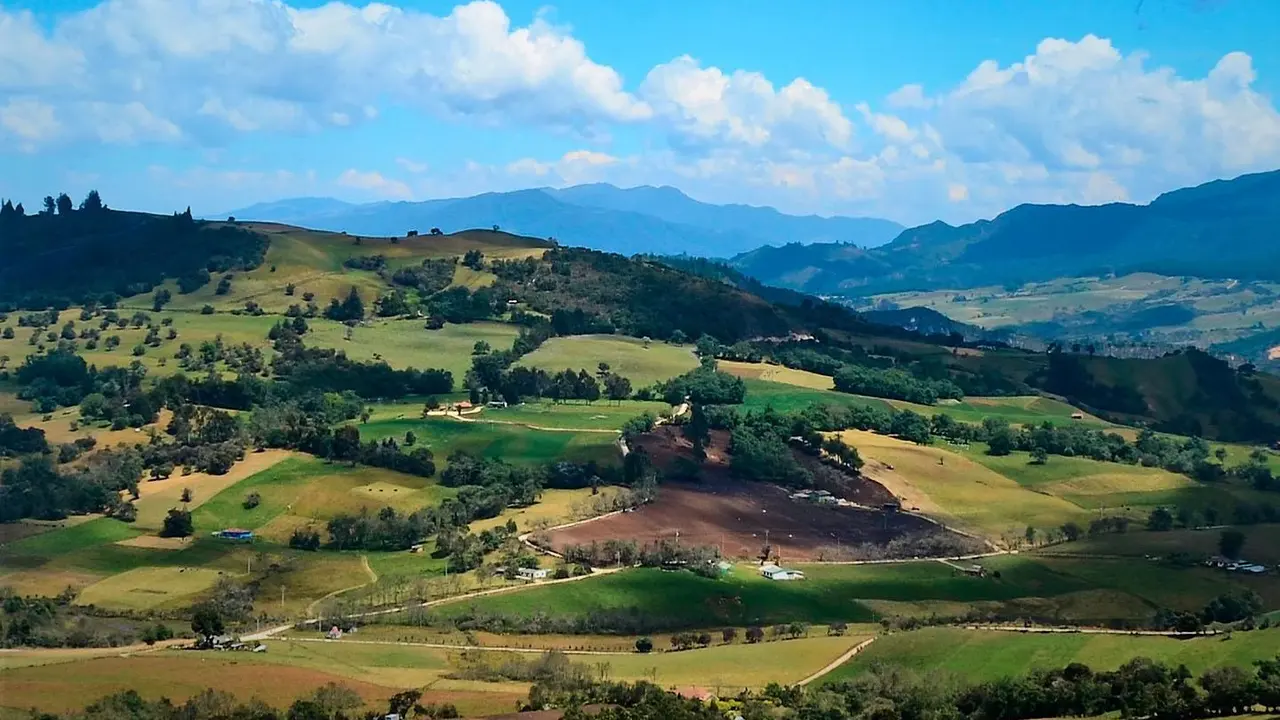
The story of strawberries in India begins in the colonial era, when British officers first introduced the fruit to the hills of Mahabaleshwar, finding the climate similar to England's. This region, with its cool temperatures and red laterite soil, proved
to be an ideal home, eventually accounting for about 85% of India's total strawberry production and earning a Geographical Indication (GI) tag in 2010. For most of modern cultivation history, however, Indian farmers were heavily dependent on foreign planting material. The revolution in the 1990s that solidified Mahabaleshwar's dominance came from importing varieties like 'Chandler' from California. These foreign cultivars, including Sweet Charlie, Camarosa, and Winter Dawn, became the backbone of the industry, with mother saplings often imported each year.
The Challenges of Foreign Roots
This reliance on imported varieties came with significant drawbacks. Farmers faced high costs for planting materials, including royalties paid to foreign breeding programs. These plants, developed for different climatic zones in the US and Europe, were not always perfectly suited to India's diverse agro-climatic conditions. They often required intensive management and were sometimes more susceptible to local pests and diseases. The dependency created a cycle that affected profitability and the resilience of the supply chain, limiting the expansion of strawberry cultivation beyond traditional cool-climate belts into the country's warmer plains. It was clear that for India to achieve true self-sufficiency and expand its strawberry footprint, it needed to develop its own solutions.
A Berry Big Breakthrough
Recognizing this strategic need, Indian agricultural research institutions began a focused push to breed local strawberry varieties. Spearheaded by organisations like the Indian Council of Agricultural Research (ICAR), scientists set out to develop cultivars specifically adapted to Indian conditions. The goal was multifaceted: create plants that could offer higher yields, show greater resistance to local diseases, and tolerate a wider range of temperatures, particularly the heat of the subtropical plains. This move was about more than just fruit; it represented a national ambition to gain control over the genetic resources that form the foundation of the industry and to empower small and marginal farmers who dominate Indian horticulture.
Meet India's Homegrown Cultivars
The efforts have started bearing fruit, quite literally. While information on specific, widely commercialized public varieties is still emerging, research institutes are evaluating and releasing new options tailored for the nation's farmers. These Indian-bred or locally adapted varieties are designed to thrive in non-traditional growing areas, potentially expanding cultivation into states like Punjab, Haryana, and even Mizoram. The advantages are clear: they promise better performance in local climates, reducing the risk of crop failure. For example, the development of day-neutral cultivars has been crucial in making cultivation viable in subtropical regions. By using locally developed plants, farmers can lower their initial investment, eliminate dependency on foreign suppliers, and cultivate strawberries that are robust and productive in their specific environment.
The Sweet Taste of Self-Reliance
The transition from imported runners to locally bred varieties marks a significant milestone in Indian agriculture. For farmers, it means lower input costs, higher profit margins, and greater stability. For the country, it signifies a move towards agricultural self-reliance and enhances its position in the global fruit market. With robust domestic varieties, strawberry farming is no longer confined to a few hilly pockets. It is now a viable and profitable venture for farmers in diverse regions, contributing to rural employment and economic diversification. This innovation allows India not just to meet its growing domestic demand but also to eye a larger share of the export market, transforming from a technology importer to a horticultural innovator.