


The Ancient Superfood Explained
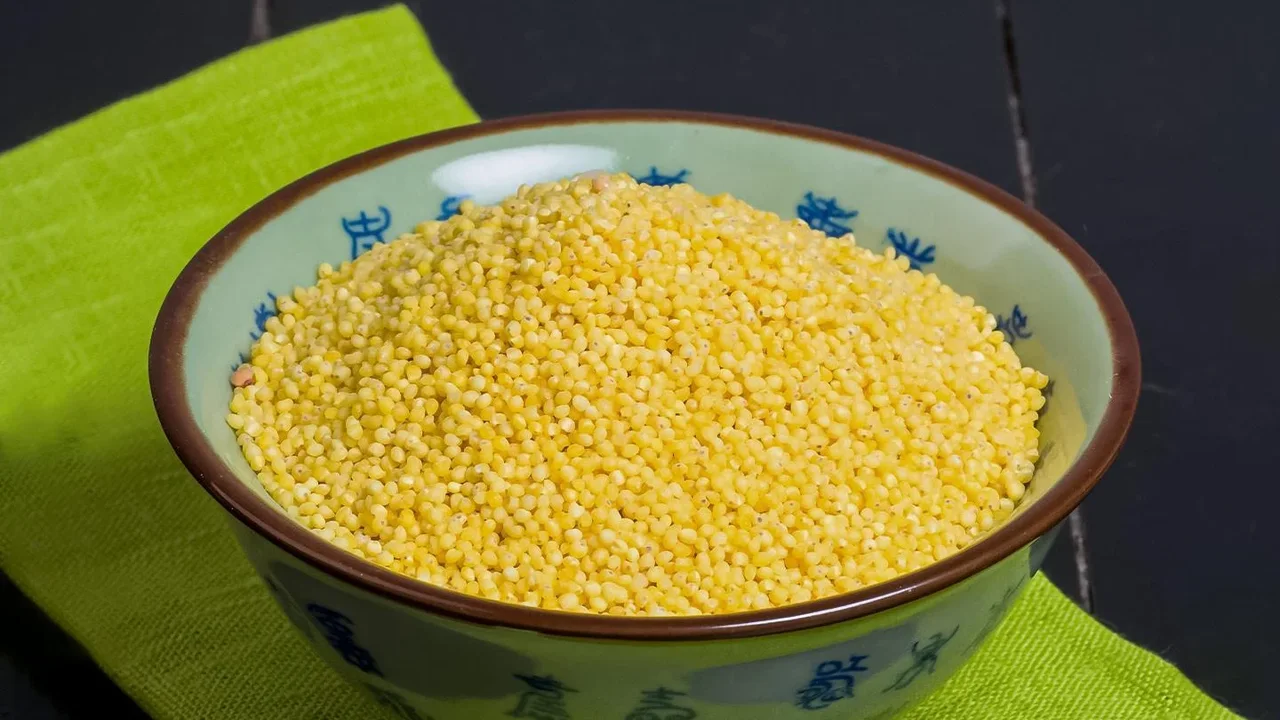
Ragi, also known as finger millet or nachni, is an ancient grain that has been a staple in parts of India, particularly in the south, for thousands of years. It's a hardy crop that thrives in dry conditions, making it a reliable food source for generations.
Recognised for its deep, earthy flavour, this gluten-free grain is now gaining widespread popularity across the country as people rediscover its immense health benefits and culinary potential. It is celebrated for being easily digestible and suitable for all age groups, from infants having their first solid food to adults seeking healthier alternatives.
A Nutritional Powerhouse
The renewed interest in ragi is largely due to its impressive nutritional profile. It is most famous for its high calcium content, boasting over ten times the amount found in wheat, making it excellent for bone health. Beyond calcium, ragi is a rich source of dietary fibre, which aids digestion, promotes a feeling of fullness, and can help in weight management. It is also packed with iron, helping to combat anaemia, and contains essential amino acids. Furthermore, its low glycemic index makes it a favourable choice for managing blood sugar levels.
Breakfast, Reimagined
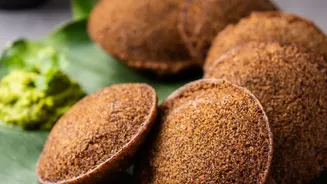
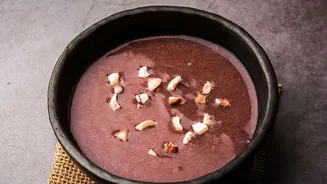
Starting your day with ragi is a great way to get a boost of sustained energy. Instead of your usual breakfast, you can try making instant ragi dosas, which are crispy, nutritious, and pair perfectly with sambar and chutney. Another popular option is soft ragi idlis, made by adding ragi flour to a fermented batter. For a quicker meal, a warm bowl of ragi porridge, known as ragi malt, is both comforting and incredibly healthy. It can be prepared as a sweet version with milk and jaggery or a savoury one with buttermilk and spices.
Wholesome Lunch and Dinner Ideas
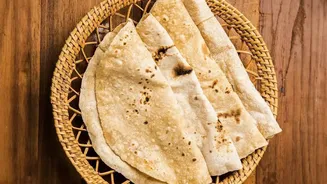
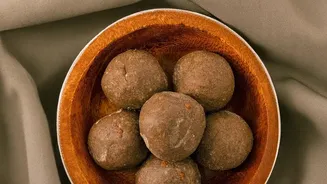
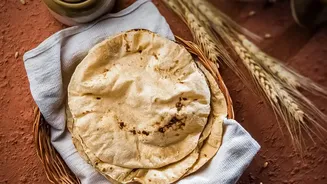
Ragi can easily be incorporated into your main meals. The simplest swap is making ragi roti or bhakri, a gluten-free flatbread that has a lovely, soft texture. These can be served with any dal or vegetable curry. In Karnataka, a traditional staple is the ragi mudde, which are dense, steamed balls of ragi flour eaten with flavourful curries. You can also make your meals more nutritious by adding ragi flour to other preparations, such as a savoury ragi upma loaded with vegetables or even a fibre-rich pulao made with whole ragi grains.
Healthy Snacks and Modern Twists
The versatility of ragi extends well beyond traditional dishes into the realm of modern, healthy snacking. Nutritious and tasty ragi ladoos, made with ragi flour, jaggery, and ghee, are a perfect guilt-free sweet. Bakers are now experimenting with ragi to create everything from wholesome cakes and muffins to crispy cookies and crackers. You can even make fluffy pancakes or savoury dhoklas using ragi flour for a healthy evening snack. These creative uses make it easy to enjoy the benefits of this superfood in new and exciting ways.