





A Trailblazing Initiative in the Himalayas
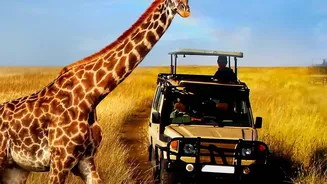
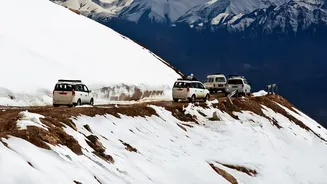
During the recent Wildlife Week 2026 celebrations in Leh, Lieutenant Governor Vinai Kumar Saxena flagged off the initial fleet of six open-back safari vehicles, marking the formal start of the programme. This initiative, announced just two months prior,
has been swiftly implemented by the Snow Leopard and High-Altitude Nature Conservation (SHAN) Society in collaboration with Ladakh's Department of Forest, Ecology and Environment. The primary goal is not merely to boost tourist numbers but to create a sustainable model where tourism, conservation, and community livelihoods can coexist and flourish. Officials stressed that the project aims to replace unregulated tourism and illegal off-roading with a structured, responsible alternative that protects the region's delicate terrain and its iconic wildlife.
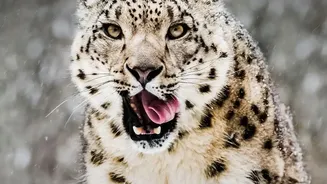
In Search of the 'Ghost of the Mountains'
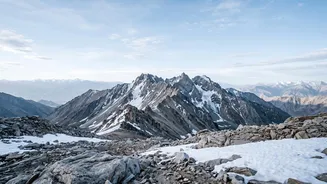
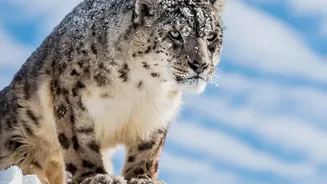
The snow leopard, often called the 'Ghost of the Mountains' for its elusive nature and masterful camouflage, is the star attraction. Ladakh is rightly known as the 'Snow Leopard Capital of the World', being home to an estimated 477 of India's total population of 718. These majestic cats are perfectly adapted to the harsh, high-altitude environment. The safari offers wildlife enthusiasts a rare, guided opportunity to spot them in their natural habitat. The initial safari routes will cover areas like Rumbak, Shang, and Ulley, which are renowned hotspots for snow leopard sightings. The winter months are considered the prime season, as the cats descend to lower altitudes in pursuit of prey like the blue sheep (bharal) and Asiatic ibex.
More Than Just a Safari
This initiative is fundamentally about community-led conservation. The safari vehicles are operated by trained local drivers and guides, creating direct employment opportunities. The administration's vision extends beyond the safari itself, with plans to build a robust 'conservation economy'. This includes training local youth in bird identification and providing them with equipment to work as birdwatching guides. Another programme involves empowering local women to use traditional handicraft skills and locally sourced wool to create wildlife-themed products, linking their economic well-being directly to the preservation of the region's natural heritage. As the Lieutenant Governor stated, the aim is to create a model where wildlife is not protected at the cost of people, nor does development come at the cost of wildlife.
How to Go Responsibly
While the prospect of seeing a snow leopard is thrilling, the programme is built on a foundation of responsible tourism. The safaris will follow designated routes to prevent habitat disturbance and illegal off-roading, which damages the fragile ecosystem. Visitor numbers will be regulated to minimise the impact on wildlife. For travellers, this means respecting the rules laid out by the authorities and tour operators. This includes observing wildlife from a safe distance, not using flash photography, and never attempting to feed or chase the animals. The core principle is to experience Ladakh's wild beauty with respect and responsibility. As of the launch, specific details on ticket prices and booking procedures have not been announced, and prospective visitors should look for updates from official Ladakh Tourism channels.