
1. Prepare Your Ginger and Water Correctly
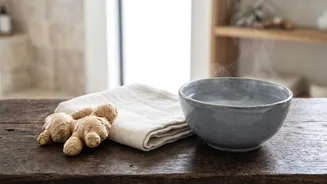
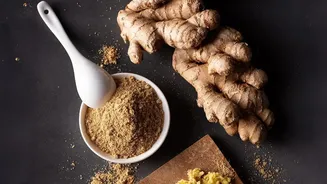
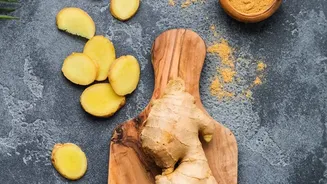
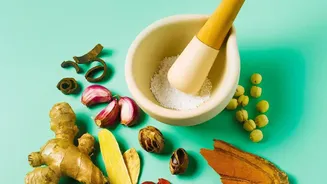
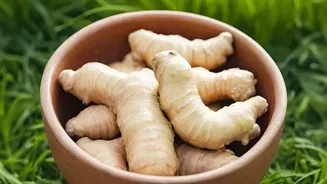
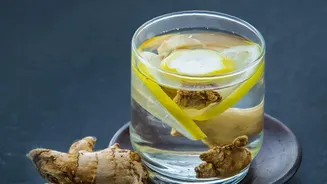
The first step is gathering your materials and preparing the ginger-infused water. You will need a large piece of fresh ginger root (about the size of your hand), a grater, a large pot of water, and a few clean cotton towels. Start by grating the fresh ginger.
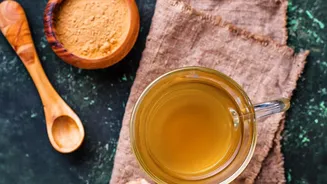
You can place the grated ginger into a cheesecloth or a thin cotton pouch and tie it closed, which makes cleanup easier. Alternatively, you can add the grated ginger directly to the water. Bring a large pot of water to a boil, then immediately reduce the heat to a low simmer. It is crucial that the water is hot, but not boiling, when you apply the compress. Place the ginger pouch into the simmering water and let it steep for at least five to ten minutes to allow its beneficial compounds to infuse the water.
2. Master the Art of Temperature Control
The most significant risk associated with a hot compress is a skin burn. Therefore, temperature control is not just a suggestion—it's the most critical safety measure. After the ginger has steeped, turn off the heat and let the water cool for a few minutes. The ideal temperature should be hot enough to be therapeutic but not so hot that it scalds the skin. A good target is around 71°C (160°F) if you have a thermometer, but a practical test is essential. Before applying the compress to the target area, always test the towel's temperature on a less sensitive part of your body, like your inner forearm. The towel should feel very warm and comfortable, never painfully hot. If it feels too hot to the touch, let it cool for another minute before re-testing. Always be cautious, especially if you have reduced sensation in the area you are treating.
3. Perform a Mandatory Patch Test
While ginger is natural, it can still cause skin irritation or an allergic reaction in some individuals. Applying it directly to the skin, especially with heat that opens the pores, increases this risk. Before your first complete ginger compress session, it is vital to perform a patch test. Prepare a small amount of the ginger water as described. Apply a small amount to a discreet patch of skin, such as the inside of your elbow or wrist. Leave it on for 15 to 20 minutes, the typical duration of a compress application. After removing it, wait and monitor the area for several hours, or even up to 24 hours. If you notice any signs of a reaction, such as excessive redness, rash, itching, or blistering, do not proceed with the full compress. This simple step can prevent widespread discomfort and skin damage.
4. Ensure Safe and Effective Application
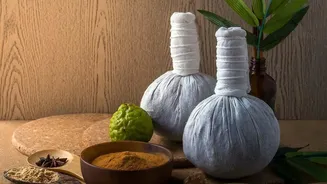
Once you've confirmed the temperature is safe and you've had no reaction to the patch test, you can proceed with the application. Dip a cotton towel into the hot ginger water, holding the ends to keep your hands dry. Carefully wring out the excess water so the towel is damp but not dripping. Gently place the warm towel on the affected area, such as a sore muscle, tensed back, or over the abdomen for cramps. To hold in the warmth, you can cover the damp towel with a larger, dry towel. Leave the compress in place for about 15 to 20 minutes, or until it cools down. You can re-soak and reapply the towel as needed during this time. Never apply a ginger compress directly over the spine, on an open wound, or on areas with very thin or sensitive skin.
5. Know When to Avoid Ginger Compresses
A ginger compress is not suitable for everyone or every situation. It's important to know the contraindications. You should avoid using a hot ginger compress if you have a high fever, as it can increase body heat. Pregnant individuals are often advised to be cautious with high doses of ginger and should consult a healthcare provider before use. Because ginger can have blood-thinning properties and may lower blood pressure, people with bleeding disorders, those taking anticoagulant medications (like warfarin), or individuals on blood pressure medication should also seek medical advice before using this remedy. Furthermore, do not use a ginger compress on infants or very young children. The goal is to use this traditional remedy to support your well-being, and being aware of these limitations is a key part of using it safely and effectively.