








Akvan Gathers Strength
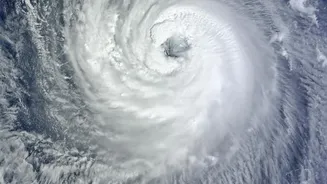
The India Meteorological Department (IMD) has been tracking Cyclone Akvan, which intensified into a severe cyclonic storm over the Bay of Bengal. As of November 19, 2026, the storm is moving towards the coast and is expected to make landfall around noon
on November 20. The projected path is between Narsapur in Andhra Pradesh and Puri in Odisha, with expected maximum sustained wind speeds of 90-100 kmph, gusting up to 110 kmph. The IMD has issued alerts for heavy to extremely heavy rainfall for coastal districts in both Andhra Pradesh and Odisha, warning of potential flooding and damage to infrastructure.
A Coast on High Alert
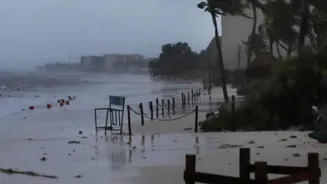
In response to the threat, a well-oiled disaster management machinery has clicked into gear. The National Disaster Response Force (NDRF) has pre-positioned multiple teams in vulnerable districts across Andhra Pradesh and Odisha. State governments have initiated large-scale evacuations, with Odisha reportedly moving around 50,000 people from low-lying and landslide-prone areas to safety. Schools have been closed in several districts, and government employee leave has been suspended. This proactive stance is a direct result of lessons learned from past tragedies and reflects a significant shift from a reactive, relief-centric approach to one focused on mitigation and preparedness.
Why the Bay of Bengal Is a Cyclone Hotspot
India's eastern coast is particularly susceptible to cyclones for a confluence of reasons. The Bay of Bengal's sea surface temperatures are consistently warm, often above the 28°C threshold needed to fuel these massive storms. Its semi-enclosed, funnel-like shape can amplify storm surges, pushing water into densely populated coastal plains. Furthermore, the constant influx of warm freshwater from major rivers like the Ganga and Brahmaputra creates a stratified layer that keeps the surface warmer, providing more energy for cyclones to intensify. While cyclone activity is now also rising in the Arabian Sea due to climate change, the Bay of Bengal remains historically the more active and dangerous basin.
From Tragedy to Textbook Response
The memory of the 1999 Odisha Super Cyclone, which claimed an estimated 10,000 lives, serves as a stark reminder of the coast's vulnerability. That disaster was a watershed moment, leading to a complete overhaul of India's disaster management framework. The subsequent establishment of the NDRF in 2006, the construction of thousands of multipurpose cyclone shelters, and the development of sophisticated early warning systems have been game-changers. The successful mass evacuations during Cyclone Phailin (2013) and Cyclone Fani (2019), which saved countless lives, are cited globally as models of effective disaster preparedness. This system, combining accurate forecasting, clear communication, and on-ground community participation, is what is on display as Akvan approaches.
The Challenge Ahead
While the ability to save lives has improved dramatically, the economic and social challenges remain immense. Each cyclone leaves a trail of destruction—damaged homes, inundated agricultural land, and crippled infrastructure. Climate change is projected to make cyclones more intense, with higher wind speeds and more extreme rainfall. This means the 'renewed focus' brought by storms like Akvan cannot be temporary. The long-term solution lies in building true resilience. This involves investing in cyclone-proof infrastructure, such as underground power cabling and stronger embankments, restoring natural defences like mangrove forests, and creating sustainable livelihoods that are less vulnerable to climate shocks. The goal is evolving from merely surviving the storm to being able to rebuild faster and better each time.