



Kumbhalgarh: The Great Wall of India
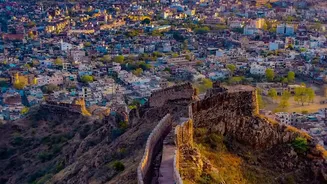
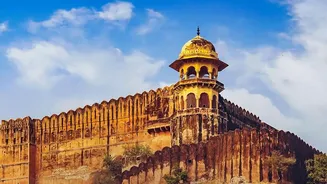
Often overshadowed by its famous Chinese counterpart, the wall of Kumbhalgarh Fort is a marvel of medieval engineering. Stretching for an astonishing 36 kilometres, it is the second-longest continuous wall in the world. Built in the 15th century by Rana
Kumbha, this UNESCO World Heritage Site's ramparts snake across the Aravalli Hills, a formidable barrier that was famously breached only once in its history. The walls are so broad in places that it's said eight horses could ride abreast. A walk along a section of this wall offers breathtaking views of the rugged landscape and the over 360 temples enclosed within the fort complex. It stands as a testament to the might of the Mewar kingdom.
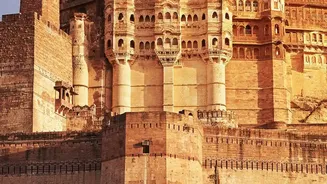
Mehrangarh: The Citadel of the Sun
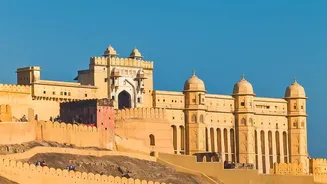
Rising from a 400-foot sheer cliff over the city of Jodhpur, Mehrangarh Fort is an awe-inspiring sight. Its walls, which reach up to 36 metres in height and 21 metres in width, appear to grow organically from the rock itself, creating an almost impenetrable fortress. Founded by Rao Jodha in 1459, the fort has been expanded over centuries, resulting in a stunning blend of architectural styles. As you approach through its seven massive gates, the sheer scale is humbling. Inside, the fort houses a museum with royal artefacts and ornate palaces like the Phool Mahal (Palace of Flowers). From the ramparts, you get a panoramic view of Jodhpur's famous blue houses, a striking contrast to the arid landscape beyond.
Chittorgarh: The Epic of Rajput Valour
More than just a fort, Chittorgarh is a sprawling symbol of Rajput pride and sacrifice. As one of the largest forts in India, it covers an area of nearly 700 acres atop a high hill. This UNESCO World Heritage site is protected by a 13-kilometre-long perimeter wall and is accessed through seven monumental gates called 'Pols'. The fort was the capital of Mewar and witnessed several historic sieges, becoming a legend in Indian history. Within its walls lie palaces, numerous temples, and commemorative towers, most notably the Vijay Stambha (Tower of Victory), built by Rana Kumbha to celebrate a military success. Exploring Chittorgarh is like walking through a history book filled with tales of heroism.
Jaisalmer: The Golden Living Fort
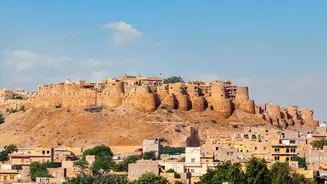
Emerging from the heart of the Thar Desert like a sandcastle of epic proportions, Jaisalmer Fort is unique. It is one of the world's few remaining 'living forts', with a significant portion of the old city's population still residing within its walls. Built in 1156, its yellow sandstone walls blend seamlessly with the desert, earning it the name Sonar Quila, or the Golden Fort. The fort is protected by 30-foot-high walls and 99 bastions. Wandering through its narrow, winding lanes, you'll find homes, shops, guesthouses, and ancient Jain temples. Unlike a sterile monument, Jaisalmer offers an immersive experience where history is not just preserved but is a part of everyday life.