


Bengal's Comforting Khichuri and Ilish Bhaja
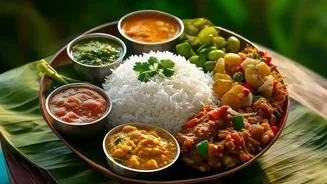
In West Bengal, the arrival of monsoon is synonymous with the craving for Khichuri, a wholesome and flavourful preparation of rice and lentils. It's a one-pot meal that provides immense comfort on a rainy day. While there are many variations, the classic
monsoon version is often a bit runny and savoured with a side of Ilish Bhaja (fried Hilsa fish). The monsoon coincides with the peak season for Hilsa, making this fish an accessible delicacy celebrated for its unique taste and rich, oily texture. This pairing is more than just a meal; it's a cultural touchstone that brings together the best of the season's offerings on a single plate.
Kerala's Healing Karkidaka Kanji
Down south in Kerala, the monsoon month of Karkidakam is a time for rejuvenation and wellness, and at the heart of this tradition is Karkidaka Kanji. This isn't just any porridge; it's a medicinal gruel made from special Navara rice, coconut milk, and a blend of Ayurvedic herbs and spices like fenugreek and cumin. According to Ayurveda, the rainy season can weaken digestion and immunity. This Kanji is specifically designed to counteract that, providing warmth, boosting the immune system, and helping the body cope with the dampness. It embodies the philosophy of food as medicine, a nourishing tradition passed down through generations.
Coastal Karnataka's Earthy Pathrode
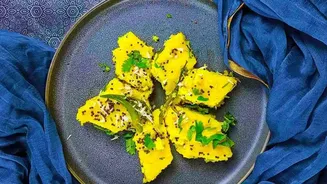
Along the coasts of Karnataka, the monsoon brings with it an abundance of colocasia (or taro) leaves, the star ingredient for a dish called Pathrode. This unique preparation involves smearing a spicy, tangy batter of rice flour, coconut, and spices onto the leaves. The layered leaves are then rolled, steamed, and sliced into rounds. These pinwheels can be eaten as is, perhaps drizzled with coconut oil, or they can be pan-fried for a crispier texture. It's an earthy, flavourful snack that perfectly captures the essence of the season, utilizing a plant that thrives in the rainy weather.
Rajasthan's Festive Ghevar
While Rajasthan receives less rainfall, the monsoon season is still a time of celebration, marked by festivals like Teej and Raksha Bandhan. The quintessential sweet of this season is Ghevar, a disc-shaped, honeycomb-like dessert made from flour and soaked in sugar syrup. The preparation of Ghevar is an art that relies on the high humidity of the monsoon, which is essential for achieving its signature porous and crispy texture. Topped with rabri (thickened milk), nuts, or saffron, Ghevar is not just a sweet treat but a symbol of joy, gifting, and festive spirit during the rains.
Maharashtra's Iconic Kanda Bhaji
While it falls into the fritter family, Maharashtra's Kanda Bhaji deserves its own special mention. This beloved snack, made from finely sliced onions mixed with gram flour and spices before being deep-fried, is a monsoon icon in the state, especially in Mumbai. Different from a standard pakora, its preparation gives it a unique texture that's incredibly crispy. Enjoyed piping hot from a street-side stall while huddled under an awning to escape a downpour, often with a cup of chai, it's a simple, universally loved experience that defines the monsoon for many Maharashtrians.
The Universal Joy of Bhutta
Across all regions, from bustling city streets to quiet highways, the humble Bhutta, or roasted corn on the cob, is an undisputed king of the monsoon. The sight of a vendor fanning hot coals, roasting corn until it's slightly charred, and then rubbing it with salt, chilli, and a squeeze of lime is a quintessential rainy-day image in India. It’s a simple, wholesome, and delicious snack that provides warmth and comfort. While regional delicacies offer a taste of local traditions, the appeal of a hot, spicy, and tangy Bhutta unites everyone in their love for monsoon snacking.