






A Tradition of Tranquility
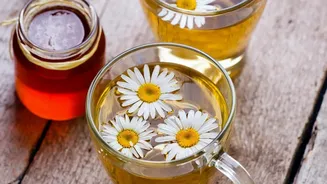
For centuries, both chamomile and honey have been staples in traditional wellness practices across the globe. Ancient Egyptians, Greeks, and Romans used chamomile for its gentle, calming properties. It has long been regarded as a go-to remedy for promoting
relaxation and easing into a restful night's sleep. Honey, meanwhile, has been valued not just for its natural sweetness but also for its soothing qualities, often used to calm coughs and support overall well-being. The combination isn't a new wellness trend but a time-honoured tradition, a simple and effective way to find a moment of peace in a bustling world. This historical reliance on their individual benefits naturally led to them being paired together, creating a synergy that people have enjoyed for generations.
The Science of Serenity
The calming reputation of this duo is backed by modern science. The key to chamomile’s relaxing effect lies in a flavonoid called apigenin. Apigenin works by binding to specific receptors in the brain, helping to quiet neural activity and reduce feelings of anxiety, which can make it easier to fall asleep. It essentially helps dial down a 'busy' mind without causing the dependency associated with some sleep aids. Honey’s role is more subtle but equally important. As a natural source of carbohydrates, a small amount of honey can cause a slight rise in insulin, which helps tryptophan enter the brain. Tryptophan is an amino acid that gets converted into serotonin and then melatonin, the hormone that regulates our sleep-wake cycle. Together, they create a gentle, two-part harmony that encourages the body and mind to unwind naturally.
A Symphony of Sweetness
Beyond the functional benefits, the honey and chamomile pairing is a masterclass in flavour. Chamomile itself has a delicate, slightly sweet profile with notes of apple and hay. To complement this, the right honey is crucial. A mild, floral honey works best, as a strong one can easily overpower chamomile's subtle taste. Wildflower honey is a popular choice because its light, floral notes enhance the tea without dominating it. Sage honey is another excellent, non-assertive option that pairs beautifully. For a different twist, a light clover or alfalfa honey can provide clean sweetness. Even fruit-blossom honeys, like orange blossom, can add a complementary layer of complexity. The goal is to find a honey that harmonises with the tea, turning a simple drink into a nuanced and satisfying experience.
Beyond the Teacup
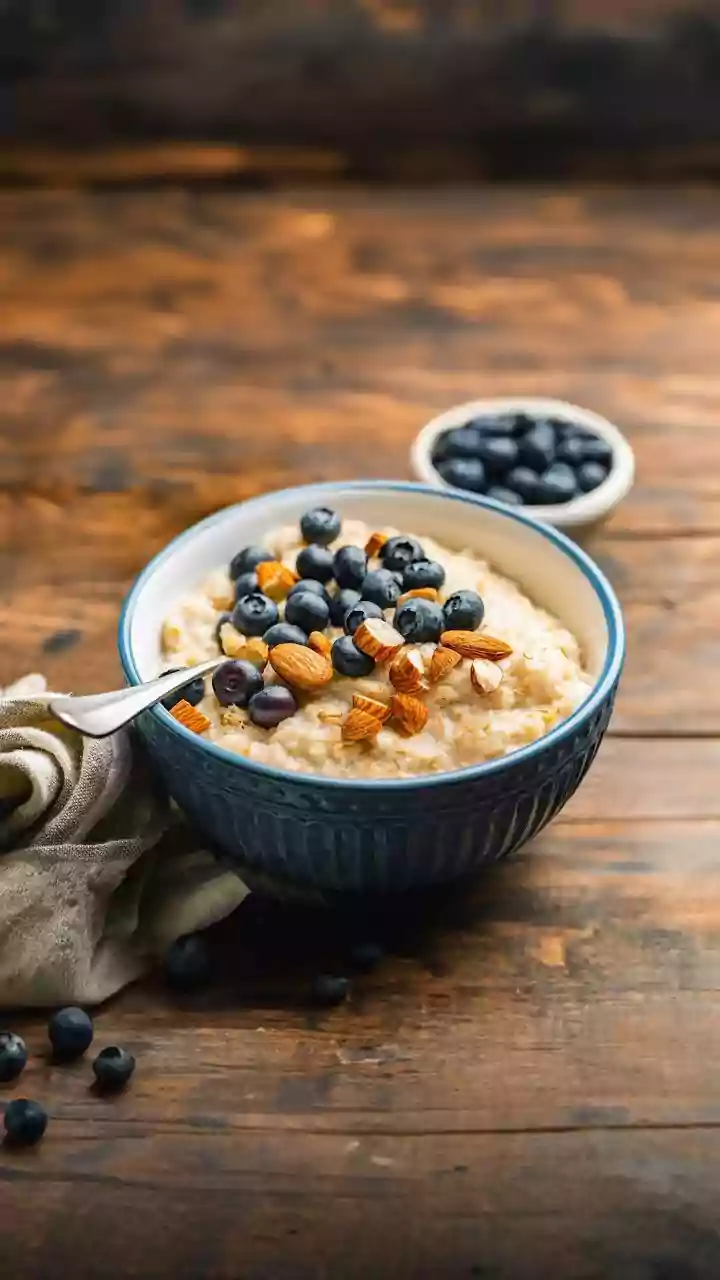
While a warm brew is the classic way to enjoy this pairing, its potential extends far beyond the mug. By creating a honey-chamomile infused syrup, you can unlock a world of culinary creativity. This syrup can be drizzled over pancakes, waffles, or a bowl of morning porridge. It's a wonderful addition to plain yogurt or fruit salads, adding a touch of floral sweetness. In the world of beverages, the syrup can form the base for sophisticated cocktails like a gin sour or a bourbon-based drink. For a non-alcoholic option, it can be mixed with sparkling water and a squeeze of lemon for a refreshing homemade soda. The pairing also works beautifully in desserts, such as in a honey panna cotta, infused into buttercream for cakes, or as a glaze for simple tea cookies.
Crafting the Perfect Cup
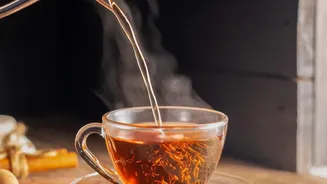
To get the most out of your honey and chamomile experience, preparation matters. Start with high-quality dried chamomile flowers or a reputable tea bag. Use water that is hot but not boiling, as scorching water can damage the delicate floral compounds. Let the tea steep for three to five minutes, depending on your preferred strength. A crucial tip is to add the honey after the tea has steeped and cooled slightly. Adding raw honey to boiling water can degrade some of its beneficial enzymes and nuanced flavours. Stir until the honey dissolves completely, and find a quiet corner to enjoy your perfectly crafted moment of calm.