




The Great Nut Butter Debate
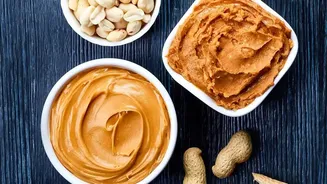
In the world of fitness and healthy eating, few staples are as beloved as nut butter. It's a versatile source of energy, healthy fats, and protein, perfect for pre-workout fuel or post-workout recovery. For years, peanut butter reigned supreme, celebrated
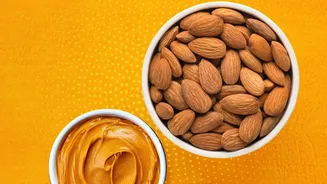
for its affordability and protein punch. However, a noticeable shift is underway. Walk through any health-focused cafe or scroll through fitness influencers' recipes, and you'll see almond butter taking a prominent role, especially in healthy sweets like protein balls, smoothies, and baked goods. This has left many wondering: is almond butter truly a superior choice, or is this just a case of premium branding and health halos at play?
The Protein Puzzle
The headline claim often revolves around protein, a crucial macronutrient for muscle repair and growth. Many assume almond butter’s higher price tag must correlate with higher protein content. However, the numbers tell a slightly different story. On average, a two-tablespoon serving of peanut butter contains around 7 to 8 grams of protein. In contrast, the same serving of almond butter typically offers about 6 to 7 grams. While the difference is minimal, peanut butter actually has a slight edge in the protein department. So, if the swap isn’t for more protein, the real reasons must lie in the other nutritional details.
Beyond Protein: The Micronutrient Advantage
Here is where almond butter truly shines and where the justification for the trend becomes clear. Almond butter packs a significantly more potent punch when it comes to certain essential vitamins and minerals. It contains substantially more vitamin E, a powerful antioxidant that helps combat oxidative stress from intense exercise. Furthermore, almond butter is richer in magnesium, which aids in muscle function and can help prevent cramps, and it also provides more calcium for bone health. For a fitness enthusiast looking to optimize recovery and overall wellness, this superior micronutrient profile is a major draw that often outweighs the slight deficit in protein.
A Tale of Two Fats
Both butters are excellent sources of healthy fats, which provide sustained energy. However, the composition of these fats differs. Almond butter contains a higher proportion of monounsaturated fats, the same heart-healthy fats found in olive oil and avocados. These fats are associated with improved cholesterol levels and better heart health. While peanut butter also contains healthy fats, it has a slightly higher level of saturated fat in comparison. Though this difference is small, for athletes meticulously tracking their intake for optimal body composition and cardiovascular performance, almond butter's fat profile offers a slight advantage.
From the Jar to the Dessert
When it comes to incorporating these butters into sweets, taste and texture play a crucial role. Peanut butter has a distinct, robust flavor that can sometimes dominate a recipe. Almond butter, on the other hand, has a milder, slightly sweeter taste that allows other ingredients, like chocolate, vanilla, or fruit, to stand out. Its texture is often described as creamier and less sticky, which can be more pleasant in smoothies and energy bites. This subtlety makes it a versatile ingredient in healthy desserts where a balanced flavor profile is desired. You can generally substitute them one-for-one in recipes, but the final taste will be noticeably different.
The Price of Preference
No comparison would be complete without acknowledging the elephant in the room: the price. Almond butter is consistently more expensive than peanut butter. This is due to the higher costs associated with growing almonds, which require more water and specific climate conditions compared to peanuts (which are technically legumes). For many, this cost difference is the deciding factor. While almond butter offers a superior micronutrient profile, peanut butter remains a highly nutritious, budget-friendly option that still delivers quality protein and healthy fats. The choice often comes down to balancing nutritional goals with financial realities.