




The Monsoon's Hydrating Hero
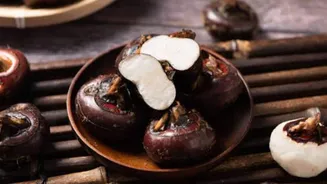
One of the most surprising benefits of the singhara, also known as the water chestnut or water caltrop, is its high water content. Comprising nearly 74% water, it serves as an excellent food for hydration. During the humid monsoon months, when we might
sweat more than we realise, maintaining fluid balance is crucial. While we often focus on drinking water, eating water-rich foods is a fantastic way to supplement our intake. The cooling properties of singhara make it particularly refreshing, helping to soothe the body and quench thirst on a warm, damp day. This makes it a smarter choice than many salty, fried snacks that can leave you feeling dehydrated.
A Potassium Powerhouse for Heart Health
Singhara is exceptionally rich in potassium, a vital mineral for maintaining good health. A 100-gram serving of raw water chestnuts can contain a significant amount of potassium, which plays a key role in balancing fluids and countering the effects of sodium in the body. This action helps in regulating blood pressure, reducing the risk of stroke and other cardiovascular issues. By choosing singhara over processed snacks that are often high in sodium, you are making a heart-friendly decision that supports your overall well-being.
The Fibre Factor for Digestive Wellness
Monsoon season can sometimes bring digestive troubles. Singhara offers a natural solution thanks to its high dietary fibre content. Fibre is essential for a healthy digestive system; it adds bulk to your diet, which aids in more efficient digestion and helps prevent common issues like constipation. Furthermore, high-fibre foods promote a feeling of fullness, or satiety. This means snacking on a handful of boiled or raw singharas can keep you satisfied for longer, preventing you from overeating or reaching for less healthy, high-calorie options between meals.
More Than Just a Snack
Beyond its key macronutrients, singhara is packed with other benefits. It is a low-calorie food, making it an excellent choice for weight management. It is also loaded with antioxidants like flavonoids and polyphenols, which help the body fight against harmful free radicals and reduce oxidative stress. This aquatic vegetable contains a good amount of Vitamin B6, which contributes to uplifting mood and can help promote better sleep. Additionally, it provides essential minerals like manganese and copper, making it a truly nutrient-dense food.
How to Best Enjoy Singhara
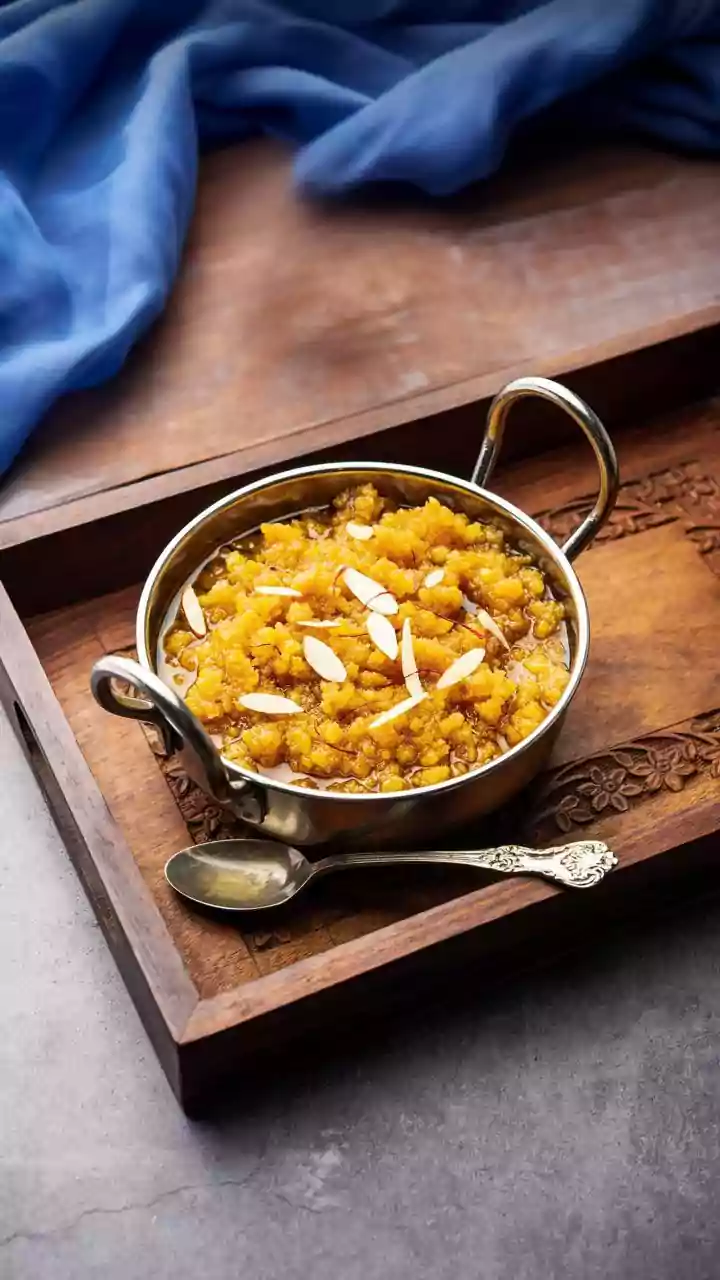
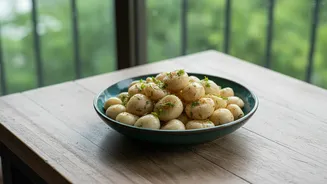
Singhara is incredibly versatile. It is most commonly found sold by street vendors, where it is often boiled and served with a sprinkle of salt and a dash of lemon juice. You can enjoy it raw, where its crisp, crunchy texture and mildly sweet flavour shine through. Just be sure to wash it thoroughly before peeling and eating. It can also be roasted, added to stir-fries and curries for texture, or even ground into flour ('singhare ka atta') to make rotis, pancakes, and desserts, especially popular during fasting periods. Whether you prefer it raw, boiled, or cooked into a dish, there are many ways to incorporate this healthy vegetable into your diet.