






Deconstructing a Common Diet Myth
For years, diet culture has warned against combining two sources of carbohydrates in a single meal, suggesting it's a direct path to weight gain. The idea is that pairing, say, pasta with garlic bread, overloads the body with starches. However, nutritionally
speaking, this concept is flawed. Your body's digestive system doesn't differentiate between a carbohydrate from a potato and one from bread eaten in the same meal. It simply registers the total amount of carbohydrates consumed. The theory of 'food combining', which suggests that certain food pairings are inherently bad for digestion, lacks scientific support. In fact, the human digestive system is perfectly capable of handling mixed meals containing proteins, fats, and various carbohydrates all at once. The real issue isn't the pairing itself, but the sheer volume of food we tend to eat when two carb-heavy items are on the plate.
The Real Culprit: Portion Distortion
The main problem with so-called double-carb meals is that they almost always involve oversized portions. A standard serving of carbohydrates is often much smaller than people think—about half a cup of cooked pasta or a third of a cup of cooked rice, which contains roughly 15-30 grams of carbohydrates. A typical restaurant meal or even a home-cooked plate can easily contain three or four times that amount. For example, a large bakery bagel can have the same amount of carbs as four slices of bread. When you have a large serving of rice alongside a large naan, you’re not just 'double carbing'; you’re likely consuming a massive number of calories and carbohydrates in one sitting. It’s this excess—not the combination—that can lead to blood sugar spikes, subsequent energy crashes, and, over time, contribute to weight gain.
Not All Carbs Are Created Equal
Focusing on the type of carbohydrate is far more important than worrying about pairing them. Carbohydrates fall into two main categories: simple and complex. Simple carbs, like those in white bread, pastries, and sugary drinks, are digested quickly, which can cause a rapid increase in blood sugar. Complex carbs, found in whole grains, vegetables, and legumes, contain fibre, which slows digestion. This leads to a more gradual release of energy and helps you feel fuller for longer. A meal that combines brown rice with a whole-wheat roti and plenty of vegetables is nutritionally very different from a meal of white pasta with a side of white garlic bread. Combining carbs with protein, healthy fats, and fibre can actually be beneficial, as it helps to blunt the blood sugar response and create a more balanced and satiating meal.
Building a Smarter, Carb-Friendly Plate
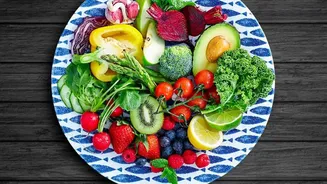
Instead of banning double carbs, focus on building a balanced plate. A simple and effective visual guide is the 'plate method'. Aim to fill half of your plate with non-starchy vegetables like broccoli, spinach, or bell peppers. One quarter of your plate should be a lean protein source, such as chicken, fish, beans, or tofu. The final quarter is for your carbohydrates. If you choose to have two carbohydrate sources, they should both fit within that single quarter of the plate. For instance, you could have a small scoop of quinoa and a small piece of sweet potato. The key is that the total volume of carbs remains in check. This approach allows you to enjoy your favourite foods without feeling deprived, while ensuring your meal is nutritionally balanced and appropriately portioned.