



The Core of Pilates: Controlled Endurance
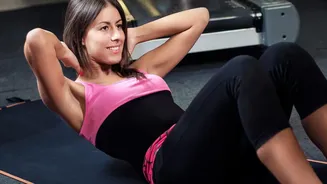
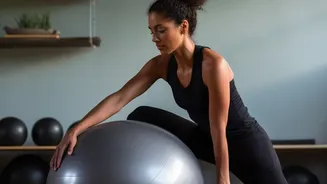
Pilates is a low-impact exercise method that focuses on precision, core strength, and mindful movement. The headline’s term, “controlled endurance,” perfectly captures its essence. This isn't about breathless, high-intensity cardio. Instead, Pilates builds
the ability to sustain effort through deep muscular stability. By targeting the deep stabilizing muscles of the abdomen, back, and pelvic floor, it creates a powerful center from which all movement originates. This deep strength allows you to hold challenging positions and perform repetitive exercises with unwavering form. The endurance here comes from muscular control, teaching the body to work efficiently without wasted energy, which is crucial for maintaining good posture and preventing fatigue in any activity.
The Impact of Running: Building Movement Resilience
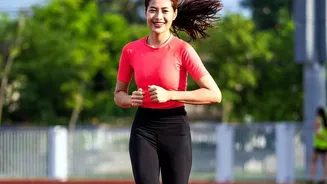
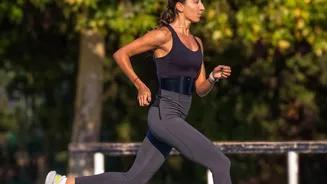
Running, a high-impact aerobic exercise, challenges the body in a completely different way. Its repetitive, weight-bearing nature builds what can be called “movement resilience.” This refers to the body's capacity to absorb shock, adapt to stress, and withstand repetitive motion without breaking down. Every foot strike sends forces through your bones and joints. In response, the body adapts by increasing bone mineral density, making the skeleton stronger and more resilient to fractures. This is why running is often lauded for its ability to safeguard against age-related bone loss. Furthermore, running enhances your cardiovascular system's ability to deliver oxygen to working muscles, a key component of overall endurance and physical resilience.
A Tale of Two Strengths
At first glance, the two activities seem like opposites. Pilates is performed with slow, deliberate control, often on a mat or reformer. Running is dynamic, linear, and all about forward momentum. Yet, their benefits are not mutually exclusive; they are deeply complementary. Running primarily develops muscles in a forward-and-backward plane, which can lead to imbalances over time. Hip flexors can become tight while glutes and core stabilizers might not get the attention they need, leading to poor form and common running injuries. This is precisely where Pilates shines. It strengthens the body through multiple planes of motion, activating the deep core and gluteal muscles that support proper running mechanics.
Better Together: The Synergistic Effect
For runners, incorporating Pilates isn't just cross-training; it's a way to build a more efficient, injury-proof body. A strong core, developed through Pilates, provides a stable pelvis and torso, which translates into a more powerful and efficient running stride. This stability helps prevent energy leaks and reduces compensatory movements that can lead to issues like runner's knee or IT band syndrome. Improved posture and body awareness from Pilates help a runner maintain better form, even when fatigue sets in during a long run. In return, running provides the cardiovascular conditioning that a pure Pilates practice might lack. Together, they create an athlete who has both the engine (from running) and the chassis (from Pilates) to perform at their best.
How to Blend Both into Your Routine
You don't need to be a marathoner or a Pilates master to reap the rewards. Integrating one or two Pilates sessions into your week can make a significant difference in your running. If you're primarily a runner, think of Pilates as your maintenance and structural integrity day. Focus on exercises that strengthen the core, improve hip mobility, and activate the glutes. This will directly support your running form. If you're a Pilates enthusiast, adding a couple of short runs per week can boost your cardiovascular health and add a new dimension to your fitness. The key is to see them not as competing for your time, but as two parts of a holistic approach to building a body that is strong, enduring, and resilient enough for whatever challenges you throw at it.