





Meet the U1 Series
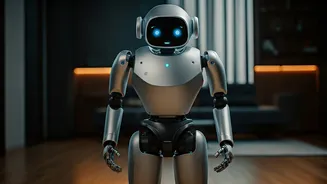
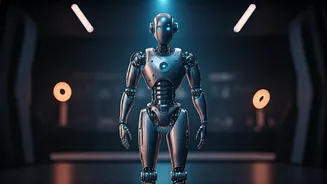
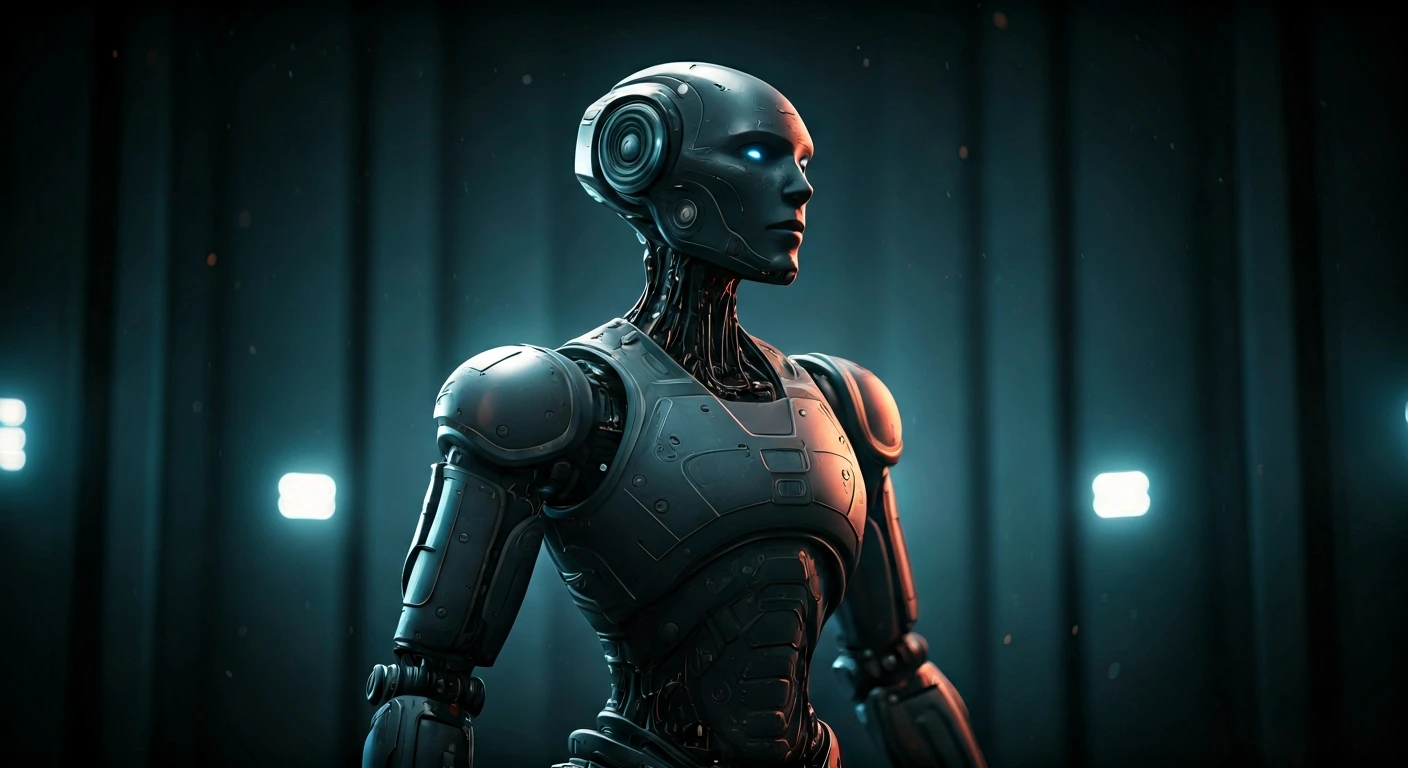
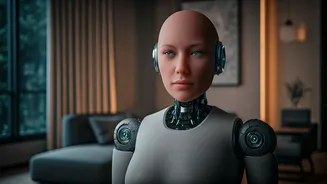
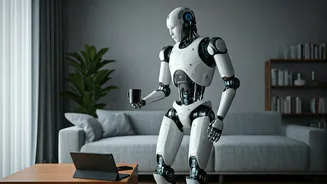
Chinese firm UBTech Robotics recently unveiled its U1 series, a line of full-sized, 'ultra-bionic' humanoid robots designed for the consumer market. At a launch event showcasing over 50 models, the company presented robots standing at human scale, complete
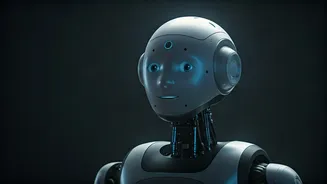
with hyper-realistic details. These machines are not just static displays; with up to 88 high-precision joints, they can perform nuanced movements like blinking and turning their heads, aiming for lifelike interaction. The announcement has already generated significant interest, with global pre-orders reportedly surpassing 13,000 units ahead of shipments scheduled for later this year.
More Than Just a Pretty Face
A key innovation in these new robots is the use of biomimetic skin, designed to replicate the look and feel of human skin, right down to pores and fingerprints. This isn't purely for aesthetics. Developing realistic, flexible skin is a major goal in robotics. It makes the machines more approachable and safer for interaction in human environments. Advanced artificial skins can be embedded with sensors to detect pressure, temperature, and touch, allowing the robot to interact with its surroundings with greater finesse and safety—knowing how firmly to grip an object, for instance. This sensory feedback is crucial for robots intended to operate in homes and service settings rather than on a predictable factory assembly line.
The New Market: From Industry to Interaction
For years, the primary market for robots has been in manufacturing and logistics, where they perform repetitive, heavy, or dangerous tasks. UBTech, already a player in the industrial space with its Walker series of robots, is now aiming for a 'second growth curve' by entering the consumer market. This new market is focused on service and companionship. Projections for the humanoid robot market are incredibly bullish, with some analysts forecasting growth from a few billion dollars today to potentially hundreds of billions by the next decade. This explosive growth is expected to come from applications in healthcare, elder care, hospitality, retail, and personal assistance at home.
The Rise of the Companion Robot
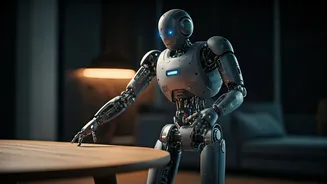
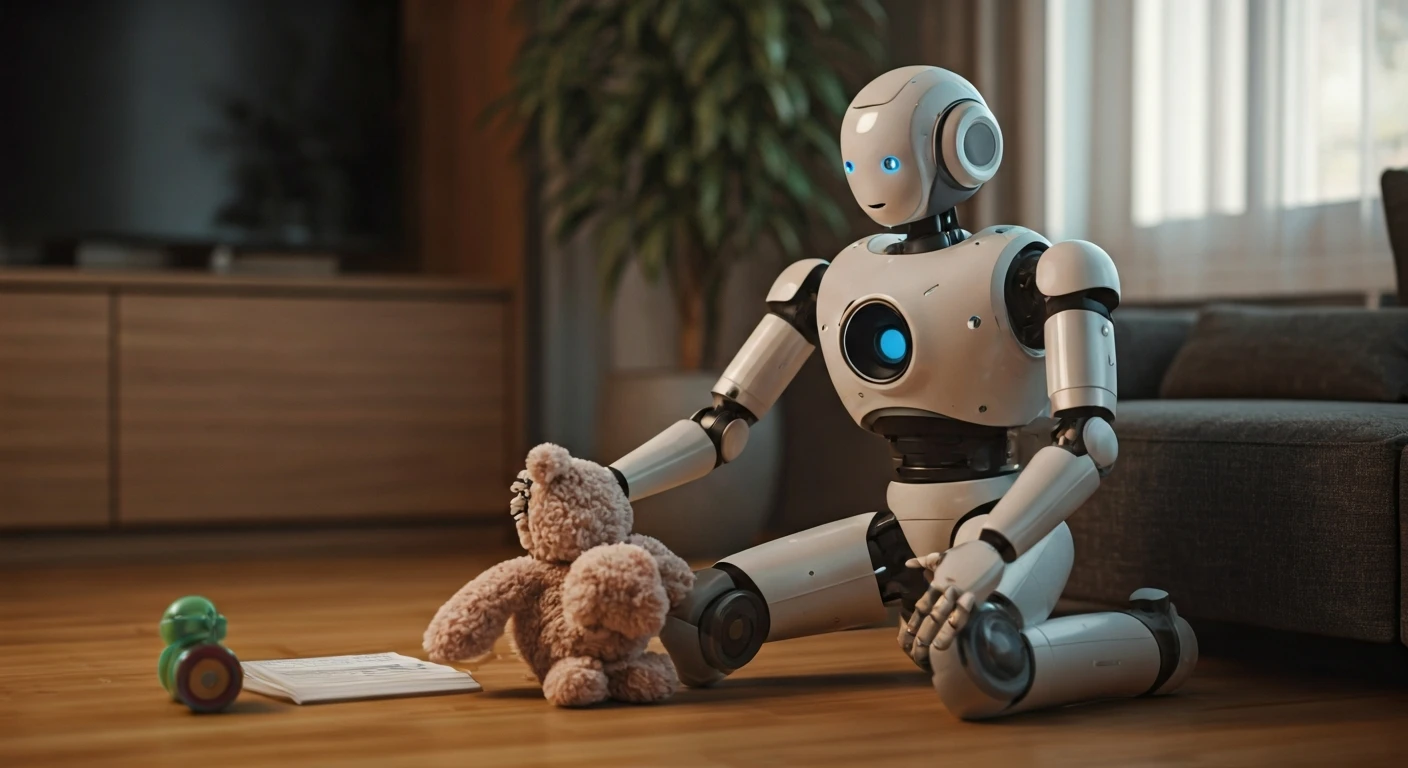
The ultimate vision for robots like the U1 series is 'human-machine symbiosis'. UBTech executives speak of a future where robots provide personalized emotional support and companionship. This could involve assisting the elderly, offering interactive educational support for children, or simply acting as a household assistant that can interact naturally with family members. Equipped with emotion-driven AI models and the ability to learn from interactions, these machines are being positioned as a new consumer category entirely—one focused on mental well-being and daily support. The goal is to move beyond mere utility and create robots that can integrate deeply into daily life.
Challenges on the Road Ahead
Despite the ambitious vision and strong initial interest, significant hurdles remain. The most obvious is cost. The flagship U1 models carry a price tag approaching one million yuan (around HK$1.14 million), putting them far out of reach for the average consumer. While UBTech's CEO has stated that prices will come down with mass production, the path to affordability is long. Beyond price, issues of public acceptance, battery life, and the sheer complexity of navigating unpredictable home environments are all challenges that must be solved. Today's most advanced robots are still experimental and a long way from the autonomous, all-purpose helpers seen in movies.