




The Sacred Start: A Taste of Bhog
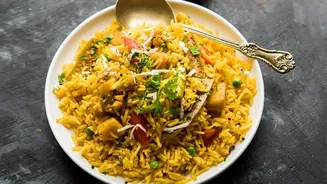
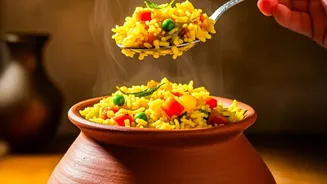
The day often begins with a visit to a neighbourhood pandal, not just for prayers, but for a serving of bhog. This consecrated food, offered first to the Goddess, is a simple, soulful vegetarian meal that embodies the spirit of community. The star of the plate
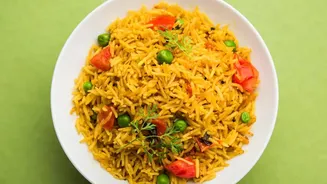
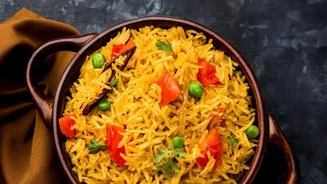
is the bhoger khichuri, a fragrant blend of roasted moong dal and gobindobhog rice, cooked without onion or garlic. It's typically served with labra, a medley of seasonal vegetables, and beguni, which are crisp brinjal fritters. Eating this meal, often sitting shoulder-to-shoulder with strangers, is a quintessential Pujo experience, grounding the day’s festivities in tradition and togetherness.
The Pandal-Hopping Fuel: Street Food Frenzy
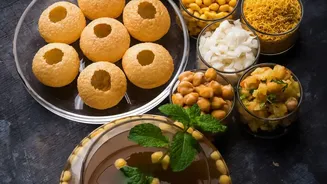
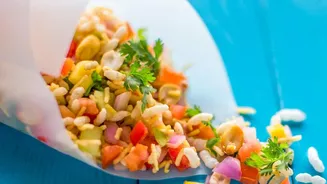
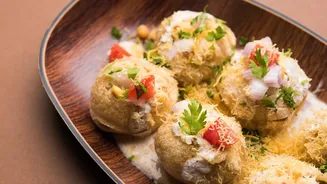
As dusk falls, the art of pandal hopping begins, and with it, the relentless pursuit of street food. The air fills with the sizzle of kathi rolls—flaky parathas wrapped around succulent fillings of egg, chicken, or mutton. No food walk is complete without phuchka, Kolkata’s beloved version of pani puri, where crowds gather around vendors for crispy spheres filled with spiced potatoes and tangy tamarind water. Then there are the fried delights: fish fry, often made with bhetki, and kobiraji cutlets, a minced meat or fish cutlet enveloped in a fluffy, lacy egg coating. These snacks are not just food; they are the delicious, portable fuel that powers the all-night exploration of the city's artistry.
A Sweet Interlude: The Mishti Break
No Bengali celebration is complete without mishti, or sweets. During Durga Puja, sweet shops are at their brilliant best, offering an endless array of treats. The period of Bijoya Dashami, which follows the main puja days, is marked by visiting friends and relatives, where exchanging and sharing sweets is a cherished custom symbolising goodwill. Classics like the soft, spongy rosogolla and the delicate sandesh made from fresh cottage cheese are staples. But the festive spread also includes mishti doi (sweet yogurt), malpua (syrupy pancakes), and countless other creations. This tradition of 'mishtimukh' (sweetening the mouth) is an integral part of the festive social fabric.
The Grand Finale: A City United by Biryani
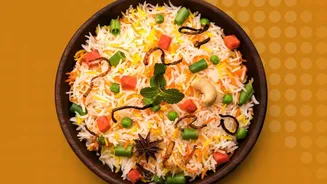
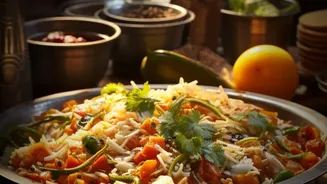
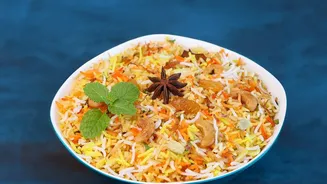
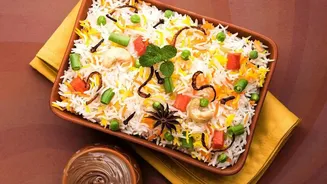
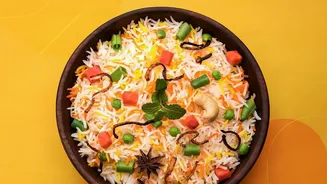
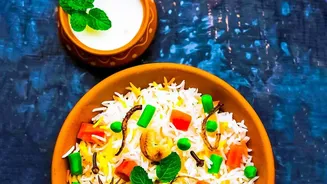
Interestingly, one of the most popular dishes to cap off a day of celebration is not traditionally Bengali. The Kolkata-style biryani, with its characteristic subtle aroma, tender meat, and the all-important golden-brown potato, has become a festive institution. While many parts of India observe vegetarian fasts during Navratri, Pujo in Bengal is a time of indulgence, and biryani is the go-to celebratory meal for families and friends. Restaurants see long queues late into the night, as revellers gather for a final, hearty meal. It represents a cultural melting pot, a dish that has been so warmly embraced it now feels inseparable from the festival itself.
Why Hopping Matters: A City-Wide Feast
The essence of the Pujo food experience lies in movement. Hopping from one neighbourhood to another isn't just about admiring the different pandal themes; it’s about diving into the distinct culinary offerings of each area. North Kolkata might be famed for its century-old eateries serving traditional kosha mangsho, while South Kolkata's Vivekananda Park area is a hub for phuchka and other street snacks. This journey across the city turns Kolkata into a vast, open-air dining room where every stop offers a new taste and a fresh memory. The food trail is inextricably linked to the pandal trail, proving that to truly experience Durga Puja is to eat your way across the city.