

Safety First: The Glaring Difference
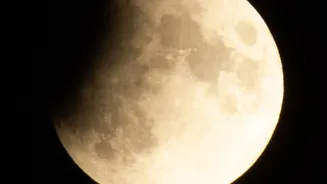
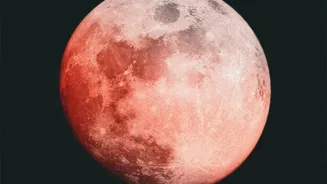
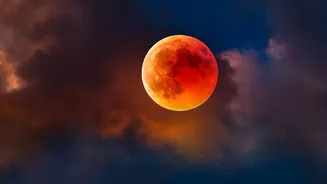
The single most significant reason lunar eclipse photography is easier comes down to safety. A lunar eclipse occurs when the Earth passes between the sun and the moon, casting a shadow on the lunar surface. You are, in effect, photographing a subject
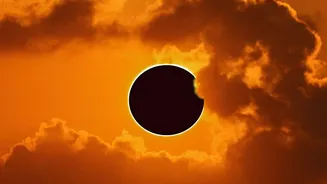
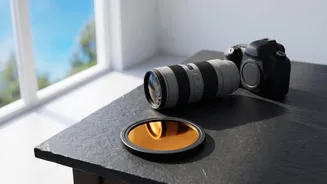
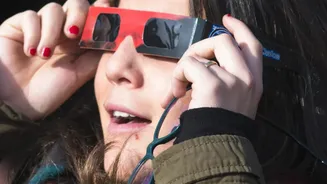
in shadow. It is completely safe to look at with the naked eye and to photograph without any special protective gear for your camera. Photographing the sun, even during a partial solar eclipse, is a different beast entirely. Pointing an unfiltered camera lens, or your eyes, at the sun can cause instant and permanent damage. Solar photography requires certified solar filters that block not just visible light but also harmful infrared and ultraviolet radiation. These filters must be securely fastened to the front of your lens during all partial phases. Forgetting this crucial step can destroy your camera's sensor and, far more importantly, your eyesight.
Gear: Simplicity vs. Specialization
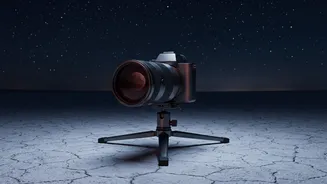
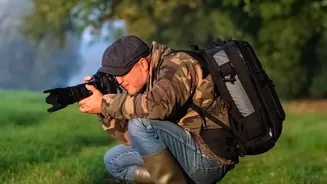
Because there are no safety filter requirements, you can photograph a lunar eclipse with standard camera equipment. A DSLR or mirrorless camera, a telephoto lens (200mm or longer is ideal), and a sturdy tripod are the key components. Many enthusiastic photographers already own this gear. The tripod is essential to keep the camera steady for the longer exposures needed as the moon darkens. In contrast, solar eclipse photography demands specialized, non-negotiable equipment. In addition to the mandatory solar filters, the high-stakes, fast-paced nature of the event means preparation is key. Many serious photographers use remote shutter releases and practice their entire sequence beforehand to minimize camera shake and maximize their limited time. While a tripod is also crucial, the primary barrier is the need for specific, certified filters that most photographers don't own for everyday use.
Time and Pacing: A Leisurely Marathon vs. A Frantic Sprint
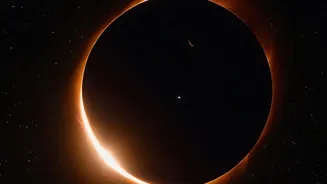
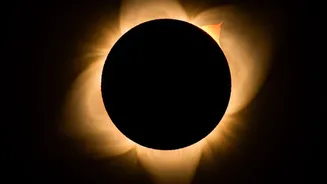
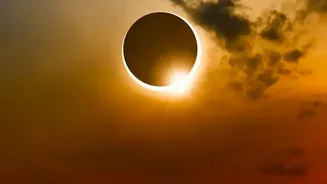
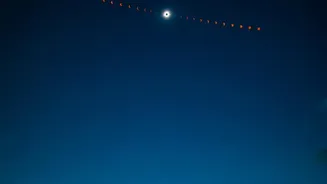
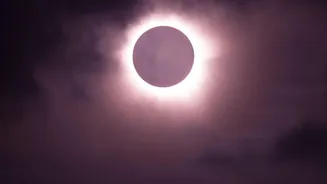
A total lunar eclipse is a slow, graceful event. The entire process, from the first hint of Earth's shadow to the last, can last for several hours, with the 'totality' phase (when the moon is fully in shadow) often lasting for an hour or more. This gives photographers ample time to experiment with settings, recompose shots, and truly soak in the experience. You can adjust your ISO, shutter speed, and aperture as the moon dims and brightens, bracketing your shots to ensure you get the perfect exposure. A total solar eclipse is the opposite. The period of totality, when the moon completely blocks the sun and the magnificent corona is visible, is incredibly brief, often lasting just two to four minutes. This creates a high-pressure, frantic environment. Photographers must work through a pre-planned sequence of actions with precision: remove the solar filter just before totality, shoot a rapid-fire series of bracketed exposures to capture the corona, and replace the filter the second totality ends. There is very little room for error or leisurely experimentation.
The Challenge of Light and Exposure
While a lunar eclipse requires you to adjust for changing light, the range is manageable. As the moon enters Earth's shadow, it dims dramatically, so you'll need to increase your ISO and use slower shutter speeds. However, the light is relatively even across the lunar surface. Capturing the sun's corona during a total solar eclipse presents one of the most extreme dynamic range challenges in photography. The inner corona near the sun's limb is thousands of times brighter than the faint, wispy tendrils of the outer corona. No single camera exposure can capture this immense range. The solution is to shoot a wide bracket of different exposures—from very fast shutter speeds for the bright inner parts to multi-second exposures for the outer edges—and later combine them into a single high dynamic range (HDR) image. This adds a significant layer of technical complexity both during the shoot and in post-processing.