





The New Frontier for Coffee
A massive shift is underway in India's cafe industry. Once concentrated in the dense urban landscapes of Mumbai, Delhi, and Bengaluru, national and international coffee chains are now aggressively expanding into Tier-2 and Tier-3 cities. Homegrown chains like
Barista and specialty brands like Third Wave Coffee and Blue Tokai, alongside global giant Starbucks, are opening outlets in cities such as Patna, Lucknow, Jaipur, Chandigarh, and Nagpur. This expansion marks a strategic pivot, targeting markets previously considered secondary. For instance, Barista plans to grow its network to nearly 900 stores by 2030 with a strong focus on these smaller cities, while Tata Starbucks aims to operate 1,000 stores across India by 2028, a plan that explicitly includes entering Tier-2 and Tier-3 locations. Third Wave Coffee is also making significant inroads, recently entering Kolkata with plans to expand into Guwahati, Ranchi, and Bhubaneswar.
Driven by the Young and Aspirational
The primary engine of this growth is India's young population. Millennials and Gen Z in non-metro cities are driving demand, fueled by rising disposable incomes, increased exposure to global trends via social media, and a powerful sense of aspiration. For this demographic, a cafe is more than just a place to get a beverage; it's a 'third place' between home and work, a space to socialize, work remotely, or simply be seen. Brands have recognized that these consumers are willing to pay a premium for a branded, high-quality experience that mirrors what's available in major metropolitan areas. This trend is amplified by a larger economic shift: improved local job opportunities and the rise of remote work mean fewer young people are migrating to big cities, creating a larger, more stable consumer base in their hometowns.
It's About the Experience, Not Just the Coffee
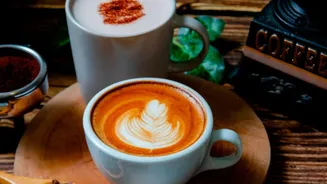
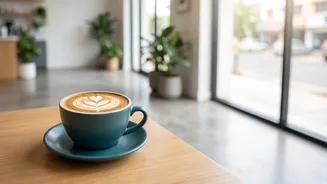
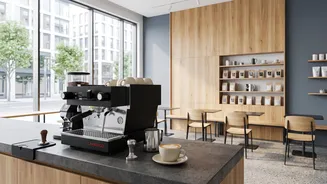
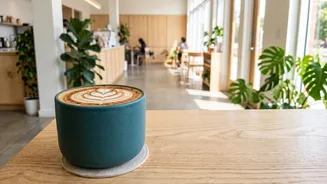
While quality coffee is central, the success of these chains lies in selling an experience. The aesthetic of the cafe, the background music, the latte art, and the overall ambiance are crucial components that appeal to a social media-savvy generation. Cafes have become popular backdrops for Instagram posts and informal meetings. This focus on experience is a key differentiator from traditional tea stalls or local coffee houses. Brands are creating community-led spaces that host events, workshops, and tastings, transforming their outlets into cultural hubs. For many young consumers, visiting a branded cafe is a lifestyle statement and a way to participate in a modern, cosmopolitan culture without leaving their city. This makes the cafe a destination in itself, fostering a sense of community and conversation.
The Strategic Playbook
The business case for expanding into smaller cities is compelling. Operating costs, particularly real estate rentals, are significantly lower than in the metros, leading to better profit margins. Furthermore, these markets often have less competition, meaning a new branded cafe can quickly capture a loyal customer base. Brands are employing a 'cluster-based' approach, opening several stores in a single region to build brand density and optimize logistics. Third Wave Coffee, for example, avoids opening single stores in new cities, instead planning for multiple outlets to establish a strong market presence. Similarly, Starbucks views its expansion into smaller cities as a key part of its long-term growth strategy in India. For homegrown specialty brands like Blue Tokai, which now has over 200 cafes, the next phase of growth is expected to focus on deeper penetration into Tier-2 markets.
The Local Impact and the Road Ahead
The arrival of large coffee chains brings both opportunities and challenges for regional cities. It creates local employment, boosts the organized retail sector, and can have a ripple effect on surrounding businesses. However, it also presents stiff competition for smaller, independent cafes that may struggle to match the marketing budgets and brand recognition of the big players. Despite this, some local entrepreneurs are thriving by focusing on unique community-driven experiences that larger chains can't easily replicate. The consensus is that India's coffee market, which is growing much faster than the global average, has enormous potential for further growth. The success of this expansion will depend on brands' ability to adapt their offerings to local tastes while maintaining the aspirational quality that makes them so attractive in the first place.