




The New Star Ingredient on the Shelf
Protein is no longer confined to the shaker bottles of gym-goers. It has officially entered the mainstream Indian kitchen. Major food companies are now fortifying everyday products, turning familiar items into high-protein variants. Think protein-enriched
atta, biscuits, breakfast cereals, chips, and even ice cream. This trend reflects a significant change in consumer mindset, where nutrition is becoming as important as taste and convenience. One of India's leading quick-commerce platforms reported a 150% surge in orders for protein-based products over the past two years, expanding its portfolio to nearly 10,000 different items to meet demand. This isn't just an urban phenomenon; while cities like Bengaluru lead, demand in Tier II cities like Nagpur, Jaipur, and Guwahati is growing over 200% faster.
Why Now? A Recipe of Health and Aspiration
Several factors are driving this protein wave. A growing health consciousness, amplified by the recent pandemic, has made consumers more aware of nutritional deficiencies. Studies indicate that a significant portion of the Indian population is protein-deficient, a gap that the food industry is eager to fill. This is coupled with rising disposable incomes and a young, health-aware demographic. Consumers are moving from simply counting calories to demanding better nutrition from their food. They are not just buying food; they are buying a lifestyle upgrade, and 'better-for-you' is the new baseline. This shift is reflected in the booming market, with projections showing India's protein-based product market could grow from around $4.58 billion in 2024 to over $16 billion by 2033.
The Business of Better Nutrition
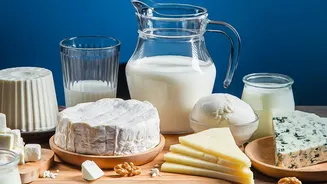
For food manufacturers, the protein trend is a golden opportunity. Fortifying a product allows them to 'premiumize' it, justifying a higher price point and potentially leading to better profit margins in a highly competitive FMCG market. It's a powerful marketing tool that differentiates a product on a crowded shelf. Major players like ITC, Amul, and Britannia are heavily investing in this space, launching everything from high-protein dahi and paneer to fortified flours and snacks. The strategy is clear: integrate protein into familiar, culturally relevant formats so consumers don't have to drastically change their eating habits to improve their nutrition. This also extends to the booming plant-based sector, with the Indian market for plant-protein ingredients expected to double in the next five years.
From Paneer to Plant-Based Peas
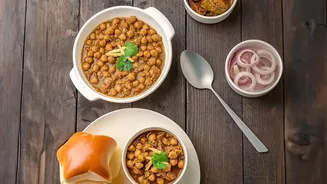
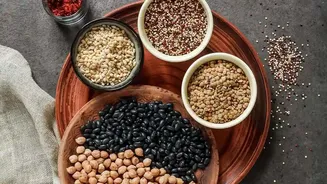
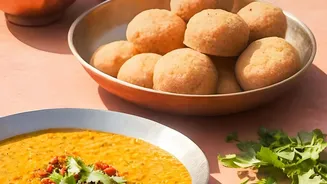
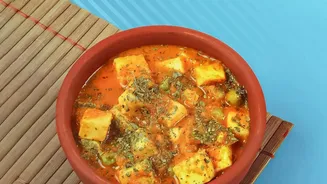
The protein upgrade is happening across all categories. Traditional high-protein staples like paneer, eggs, and roasted chana are seeing renewed popularity. At the same time, new sources are gaining ground. The plant-based protein market, featuring ingredients like soy and pea protein, is expanding rapidly. This is fuelling innovation in everything from dairy alternatives like protein-fortified yogurts and milk to meat-free kebabs and burgers. Snacks, in particular, are undergoing a major transformation. Consumers are swapping traditional fried namkeen for roasted makhana, and chocolate bars for protein bars that promise satiety and energy. The goal is to make every eating occasion, even snacking, a nutritious one.
Challenges on the Road Ahead
Despite the momentum, the path to making India a protein-sufficient nation has its hurdles. The primary challenge is cost. Fortification can increase a product's price, which can be a barrier for a large segment of the population. Another significant challenge lies in formulation. Adding protein, especially plant-based variants, can alter the taste and texture of food, and brands that fail to get this right risk losing customers. Finally, there's the issue of consumer education. While awareness is growing in urban centres, there is still a long way to go to build trust and understanding in smaller towns and rural areas, where affordability and traditional eating habits are deeply entrenched.