
When Code Meets Chaos
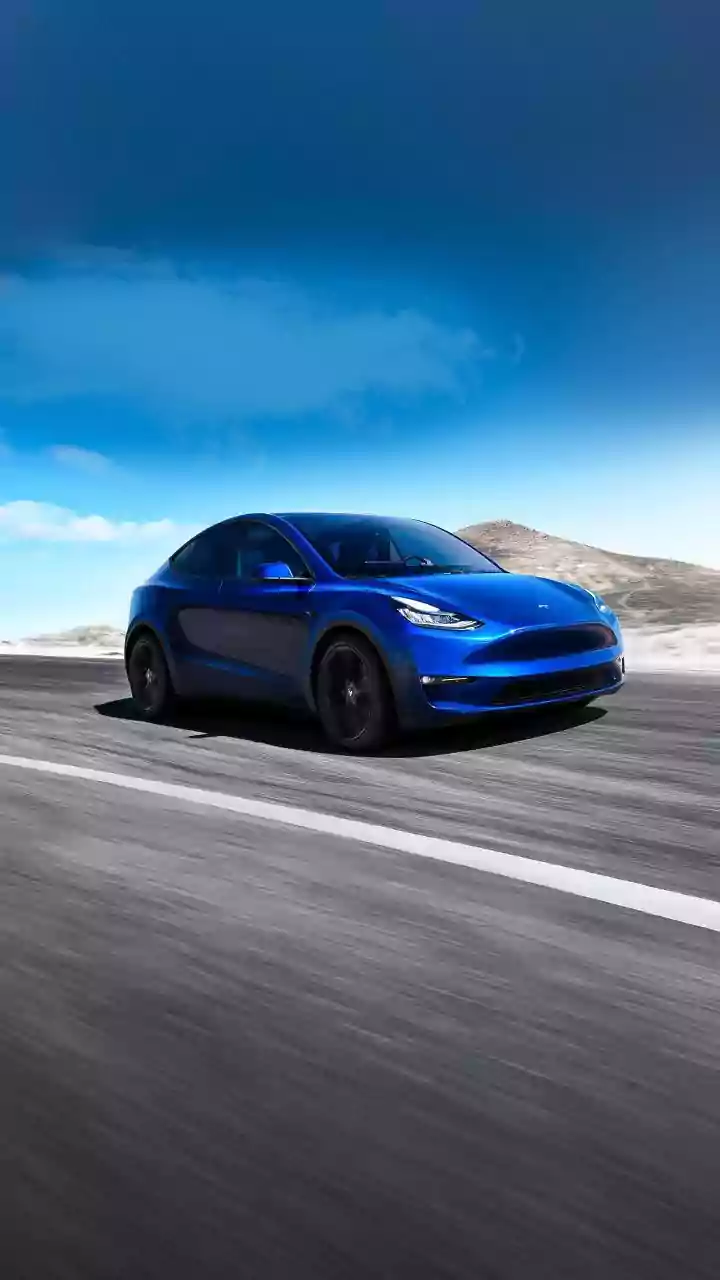
The video in question, reportedly filmed in Gurugram, shows a Tesla Model Y's central display attempting to render the surrounding environment. The screen becomes a frantic digital dance of icons representing cars, motorcycles, trucks, and pedestrians,
all jostling for space in a way that is uniquely Indian. While the system's ability to detect so many objects is technically impressive, the overall image is one of overwhelming confusion. This clip quickly became a meme, a so-called "desi reality check" for the high-tech carmaker. But beyond the humour, it raises a serious question: are advanced driver-assistance systems like Tesla's Autopilot, trained primarily on orderly Western roads, truly prepared for the unpredictable nature of Indian traffic where lane discipline is fluid and obstacles can range from stray animals to impromptu street vendors?
The Technology Perception Gap
The core of Tesla's brand is its technological prowess, particularly its leadership in autonomous driving features. However, the Gurugram video highlights a crucial perception gap. Features like Autopilot or the more advanced Full Self-Driving (FSD) are major selling points in markets like the US. In India, where regulatory approval for such systems is absent and road conditions make their use impractical, this key feature is largely disabled or relegated to a very basic driver-assist function. This turns a primary asset into a non-feature. Potential customers are being asked to pay a premium for technology that cannot be fully or safely utilised in their daily environment, a significant hurdle in a notoriously price-sensitive market.
A Mismatch in Luxury Values
Tesla's perception challenge extends beyond just its autonomous tech. The brand's definition of luxury—minimalist interiors, a massive central touchscreen, and software-first features—may not align perfectly with the expectations of the Indian luxury car buyer. In India, the luxury segment has traditionally valued rear-seat comfort, plush interiors, and a chauffeur-driven experience. A car whose main interactive element is designed for the driver, and whose ride quality can be firm on less-than-perfect roads, faces a potential disconnect. While Tesla officially launched the Model Y in India, with deliveries starting in mid-2026, it competes against established German luxury brands and aggressive new players who have a more conventional and perhaps more locally resonant take on what constitutes a premium vehicle.
An Increasingly Crowded Market
When Tesla first hinted at an India entry years ago, it was the undisputed king of the EV world. Today, the landscape is vastly different. The Indian EV market, while still nascent, is fiercely contested. Tata Motors holds a dominant position in the mass-market segment, while international brands like BYD, Kia, and Hyundai are making significant inroads. In the premium space, Mercedes-Benz, BMW, and Audi are all expanding their electric portfolios. These competitors often have the advantage of extensive dealership and service networks, a crucial factor for after-sales support that Tesla is still building from the ground up. The company's initial strategy seems to be testing the market with limited imports, which are subject to high import duties, further complicating its pricing strategy against competitors who may manufacture locally.