


From Humble Staple to Dessert Star
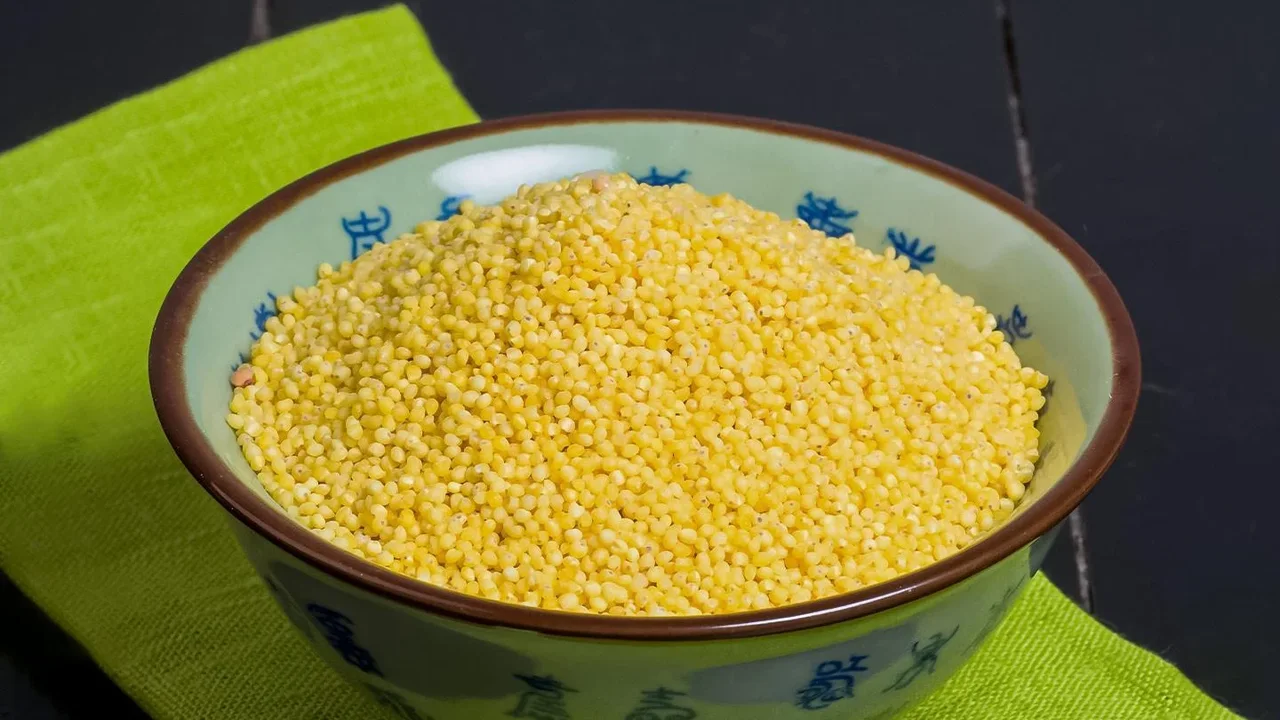
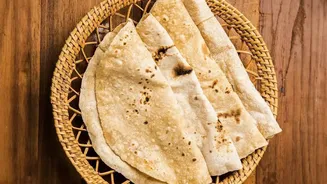
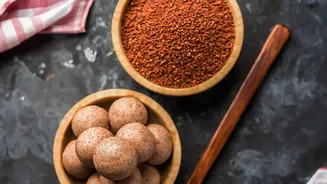
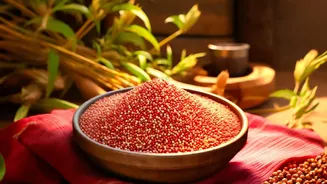
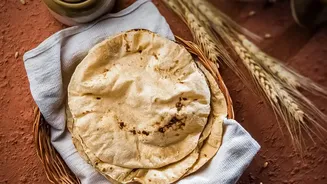
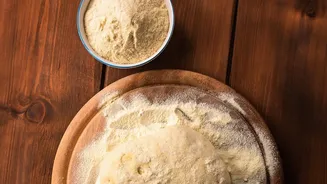
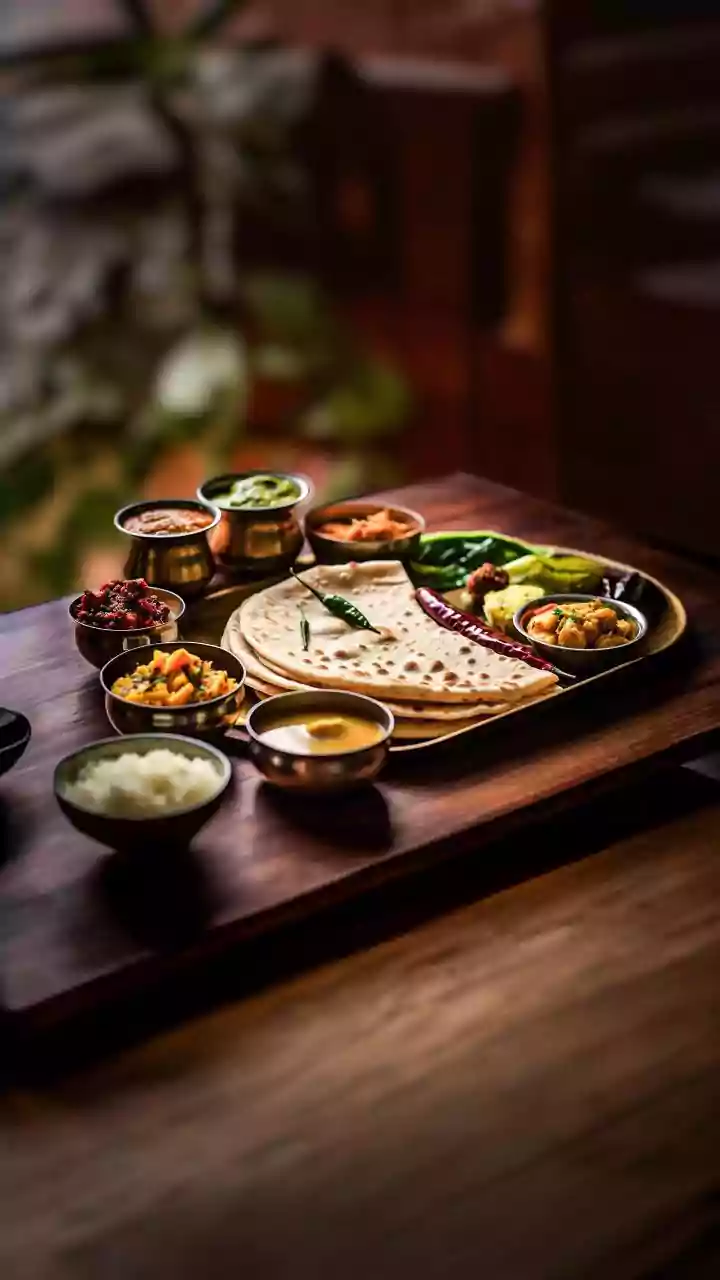
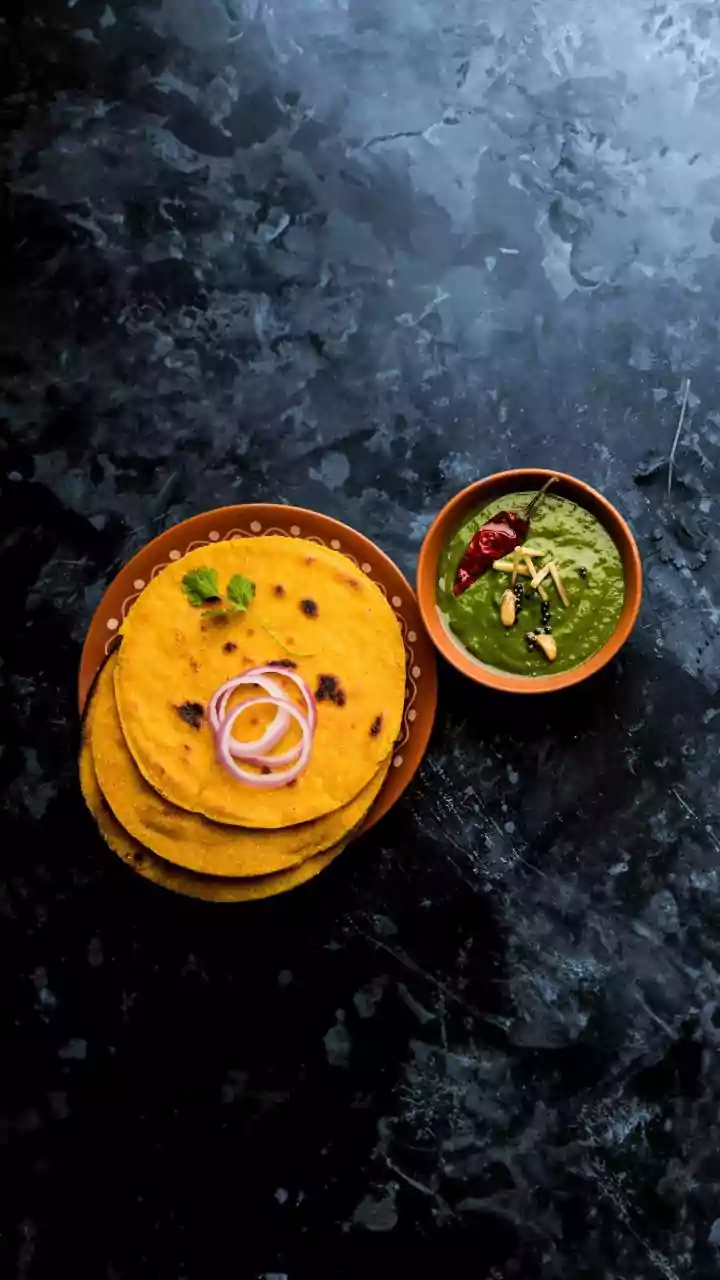
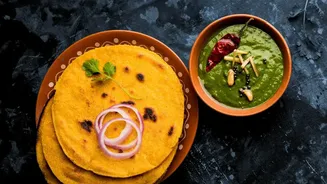
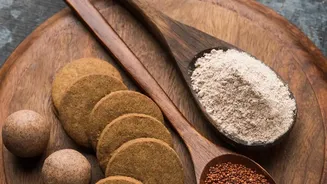
Not long ago, millets were primarily associated with rustic rotis and simple porridges. Grains like ragi, jowar, and bajra were the backbone of traditional diets, valued for their resilience and affordability. Fast forward to today, and these same grains
are the heroes of a new culinary movement: healthy desserts. Creative bakers and health-conscious home cooks are transforming millets into decadent brownies, soft cakes, and crunchy cookies. This shift is driven by a growing awareness of health and wellness, with consumers actively seeking alternatives to refined flour (maida) and sugar. The trend has been further bolstered by government initiatives like the International Year of Millets, which have successfully repositioned these grains as 'superfoods' in the public eye.
A Rich History on the Indian Plate
Before wheat and rice dominated Indian agriculture, millets were the primary source of nutrition for millennia. Archaeological evidence shows their cultivation dates back thousands of years, and ancient texts mention them as cherished grains. They were perfectly suited to India's diverse and often harsh climates, thriving in arid regions with minimal water. However, the Green Revolution in the mid-20th century, which prioritized high-yield rice and wheat to ensure food security, inadvertently pushed millets to the sidelines. They became viewed as 'coarse grains' or 'food for the poor', and many traditional recipes began to fade from urban kitchens. The current revival is not just a trend; it's a rediscovery of our ancestral food heritage.
The Great Dessert Debate: Taste vs. Texture
The central question raised by millet desserts is whether they can truly satisfy our sweet cravings. The challenges are real. Millets are gluten-free, which means they lack the protein that gives conventional baked goods their light, airy structure. This can result in desserts that are dense or crumbly. Additionally, millets have distinct, often earthy or slightly bitter flavours that can be unfamiliar in a sweet context. However, bakers have developed clever strategies to overcome these hurdles. Many blend millet flours with other flours like almond or whole wheat to improve texture. The use of binding agents like yogurt, bananas, or flax seeds helps provide moisture and structure, while sweeteners like jaggery and dates complement the natural nuttiness of the grains.
Unpacking the Nutritional Advantage
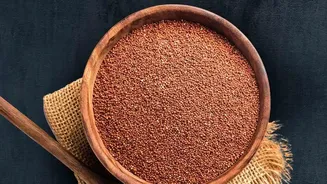
The driving force behind the millet dessert trend is undeniably their superior nutritional profile. Compared to refined flour, millets are nutritional powerhouses. They are high in dietary fibre, which aids digestion and promotes a feeling of fullness. They also have a lower glycemic index, leading to slower energy release and more stable blood sugar levels. Different millets offer unique benefits: ragi is famously rich in calcium, bajra is an excellent source of iron, and jowar is packed with protein and antioxidants. This makes millet-based treats a smarter choice for those managing lifestyle conditions or simply looking to make healthier dietary choices without completely giving up on indulgence.
Beyond the Health Halo: The Future of Millet Sweets
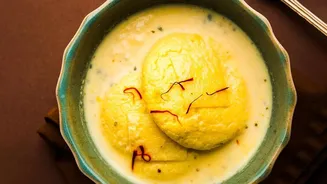
For millet desserts to have lasting appeal, they must succeed on taste, not just on their health credentials. The most innovative chefs and bakers understand this. They aren't just making substitutes; they are creating new and exciting flavour profiles. Think of ragi paired with dark chocolate, bajra with warming winter spices, or foxtail millet in a creamy kheer. Some chefs are even using fermented millets to create complex, umami-rich flavours for dessert applications. The success of this trend will depend on whether these new creations are delicious in their own right. As more people experiment, it is becoming clear that millets are not just a healthy alternative but a versatile and flavourful ingredient group that can genuinely enrich India's dessert landscape.