









The Power of Many, Not Just One
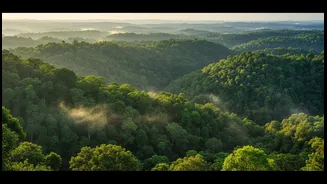
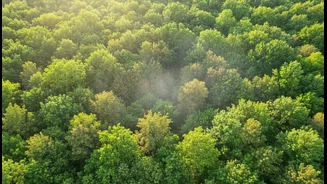
The latest science is making one thing clear: biodiversity is a superpower. A growing body of research shows that forests with a rich mix of tree species are far more effective at capturing and storing carbon than the single-species plantations, or monocultures,
that have often dominated afforestation efforts. One recent analysis found that forests with just four different species could store over 70% more carbon than a monoculture. Another major study revealed that functionally diverse forests can enhance the amount of carbon stored in the soil by up to 32%. This isn't just about the number of trees, but the variety of functions they perform. Different species have different root depths, canopy shapes, and growth rates, allowing them to collectively use resources like light, water, and nutrients more efficiently. This leads to more overall biomass growth, and consequently, more carbon locked away in both wood and soil.
Smarter Afforestation for a Greener India
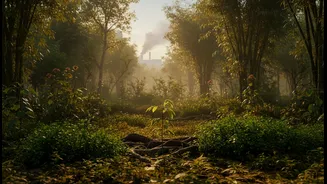
These findings have profound implications for India's ambitious greening goals, including its aim to create an additional carbon sink of 2.5 to 3 billion tonnes of CO2 equivalent by 2030. For years, afforestation projects have sometimes prioritised fast-growing, single-species plantations for their apparent simplicity. However, the new evidence strongly suggests a shift in strategy is needed. Prioritising mixed-species plantations using native trees is not just a 'nice to have' for biodiversity; it is a more effective climate mitigation strategy. Diverse forests are also more resilient. They are better equipped to withstand threats like pests, diseases, and extreme weather events linked to climate change, such as droughts or floods. This resilience ensures that the carbon they store remains locked away for the long term, making them a more secure investment in our planet’s future. As India expands its forest cover, focusing on 'reforestation'—restoring native, diverse ecosystems—over simply planting trees will be key.
A New Lens for Conservation
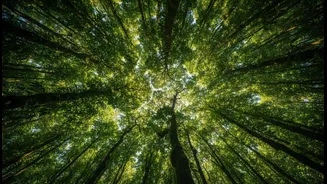
Conservation efforts also stand to benefit from this deeper understanding. It's no longer enough to just protect an area of forest; we must also protect its complexity. The research highlights that the capacity of a forest to resist and recover from disturbances is directly dependent on its biodiversity at multiple scales—from genes and species to the entire landscape. This includes not just the trees, but the animals that play critical roles in seed dispersal. Recent studies have shown that healthy populations of seed-dispersing animals can dramatically increase the carbon absorption of regrowing tropical forests. For Indian conservation, this means prioritising the protection of intact, primary forests, which are massive storehouses of both carbon and biodiversity. It also means ensuring that corridors between habitats are maintained, allowing the full suite of species to thrive and contribute to a resilient, carbon-rich ecosystem.
Recalibrating Our Carbon Budgets
Accurately counting carbon is the bedrock of climate policy, and these findings could lead to a significant recalibration. National carbon budgets rely on estimates of how much CO2 our forests and lands can absorb. If biodiverse forests are substantially better at this job, our accounting methods need to reflect that. This more nuanced data will allow for more precise planning and help countries like India better track progress towards their Nationally Determined Contributions under the Paris Agreement. However, some recent studies also add a note of caution, showing that in warmer, drier conditions, some trees may continue to photosynthesise without actually converting that carbon into long-term storage in wood. This complexity underscores the need for robust, on-the-ground monitoring and integrated policies that don't just count trees, but measure the health and diversity of the entire forest ecosystem to ensure our climate calculations are as accurate as possible.