




The Myth About Water and Digestion
A persistent myth suggests that drinking water during meals dilutes stomach acid and digestive enzymes, hindering the breakdown of food. However, scientific consensus from experts at institutions like the Mayo Clinic says this is false. Your digestive system
is incredibly adaptive and robust; it can adjust its secretions to handle both liquids and solids simultaneously. In fact, water is essential for digestion. It helps break down food, transport nutrients, and prevent constipation by keeping everything moving smoothly through your system. Far from being harmful, sipping water with a meal or snack can actually aid the digestive process.
The Peanut's Potent Composition
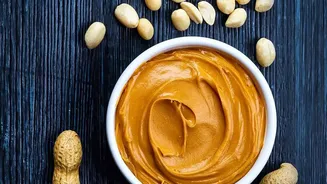
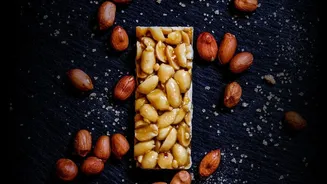
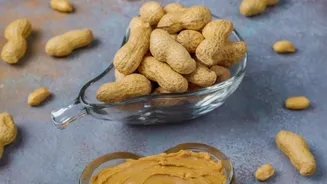
To understand why peanuts can cause trouble, we need to look at what they're made of. Botanically a legume, peanuts are packed with protein, healthy fats, and a significant amount of dietary fibre. While these components are beneficial, they can also be challenging to digest. High-fat and high-fibre foods spend more time in the digestive tract, which can increase the likelihood of gas and bloating for some individuals. Furthermore, peanuts contain compounds like lectins and phytates, which can mildly irritate the intestinal lining in sensitive people. Roasting can help reduce these compounds, but for some, the inherent makeup of a peanut is simply tough on their system.
Your Gut's Unique Blueprint
The most significant factor determining how you handle peanuts is your personal gut microbiome—the trillions of bacteria living in your digestive tract. This internal ecosystem is as unique as a fingerprint. These microbes are responsible for breaking down substances your body can't, like certain fibres and complex carbohydrates found in peanuts. Studies show that eating peanuts can promote the growth of beneficial bacteria, such as those from the Ruminococcaceae family, which are linked to a healthy gut. However, if your gut lacks diversity or the specific strains needed to process these components efficiently, you're more likely to experience symptoms like gas and bloating as other bacteria ferment the undigested food.
The Role of FODMAPs and Sensitivities
For those with Irritable Bowel Syndrome (IBS) or other digestive sensitivities, peanuts can be a trigger due to their FODMAP content. FODMAPs are types of short-chain carbohydrates that are poorly absorbed in the small intestine. When they travel to the large intestine, gut bacteria ferment them, producing gas that leads to bloating, cramping, and pain. While peanuts are considered a low-FODMAP food in small portions (around 30 grams), larger amounts can stack up and cause symptoms, especially when eaten with other FODMAP-containing foods. This explains why one person can eat peanut butter by the spoonful with no issues, while another feels discomfort after just a small handful.
Listening to Your Body
Ultimately, digestive comfort is highly individual. While water timing is not the culprit, factors like portion size, additives in processed peanut products, and your unique gut health play a crucial role. If you experience discomfort, try reducing your portion size or choosing natural peanut butter without added sugars and oils. Keeping a food diary can help you identify patterns and understand your personal tolerance threshold. It's also important to distinguish between a food intolerance, which causes digestive upset, and a true peanut allergy, which is a serious immune reaction that requires immediate medical attention.