




A Connection to the Past
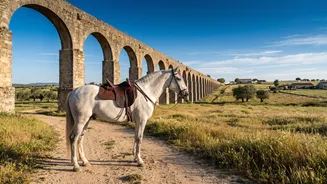
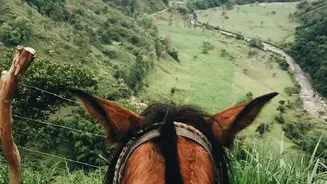
Exploring Portugal's historical landscapes on horseback is more than just a novel way to travel; it's an exercise in time travel. The pace is slower, more deliberate, allowing you to absorb the scenery and the weight of history around you. You're not
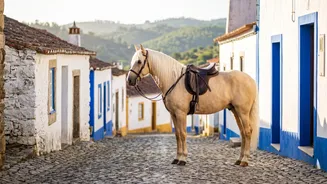
just seeing the past from a distance; you are moving through it in the same way its inhabitants once did. This immersive experience forges a powerful connection to the ancient Roman roads, medieval smuggling trails, and prehistoric sites scattered across the country. The native Lusitano horse, a breed celebrated for its gentle nature and intelligence, often serves as your noble companion on these journeys, adding another layer of authentic Portuguese culture to the adventure.
The Historic Heart of Alentejo
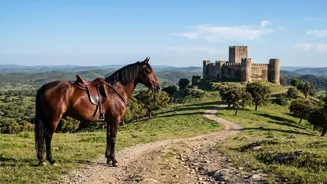
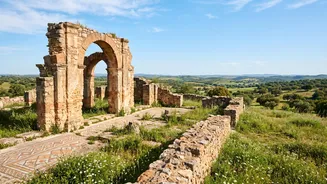
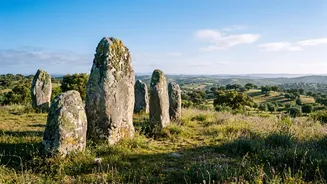
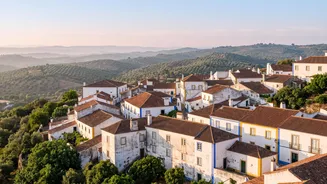
The Alentejo region, a vast and sun-drenched expanse in southern Portugal, is arguably the epicentre of equestrian tourism. Its rolling hills are dotted with cork forests, olive groves, and, most importantly, a wealth of historical treasures. Riders can follow ancient trails leading to Roman ruins near Évora or visit the impressive medieval village of Monsaraz, a hilltop fortress with sweeping views of the Alqueva dam. Several tour operators offer multi-day treks where you stay in beautifully renovated traditional estates, or 'herdades'. The region is also famous for its megalithic monuments, some of the most significant in Europe, allowing you to ride from a 14th-century battlefield to a 6,000-year-old stone circle in a single day.
Medieval Villages and Mountain Trails
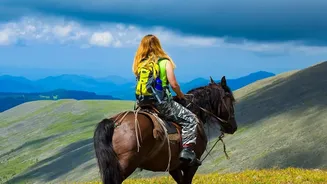
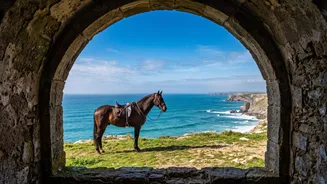
Further north, the landscape becomes more rugged, offering a different kind of historical adventure. The Peneda-Gerês National Park, near the Spanish border, is home to wild Garrano horses, and trails here lead through remote mountain villages where time seems to stand still. You can ride along old pilgrimage routes and paths once used to transport villagers to distant cemeteries. Another highlight is exploring the 'Aldeias Históricas' or Historical Villages, a collection of fortified settlements like Marvão and Castelo de Vide. These villages, with their intact 13th-century walls and narrow medieval archways, are often accessed by the very smuggling trails used for centuries, offering both a thrilling ride and a tangible link to a storied past.
Know Before You Saddle Up
While the idea is romantic, a little preparation goes a long way. Many tours cater to various skill levels, from complete beginners to experienced equestrians, so it's crucial to be honest about your abilities. Outfitters often use the comfortable and secure traditional Portuguese saddle. Rides can range from a few hours to week-long progressive trails where your luggage is transported between nightly stops. Spring is a particularly beautiful time to visit, as the countryside erupts in a riot of wildflowers. Always research your tour operator to ensure they prioritise the welfare of their horses and can provide a guide knowledgeable in the region's rich history and archaeology.