






From Fad to Foundation: Why Fibre is Gaining Traction
For years, the nutrition conversation was dominated by macronutrients: carbs, proteins, and fats. But a significant shift is underway. Indian consumers are becoming more discerning, looking beyond the basics to understand how food truly impacts their
long-term wellness. This growing health consciousness, accelerated in recent years, has sparked a keen interest in functional ingredients, with dietary fibre emerging as a frontrunner. Market reports covering 2026 trends indicate that gut health is a primary driver of consumer choices, with shoppers actively seeking products that offer clear benefits like high fibre content. This isn't just about avoiding processed foods; it's about actively choosing ingredients that nourish the body from within. The focus on fibre signals a mature, sustainable approach to health that values internal balance over fleeting diet fads.
The Gut-Health Connection
So, what’s all the fuss about? It boils down to our gut microbiome—the trillions of bacteria living in our digestive system. Fibre is essentially a prebiotic, meaning it’s the food for these good bacteria. There are two main types: soluble fibre, which dissolves in water to form a gel-like substance, and insoluble fibre, which adds bulk to stool. A healthy gut, fed by a variety of fibres, doesn't just mean better digestion and less bloating. It's linked to a stronger immune system, improved nutrient absorption, better blood sugar control, and even a more balanced mood. When our good gut microbes thrive, they produce compounds that reduce inflammation and support our overall metabolic health, making fibre a cornerstone of holistic well-being.
Back to Our Roots: India's Fibre-Rich Heritage
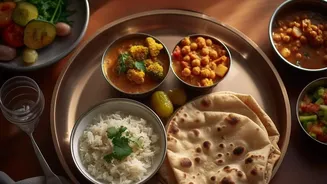
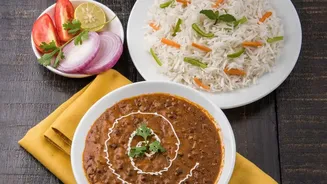
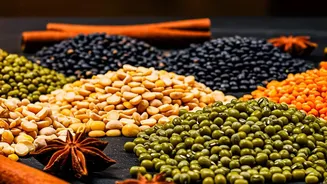
The exciting part is that embracing this trend doesn't require a pantry overhaul with exotic, imported goods. In fact, it’s a return to the wisdom of traditional Indian cuisine. Our culinary heritage is naturally abundant in high-fibre foods. Think of millets like jowar, bajra, and ragi, which are making a huge comeback. Consider our vast array of lentils and legumes—from moong dal and chana to rajma—which are staples in every household. And let's not forget the incredible diversity of our seasonal vegetables, from leafy greens like spinach and fenugreek to gourds and beans. This movement is less about discovering something new and more about re-appreciating the powerful, nutrient-dense ingredients that have always been a part of our plates.
Easy Ways to Boost Your Fibre Intake
Incorporating more fibre into your diet can be simple and delicious. The key is to make small, consistent swaps rather than drastic changes. Start by replacing polished white rice with brown rice, quinoa, or millets in a few meals a week. Ensure at least half your plate is filled with vegetables; add a generous portion of sabzi, a kachumber salad, or mix finely chopped veggies into your upma or poha. Choose whole fruits like guava, apples, and bananas over juices to retain all the fibrous goodness. Snack on nuts, seeds, and roasted chana instead of processed snacks. And finally, embrace the full spectrum of Indian pulses and beans; they are an excellent source of both fibre and protein that keeps you feeling full and satisfied.
Beyond Digestion: The Other Benefits of a High-Fibre Diet
The advantages of a fibre-rich diet extend far beyond just keeping you regular. Because high-fibre foods are more filling, they play a crucial role in weight management by promoting satiety and preventing overeating. Soluble fibre, found in oats, beans, and certain fruits, can help lower cholesterol levels. Furthermore, fibre slows the absorption of sugar into the bloodstream, which is vital for managing and preventing blood sugar spikes, making it particularly beneficial for those with diabetes. Some studies even suggest a link between high dietary fibre intake and a reduced risk of certain chronic diseases and increased longevity. It's clear that by focusing on this single nutrient, you're actually supporting your cardiovascular health, metabolic balance, and long-term vitality.