





Beyond Perks to Purpose
The days of attracting talent with a ping-pong table and free snacks are fading. While those perks were aimed at millennials, the new cohort of graduates, often dubbed Gen Z, is looking for something more substantial. They are digital natives who grew
up with flexibility and are deeply motivated by purpose, well-being, and growth. As a result, companies are moving beyond superficial benefits and investing in foundational changes. The new office is less about novelty and more about creating an environment that supports a healthier, more flexible, and more meaningful work life. This generation is not just looking for a job; they are looking for a workplace that aligns with their values and offers opportunities for connection and mentorship.
Designed for Hybrid Work
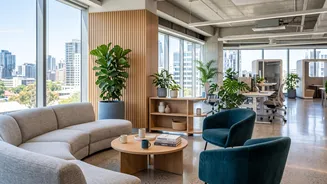
The post-pandemic era has cemented hybrid work as the new normal, and offices are being redesigned to reflect this reality. The assumption is no longer that every employee will be present five days a week. This has led to a decline in traditional assigned seating and a rise in 'hot-desking' or 'hoteling', where employees can reserve a desk or workspace as needed. The focus is shifting from individual workstations to a variety of communal and collaborative spaces. Modern offices now feature a mix of open lounges for informal meetings, soundproof 'huddle rooms' for quick team check-ins, and private pods for focused work or video calls, ensuring the office serves its new purpose as a hub for interaction.
Seamless Technology Integration
For a generation that expects seamless connectivity in their personal lives, outdated office tech is a major point of friction. Companies are investing heavily to create a 'smart office' where technology is invisibly integrated into the environment. This goes beyond just fast Wi-Fi. We're talking about AI-powered meeting rooms with advanced video conferencing that makes remote participants feel included, interactive digital whiteboards for brainstorming, and integrated apps for booking desks and meeting spaces. Furniture itself is becoming tech-friendly, with built-in charging ports and smart desks that remember height preferences. The goal is to remove technological frustrations and create a frictionless workflow that allows employees to move smoothly between different tasks and spaces.
Wellness and Sustainability Take Centre Stage
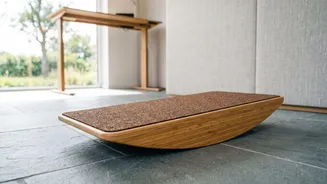
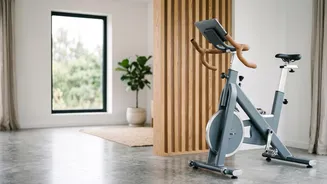
Recent graduates are acutely aware of issues like burnout and climate change, and they expect their employers to care too. This has made wellness and sustainability core pillars of modern office design. Biophilic design, which incorporates natural elements like plants, natural light, and wood, is being used to reduce stress and improve creativity. There is a greater emphasis on indoor air quality, ergonomic furniture to support physical health, and the creation of quiet zones for mental recharge. Furthermore, a visible commitment to sustainability, through the use of recycled materials and energy-efficient systems, is becoming a key factor in attracting young talent who want to work for socially responsible companies.
The Office as a Cultural Hub
If individual focused work can be done from anywhere, what is the office for? The emerging consensus is that the physical workplace is primarily for building culture, community, and connection. It's a space for the spontaneous interactions, mentorship opportunities, and collaborative energy that are difficult to replicate remotely. Office designs now intentionally foster these connections, with hospitality-inspired social spaces like high-quality cafes, comfortable lounges, and communal tables that encourage informal interactions. By transforming the office into a desirable destination rather than an obligation, companies are giving employees a compelling reason to make the commute and invest in the company's collective culture.