



The Heart of the Electric Beast
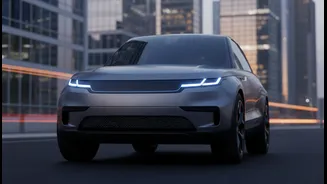
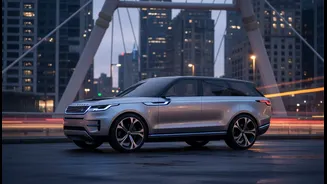
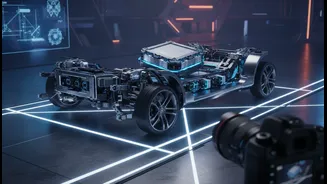
At the core of the upcoming Range Rover Electric is its enormous 118.5kWh (usable capacity) battery pack. This isn't just a big number; it's a strategic decision to address the fundamental expectations of a Range Rover owner: effortless performance and
long-distance comfort without compromise. While official range figures are still being finalized, the company is targeting a range that will be competitive with other premium electric SUVs, with some estimates suggesting around 530 km. The battery itself uses an NMC (nickel manganese cobalt) chemistry and is assembled in the Midlands, a key part of JLR's plan to bring battery production in-house. Its substantial size is a clear signal that Land Rover is prioritizing capability over chasing the lowest possible weight, aiming to deliver a true Range Rover experience in electric form.
Effortless Power, Silent Performance
Land Rover has been clear about its performance targets: the new electric model must feel as potent as the current V8-powered Range Rovers. To achieve this, it will use a dual-motor setup, providing all-wheel drive and a significant power output estimated to be around 542 horsepower with 850Nm of torque. This electric powertrain offers the benefit of instant torque, a characteristic that is hugely advantageous for both swift on-road acceleration and precise, controlled power delivery in challenging off-road conditions. Prototypes have been praised for their quiet and refined operation, even while navigating difficult terrain, which promises to elevate the brand's signature luxury experience to a new, near-silent level.
Charging into the Future
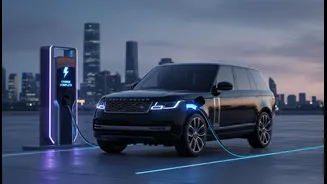
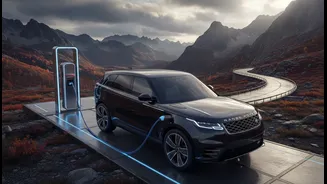
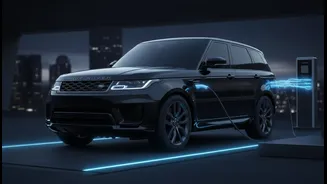
To complement its massive battery, the Range Rover Electric will feature an advanced 800-volt electrical architecture. This technology, currently found on high-end EVs from brands like Porsche, allows for significantly faster charging speeds. When connected to a compatible 350kW DC rapid charger, the vehicle is expected to charge from 10% to 80% in approximately 20 minutes. This rapid charging capability is crucial for making long-distance travel practical and convenient, reducing downtime on road trips. The system is also designed to be clever; if plugged into a more common 400-volt charger, it can effectively split the battery into two virtual 400-volt packs and charge them in parallel to maintain efficiency.
An Unmistakable Off-Road Promise
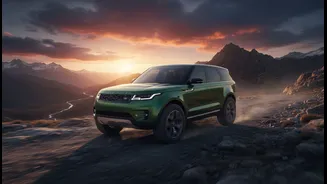
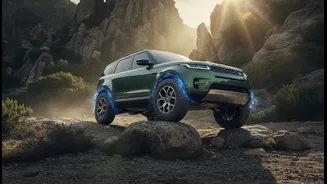
A key question for enthusiasts is whether the electric model will live up to the brand's legendary go-anywhere reputation. Land Rover has been emphatic that it will. The company is targeting a wading depth of 850mm (about 33.5 inches), a figure that would put it among the most capable luxury electric SUVs on the market. The vehicle is undergoing rigorous testing in extreme temperatures and on all types of terrain to ensure its durability and performance. The instant and precise control of electric motors, combined with a new traction control system, is expected to enhance its off-road prowess even further, allowing it to conquer steep inclines and challenging surfaces with confidence.
The New Electric Luxury Battlefield
The Range Rover Electric will not enter an empty arena. It will face stiff competition from established players in the large luxury electric SUV segment, including the BMW iX, Mercedes-Benz EQS SUV, and the Cadillac Escalade IQ. While some rivals may offer slightly more range from smaller batteries, Land Rover is positioning its contender as the ultimate blend of opulence, refinement, and genuine all-terrain capability. Its success will hinge on its ability to convince loyal customers and new buyers alike that an electric powertrain does not dilute the core DNA of a Range Rover, but enhances it. With tens of thousands of customers already on the waiting list, the initial interest appears strong.