


A Landmark Project Nears Reality
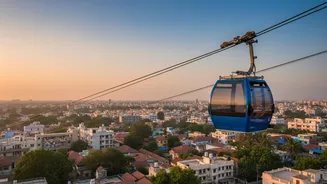
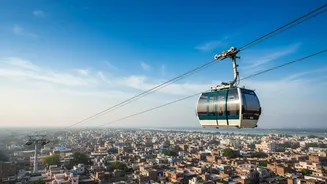
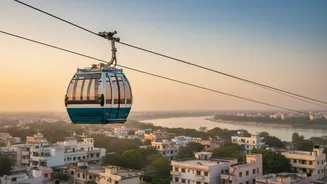
The Kashi Ropeway is a pioneering infrastructure project designed to alleviate the chronic traffic congestion in one of India's most ancient and visited cities. The 3.8-kilometre aerial corridor will connect Varanasi Cantonment Railway Station to Godowlia
Chowk, a key hub near the Kashi Vishwanath Temple. This will slash a journey that can take up to an hour by road to a mere 16 minutes. With trial runs underway and a launch anticipated in 2026, the focus now shifts from construction to operational readiness. Developed by National Highways Logistics Management Limited (NHLML) with technology from Swiss experts Bartholet, it represents a major leap in urban mobility planning for heritage cities. But getting the 150-odd gondolas flying smoothly is only half the battle. The real challenge lies in integrating this modern system into the city's complex human fabric.
Beyond Engineering: The Human Factor of Queues
The ropeway is projected to handle a staggering capacity of up to 6,000 passengers per hour, or nearly a lakh per day. This volume makes queue management one of the most critical aspects to be tested. The system must cater to a diverse mix of users: daily commuters rushing to work, large families on holiday, and thousands of pilgrims, many of whom may be elderly or unfamiliar with such a transport system. The trial runs must simulate peak-hour rushes and festive season crowds to iron out potential bottlenecks. Spacious holding areas are being built into the five stations, but their effectiveness depends on a well-drilled crowd management plan. The trials need to test everything from ticketing and entry protocols to the flow of passengers towards the boarding points. A seamless, stress-free experience on the ground is just as important as the smooth journey in the air.
Seamless Boarding for All
Each ten-seater cabin will arrive at stations every few minutes, requiring a swift and efficient boarding and deboarding process. Trials must rigorously test procedures to ensure accessibility for everyone, including passengers with disabilities, senior citizens, and families with young children. The design must prevent chaos at the platform edge, ensuring that those exiting have a clear path away from those waiting to board. Staff will need to be trained to manage the flow, provide clear instructions, and assist those who need extra time or support. This isn't a tourist ride at a hill station; it is a mass rapid transit system. Therefore, the boarding process must be as disciplined and routine as boarding a metro train, while still accommodating the unique needs of Varanasi's diverse passenger profile. A successful trial will prove the system is not just fast, but also inclusive and user-friendly.
The Non-Negotiable Emergency Drill
For any public transport system, but especially one suspending passengers high above a bustling city, safety is paramount. The Kashi Ropeway is reportedly being built to high international safety standards, with officials confirming a three-tier rescue mechanism. These are not just theoretical plans; they must be tested in real-world scenarios. Drills need to simulate a range of emergencies: a sudden power outage, a medical issue inside a cabin, or operations during adverse weather. Rescue protocols, including vertical evacuation, must be practised until they are flawless. Furthermore, each major station is planned to be equipped with medical rooms, trained staff, and ambulance services, with tie-ups to nearby hospitals. Testing the response time and coordination of these medical facilities during a simulated emergency is a crucial component of the trials. Public confidence will be built on the assurance that a robust, well-rehearsed emergency plan is firmly in place.
Setting a National Precedent
As India's first urban ropeway, the Kashi project is not just for Varanasi; it is a blueprint for the future of mobility in congested cities across the country. The government's Parvatmala Pariyojana program aims to develop ropeways in other regions, making the lessons learned here invaluable. How Varanasi’s system handles crowd flow, ensures accessibility, and guarantees passenger safety will inform the design and operation of all future projects. A successful and thorough trial period will demonstrate the viability of ropeways as a sustainable, efficient, and safe solution for India's urban transport challenges. Getting these operational details right from the start will set a high standard and pave the way for a new era in public transit.