







The Risk of a Single Stronghold
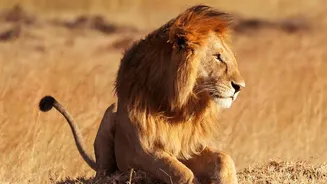
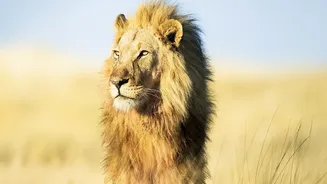
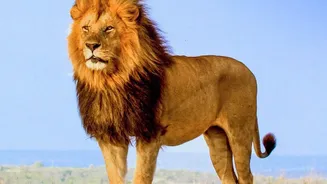
For over a century, the Gir forest in Gujarat has been the only wild home for the Asiatic lion. Thanks to dedicated conservation, their numbers have impressively grown to nearly 900. However, this success story carries a hidden danger. Concentrating an entire
species in one location makes it extremely vulnerable to unpredictable disasters. A single disease outbreak, like the canine distemper virus that has threatened the population before, a large forest fire, or a natural calamity could have devastating consequences, potentially wiping out a significant portion of the species. Experts have long warned that this 'all eggs in one basket' approach is a serious conservation risk, making the establishment of a second, geographically separate population a top priority.
Enter Barda: A Home After 144 Years
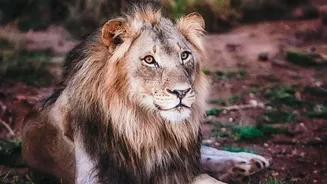
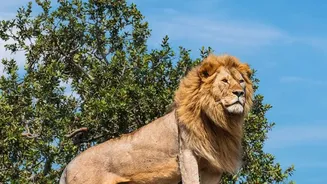
Located about 100 kilometres from Gir, the Barda Wildlife Sanctuary is emerging as the answer to this challenge. Spread across 192 square kilometres in the Porbandar and Devbhumi Dwarka districts, Barda was historically part of the lions' range until they disappeared from the area in 1879. Now, after an absence of 144 years, lions are returning. The journey began in 2023 with the natural dispersal of a male lion into the sanctuary, a testament to years of habitat restoration work. Following this, the Gujarat Forest Department introduced five females to help establish a new population. As of 2025, Barda was home to a growing pride of 17 lions, including 11 cubs, officially marking it as a second home under the central government's 'Project Lion'.
Creating a Suitable Habitat
Making Barda ready for lions has been a meticulous process. A crucial step is ensuring a sufficient food source. The forest department has been actively working to increase the prey base by translocating hundreds of spotted deer (chital) and sambar from Gir and breeding them in dedicated centres. This has already shifted the lions' diet; wild prey like wild pig, sambar, and nilgai now make up a majority of their food. Furthermore, efforts are underway to improve the habitat by developing grasslands, undertaking soil and water conservation measures, and removing invasive plant species. The government has also announced a financial package to encourage the voluntary relocation of local pastoral communities, known as Maldharis, to reduce human pressure on the sanctuary's core areas.
Why Barda is the Right Choice
Barda wasn't chosen by chance. Scientific assessments have confirmed its potential as a long-term stronghold for lions. Its rugged terrain, mixed forests, and grasslands mirror the landscape of Gir, providing a familiar environment for the big cats. Its relative proximity to Gir allows it to function as a natural corridor, creating a population buffer for lions that disperse from the main landscape. Studies tracking the newly introduced lions via radio collars show that they have settled in well, establishing home ranges and preferring the forest and grassland areas. The sanctuary's rich floral diversity, which includes many medicinal plants, adds to its ecological significance.
The Road Ahead for Lion Conservation
The establishment of a lion population in Barda is a landmark step, but the work is far from over. Proactive management will be essential to ensure its success. This includes continued monitoring of the lion and prey populations, mitigating potential human-lion conflict as the population grows, and maintaining the habitat quality. While some early reports raised concerns about Barda's carrying capacity, ongoing habitat improvements and prey augmentation are designed to address this. The development of Barda is a core component of Project Lion, a comprehensive initiative aimed at securing the species' future through scientific management and community participation.