





A Slice of Bengal in the Capital
For five days, parts of the national capital transform into a vibrant cultural hub, mirroring the festive energy of West Bengal. Driven by a large and long-established Bengali community, Delhi's Durga Puja has evolved from small community gatherings into a festival
of immense scale and artistry. This celebration is more than just an event; it's a testament to a community that has carefully preserved its traditions while embracing the multicultural fabric of the city. While Kolkata's festivities are inscribed on UNESCO's list of Intangible Cultural Heritage, Delhi offers an experience that is just as immersive and spectacular, making it a compelling destination for those seeking an authentic Pujo experience without the long journey east.
The Heartbeat of Pujo: Chittaranjan Park
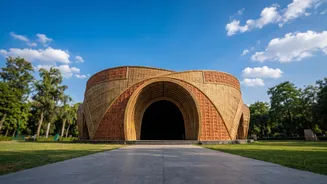
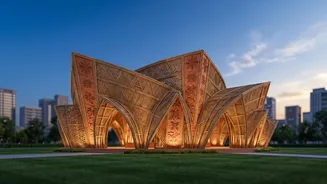
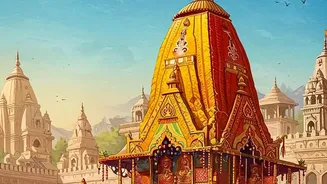
Often called 'mini Bengal' or 'mini Kolkata', Chittaranjan Park (CR Park) in South Delhi is the undisputed epicentre of Durga Puja in North India. The neighbourhood, established for Bengali families who migrated after Partition, comes alive with the sound of the dhak (traditional drums), the fragrance of incense, and the sight of magnificent pandals. Major committees like those at the Co-operative Ground, Mela Ground, and the Kali Mandir Society compete to create the most breathtakingly creative pandals, with themes ranging from famous temples to modern art installations. Lakhs of visitors throng the streets, hopping from one pandal to another, creating an electrifying atmosphere of devotion and celebration that lasts late into the night.
Beyond CR Park: Other Iconic Pandals
While CR Park may be the main draw, Delhi's Pujo map extends far beyond. The oldest community puja in the city, held at Kashmere Gate since 1910, offers a deeply traditional experience. Known for its classic idol and rituals, this samiti famously carries its idol for immersion on a bullock cart, a practice unique in the capital. For those seeking grandeur, the Arambagh Puja Samity is known for its high-budget, extravagant pandals that often rival those in Kolkata. Other must-visit locations include the serene Matri Mandir in Safdarjung Enclave and the vibrant community pujas in Mayur Vihar, each offering its own unique flavour of the festival.
A Feast for the Senses
Durga Puja is as much a culinary carnival as it is a religious festival. The experience is incomplete without indulging in the food. Every afternoon, pandals serve 'bhog'—a blessed community meal typically consisting of khichuri (a rice and lentil dish), labra (a mixed vegetable curry), and payesh (rice pudding). As evening descends, the areas around the pandals transform into bustling food streets. Stalls from famous eateries like Bijoli Grill serve up Bengali specialities. Visitors can feast on everything from fish fry and mutton chops to kathi rolls and puchkas. For those with a sweet tooth, sandesh, rasgulla, and mishti doi are essential treats.
A Traveller’s Guide to Pandal Hopping
Navigating Delhi during Durga Puja is an adventure in itself. The main festivities take place from Shashthi to Dashami, which in 2026 fall between October 16 and 21. To avoid the inevitable traffic, the Delhi Metro is your best friend; the Nehru Place and Greater Kailash stations provide easy access to CR Park. While pandals are open all day, they truly come alive in the evenings when the cultural programs begin and the crowds swell. Ashtami (the eighth day) is particularly significant, with special prayers and a large turnout for the morning rituals. Be prepared for large crowds, wear comfortable footwear, and immerse yourself in the vibrant chaos that makes Durga Puja in Delhi an unforgettable experience.