

A Nutritional Powerhouse in Your Pantry
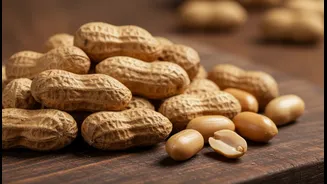
Before we even get to the crunch, it’s worth appreciating the peanut for its impressive nutritional profile. Technically a legume, peanuts are packed with plant-based protein, boasting around 25 grams per 100-gram serving. This makes them a fantastic
ingredient for anyone looking to increase their protein intake, particularly for those on vegetarian or vegan diets. Beyond protein, peanuts are a rich source of healthy monounsaturated and polyunsaturated fats, which are known to support heart health. They also provide essential nutrients like vitamin E, magnesium, and fiber, contributing to everything from cell protection to feeling fuller for longer. This combination of protein, fat, and fiber is what makes peanuts so satiating and a smart addition to any balanced diet.
The Magic of Texture and Crunch
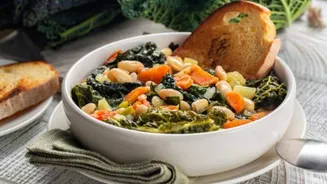
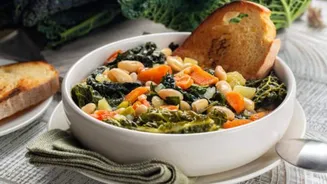
One of the easiest ways to make a meal more exciting is by introducing a variety of textures, and peanuts are a master of this. Whole or roughly chopped roasted peanuts can instantly elevate a dish with a satisfying crunch. Sprinkle them over noodle dishes like Pad Thai, toss them into salads for a surprising bite, or use them to top a creamy soup. The textural contrast between the soft or yielding elements of a dish and the firm crunch of a peanut can make every bite more interesting. For a finer texture that still provides a bit of grit, crushing peanuts works wonderfully as a coating for chicken or fish before baking or pan-frying. This method creates a nutty, flavourful crust that also helps to keep the protein inside moist and tender.
Beyond the Crunch: Creamy and Versatile Forms
The versatility of peanuts extends far beyond their whole form. Peanut butter, for instance, is a brilliant thickening agent for sauces and stews. A spoonful can add richness, flavour, and a velvety consistency to everything from a Thai-style curry to a vegan chili. It binds ingredients together while imparting a deep, savoury note. Another increasingly popular option is powdered peanut butter. This product is made by pressing roasted peanuts to remove most of the oil, resulting in a fine powder that is lower in fat and calories but still high in protein. It can be reconstituted with water to create a low-fat spread or added directly into smoothies, oatmeal, or baked goods for a protein kick without altering the texture too much.
Simple and Creative Culinary Uses
Integrating peanuts into your cooking doesn't require a complete menu overhaul. Start small. A handful of chopped peanuts over your morning oatmeal or yogurt provides a protein and crunch boost to start your day. For lunch, a simple vegetable stir-fry can be transformed by adding peanuts in the final moments of cooking. They add a toasty flavour and satisfying texture that complements everything from broccoli to bell peppers. In Asian cuisine, peanut-based sauces are a staple for a reason; they are delicious and easy to make. A simple sauce of peanut butter, soy sauce, lime juice, and a touch of honey can be used for dipping spring rolls, dressing a noodle salad, or drizzling over grilled skewers. Don't be afraid to experiment—peanuts pair well with both sweet and savoury flavours.
A Note on Allergies
While peanuts are a wonderful ingredient for many, it is crucial to be aware of peanut allergies, which can be severe and life-threatening. When cooking for others, always make sure to ask about any allergies beforehand. If you are preparing food in a kitchen that needs to be free of allergens, ensure all surfaces, utensils, and containers are thoroughly cleaned to avoid any cross-contamination. Being mindful and communicative is key to ensuring everyone can enjoy their food safely.