





The Foundation: Nutrient-Rich Sweet Potato
Often hailed as a superfood, the humble sweet potato, or shakarkandi, is a versatile root vegetable perfect for fasting. It provides complex carbohydrates that release energy slowly, keeping you full and energised for longer. Packed with fibre, vitamins,
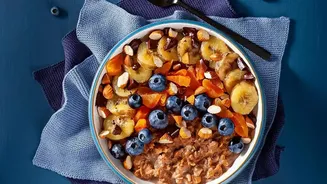
and minerals, sweet potatoes support a healthy digestive system and offer a naturally sweet flavour that can curb sugar cravings. Its low glycemic index helps in regulating blood sugar levels. Beyond simple boiling, it can be roasted until tender, mashed into tikkis, or pan-fried into crispy slices for a delicious chaat. Its adaptability makes it a reliable and comforting base for any meal of the day.
The Power Snack: Crunchy Makhana
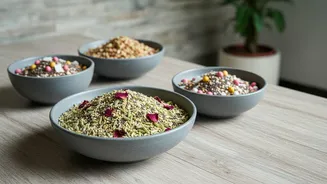
Makhana, or fox nuts, are the puffed seeds of the water lily plant and have gained immense popularity as a guilt-free snack. They are exceptionally light, crunchy, and low in calories. More importantly, makhana is a fantastic source of protein, magnesium, potassium, and antioxidants. These nutrients contribute to heart health, help manage blood pressure, and support bone health. The easiest way to enjoy them is by dry-roasting them in a pan with a teaspoon of ghee until they become crisp. A sprinkle of rock salt (sendha namak) is all you need for a simple snack. For something more elaborate, they can be added to kheer for a creamy dessert or used as a crunchy topping for chaats and yogurt bowls.
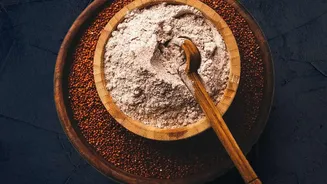
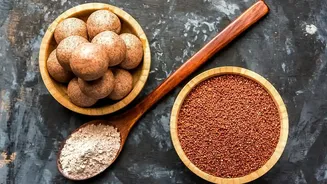
The Grain-Free Alternative: Singhara Atta
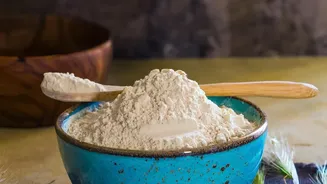
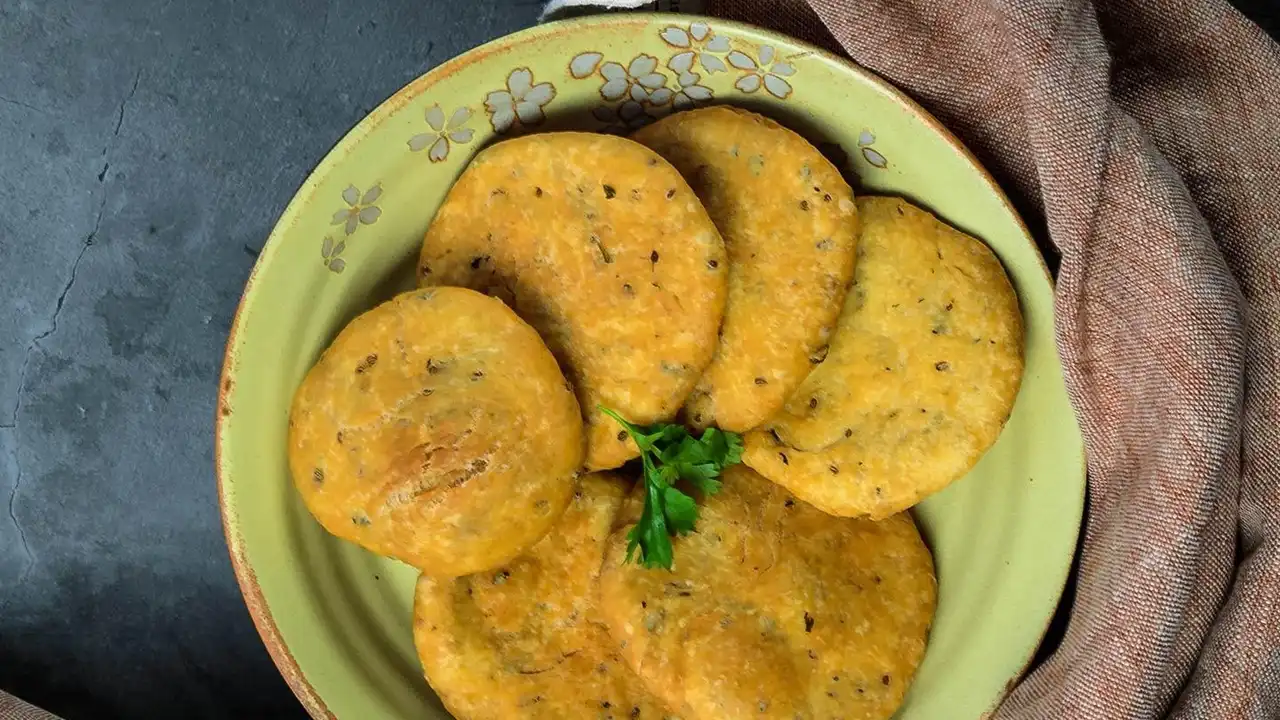
Singhara atta, or water chestnut flour, is an essential ingredient during Navratri and other fasting periods when grains are avoided. This gluten-free flour is dense in nutrients like potassium and fibre. It acts as an excellent binder and base for a variety of dishes. From fluffy puris and savoury cheelas to dense, satisfying halwa, singhara atta provides the structure needed to create traditional breads and sweets. While it can be slightly tricky to work with due to the absence of gluten, combining it with boiled and mashed potato or sweet potato helps create a pliable dough for rotis or parathas. This flour allows you to enjoy familiar textures and dishes while adhering to fasting norms.
Building Your Practical Daily Menu
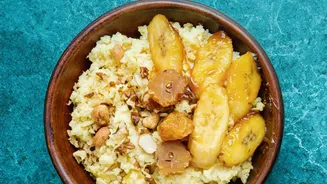
Combining these three ingredients allows you to create a balanced and varied menu that covers all your meals. For breakfast, a warm singhara atta cheela, perhaps stuffed with lightly spiced paneer, offers a protein-packed start. Lunch could feature a comforting sabzi made with boiled sweet potato cubes, paired with soft singhara atta puris or rotis. When evening hunger strikes, a bowl of roasted makhana provides a satisfying crunch without the heaviness of fried snacks. For dinner, a light and flavourful sweet potato and makhana chaat with yogurt and tamarind chutney can be a refreshing and complete meal. And for dessert, a rich singhara atte ka halwa or a creamy makhana kheer provides a sweet end to the day.
Tips for Smart and Easy Preparation
To make your cooking process smoother, a little prep goes a long way. Boil a batch of sweet potatoes at the beginning of the week; they can be stored in the refrigerator and used as needed for sabzis, chaats, or tikkis. Roast a large container of makhana so you have a ready-to-eat snack on hand. When making dough with singhara atta, always use warm water and let the dough rest for at least 20-30 minutes; this makes it easier to roll out. Don't be afraid to experiment with spices allowed during fasts, such as cumin, black pepper, and green chillies, to add a burst of flavour to these versatile ingredients.