


The Contenders: A Nutritional Snapshot
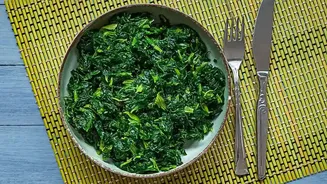
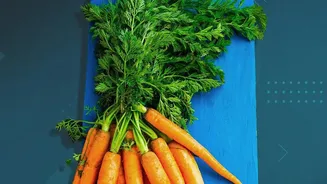
On the surface, both carrots and spinach are nutritional powerhouses. The vibrant orange of a carrot comes directly from beta-carotene, a pigment it's famously named after. Spinach, a dark leafy green, is loaded with vitamins and minerals, including iron,
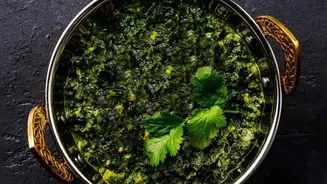
vitamin K, and, surprisingly, a huge amount of beta-carotene, although its orange hue is masked by green chlorophyll. In many Indian households, both 'gajar' and 'palak' are staples, used in everything from simple sautés to rich curries like Palak Paneer and celebratory desserts like Gajar ka Halwa. Both are considered essential for good health, but their beta-carotene stories are more complex than they appear.
What is Beta-Carotene?
Before we declare a winner, it's important to understand what we're measuring. Beta-carotene is a provitamin A carotenoid, meaning our bodies convert it into vitamin A (retinol). This essential vitamin is crucial for maintaining healthy vision, supporting a robust immune system, ensuring proper cell growth, and acting as an antioxidant to fight cellular damage. Because our bodies can convert it as needed, getting beta-carotene from whole foods is a safe and effective way to meet our vitamin A requirements without the risk of toxicity associated with high-dose supplements.
The Surprising Raw Data
If we were to judge solely on raw numbers, spinach would often come out on top. On a gram-for-gram basis, many analyses show that raw spinach contains a higher concentration of beta-carotene than raw carrots. For instance, one cup of cooked spinach can contain over 11,000 micrograms (mcg) of beta-carotene, while a similar portion of cooked carrots might have less. This fact often surprises people who associate beta-carotene exclusively with orange-coloured vegetables. However, the amount of a nutrient present in a food is only half the story. The more critical question is: how much of that nutrient can our bodies actually absorb and use?
Bioavailability: The Absorption Hurdle
This is where the race gets interesting. The 'bioavailability' of a nutrient refers to how easily it can be absorbed and utilized by the body. Carrots, it turns out, have a distinct advantage here. The beta-carotene in carrots is more readily bioavailable than that in spinach. The main reason for this is spinach's high content of oxalic acid, or oxalates. These naturally occurring compounds can bind with minerals like calcium and iron, and they also interfere with the absorption of beta-carotene. The tough cell walls in raw vegetables also lock away nutrients. So, while spinach may contain more beta-carotene on paper, your body may struggle more to access it.
The Transformative Power of Cooking
Here's a tip that applies to both vegetables: cooking dramatically improves beta-carotene absorption. Heat helps to break down the tough plant cell walls, releasing the carotenoids trapped within. Studies have shown that the bioavailability of beta-carotene from cooked carrots and spinach is significantly higher than from their raw counterparts. Furthermore, since beta-carotene is a fat-soluble compound, preparing these vegetables with a little bit of healthy fat—like a drizzle of ghee or oil—can boost absorption even more. Lightly steaming or sautéing is often better than boiling, which can cause some water-soluble vitamins to leach into the water.
A Verdict Beyond Beta-Carotene
While cooked carrots may have the edge for delivering the most usable beta-carotene, declaring spinach a 'loser' would be a mistake. Spinach is an undisputed champion of other nutrients. It provides vastly more iron, vitamin K, folate, and calcium than carrots. For example, spinach is an excellent source of the iron needed to produce hemoglobin and fight fatigue, and its vitamin K content is vital for blood clotting and bone health. Carrots, on the other hand, are a fantastic source of fiber, which aids digestion and helps manage blood sugar levels. The ideal approach isn't to choose one over the other, but to appreciate their unique strengths.