








What is the Kanda Express?
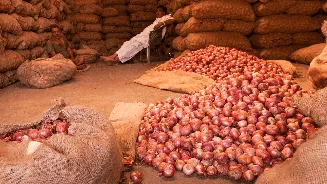
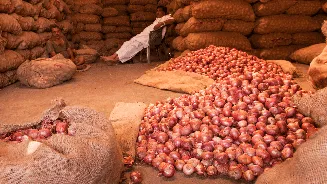
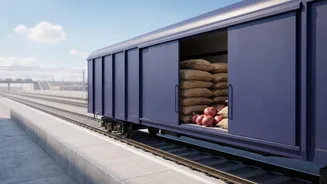
The 'Kanda Express' is not a single train, but a coordinated government effort to stabilize onion prices during seasonal surges. It involves transporting large quantities of onions from the government's buffer stock, primarily held in producing regions
like Nashik, Maharashtra, to major consumption centers across the country using dedicated railway rakes. This initiative, first launched in 2024-25, has been significantly scaled up. While 14 rakes moved about 12,000 tonnes in its first year, the program expanded to use 86 rakes to transport around 88,000 tonnes to 16 cities in 2025-26, demonstrating a major commitment to this new supply chain model. The goal is to rapidly increase supply where prices are highest, providing a direct counter-measure to market volatility.
A Two-Pronged Approach
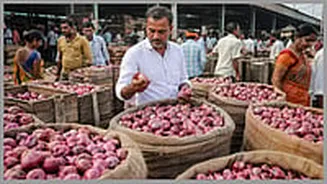
The Kanda Express initiative works in two main stages. First, it focuses on the wholesale market by injecting large volumes of onions directly into major mandis in cities like Delhi, Chennai, and Guwahati. The idea is that a sudden increase in supply will put downward pressure on wholesale rates. However, the mission doesn't stop there. The second, and more direct, part of the strategy involves retail intervention. Onions from the buffer stock are also sold directly to consumers at subsidized rates, often significantly lower than market prices. This is done through a network of mobile vans and retail outlets operated by government-backed cooperatives like NAFED and NCCF, as well as stores like Kendriya Bhandar.
Why Bypass Traditional Markets?
The traditional agricultural supply chain in India involves multiple intermediaries between the farmer and the consumer. This can lead to inefficiencies, spoilage, and price markups at each stage. During periods of tight supply, this system can be prone to speculation and hoarding, which further inflates prices. The recent surge saw average retail onion prices jump by 59% year-on-year by late August 2026. By procuring onions for its buffer stock and then using the Kanda Express and mobile vans, the government is creating a parallel, shortened supply chain. This direct route is intended to curb the influence of cartelisation and speculation that officials believe can contribute to price rises, ensuring that relief from buffer stock releases reaches consumers more effectively.
The Impact on Consumers and Farmers
For consumers in targeted cities, the impact is immediate: access to onions at a fixed, affordable price. For example, recent interventions saw onions being sold from mobile vans for ₹35 per kg at a time when market prices in cities like Delhi and Chennai had crossed ₹55-60 per kg. This provides direct relief to household budgets, especially during the festive season when demand spikes. The effect on farmers is more complex. The government procures onions for its Price Stabilisation Fund buffer from farmers, offering them a set price. However, some farmer representatives argue that when the government intervenes just as market prices are rising, it prevents them from capitalizing on potentially higher profits they could have earned by selling directly to private traders.
Challenges and the Road Ahead
While effective as a temporary measure, this model of intervention is not without its challenges. The success depends on the size of the buffer stock; this year's procurement of around 1.21 lakh tonnes is considered sufficient by officials but was short of the initial target. The logistics of transporting and distributing a perishable commodity on such a large scale are immense, requiring careful coordination between railways, storage facilities, and retail agencies. The key question is whether this is a sustainable, long-term solution or a recurring emergency measure. The government's continued investment in scaling up the Kanda Express suggests a strategic shift toward using direct intervention as a primary tool for price control, moving beyond just influencing wholesale markets to actively participating in retail.