



The Great Divide: Instant vs. Artisan
At one end of the spectrum is instant coffee, celebrated for its convenience and affordability. It accounts for a significant portion of global coffee consumption and for many, it's the only coffee they know. At the other end is specialty coffee, which
emphasizes high-quality, often single-origin Arabica beans with unique flavour profiles. The controversy arises from a perception of snobbery. While instant coffee prioritises function, specialty coffee is often presented as an art form, a ritual to be savoured. This has created a cultural rift where choosing convenience can be seen as having an unrefined palate, while opting for a pour-over can be viewed as pretentious. In reality, the choice is simply a trade-off between speed and sensory experience.
The Purist Debate: Black, Sweet, or Milky?
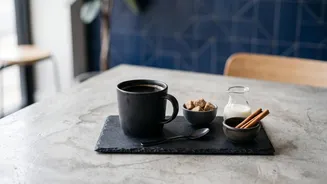
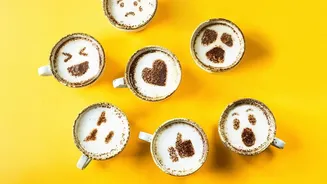
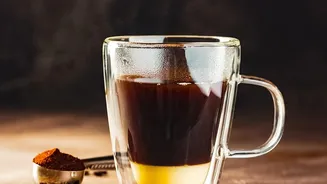
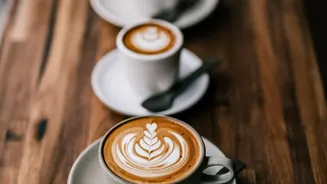
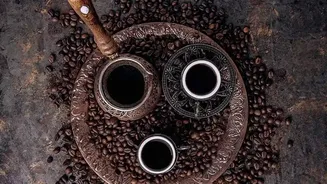
For coffee purists, the only way to drink coffee is black. Adding milk, sugar, or flavoured syrups is often seen as masking the true character of the beans. Those who drink espresso or black coffee are often perceived as decisive, efficient, and no-nonsense individuals. In contrast, drinkers of lattes and other milky, sweet concoctions are sometimes seen as prioritising comfort over quality. This debate even extends to seasonal drinks like the pumpkin spice latte, which has become a cultural marker that people either eagerly await or openly mock. These elaborate drinks, combining coffee with chocolate, caramel, or other flavours, blur the line between a beverage and a dessert, creating another point of contention between traditionalists and modern coffee lovers.
Unwritten Rules: Global Coffee Etiquette
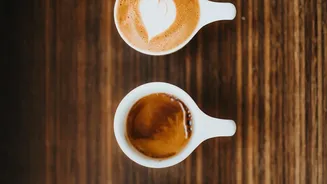
How you drink your coffee can also become controversial when cultural norms are involved. In Italy, for instance, ordering a cappuccino after 11 a.m. is a classic tourist mistake. Milky coffees are strictly considered a breakfast beverage, with Italians opting for a quick shot of espresso at a bar later in the day. In France, coffee is served after dessert, never with it, and ordering a flavoured brew would be met with confusion. In Ethiopia, the birthplace of coffee, the drink is part of a lengthy social ceremony that can last for hours; grabbing a coffee to-go is contrary to the entire cultural experience. These unwritten rules show that coffee is more than just a drink; it's a social ritual with deep cultural roots.
More Than a Drink: Ethics and Identity
In recent years, the controversy has moved beyond taste to ethics. Consumers are increasingly aware of the social and environmental issues within the coffee industry, which is valued at over $20 billion. Debates now include fair wages for farmers, the use of child labour, and the environmental impact of coffee farming, from deforestation to water usage. Brands that market themselves as '100% ethically sourced' have faced legal challenges and media investigations questioning those claims. As a result, choosing single-origin, fair-trade, or organic coffee has become a way for consumers to express their values. Your coffee order can be a political statement, signaling your awareness and commitment to sustainability and human rights.
The Psychology of Strong Opinions
Ultimately, the reason coffee preferences become so controversial is that they are tied to our identity. Some psychological studies suggest links between coffee choices and personality traits—black coffee drinkers being more individualistic, for example, while fans of sweet drinks are more sociable. Whether true or not, we often use these small daily choices to project an image of ourselves. The ritual of preparing and drinking coffee provides a sense of comfort and control in our daily lives. When someone challenges our coffee habits, they are, in a small way, challenging a part of our routine and self-expression. One recent study found that one in three Americans admit to judging others based on their coffee preferences.