






A Diplomatic Flock Arrives in Geneva
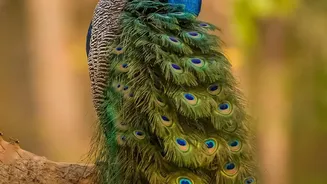
At a special ceremony, India's Permanent Representative to the UN in Geneva, Arindam Bagchi, formally presented five young peacocks to Tatiana Valovaya, the Director-General of the United Nations Office at Geneva (UNOG). The flock comprises four classic
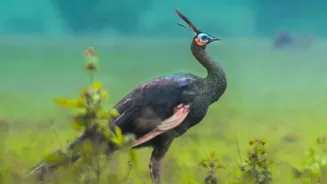
blue peafowl and one rare, striking white-feathered male. The thoughtful composition of blue and white birds was also noted for subtly echoing the official colours of the United Nations. This act of 'peacock diplomacy' revitalises a tradition that began in 1981, when former Prime Minister Indira Gandhi gifted a breeding pair of peacocks to the UNOG, creating a unique link between India and the institution's European headquarters.
More Than a Bird: The Peacock in Indian Culture
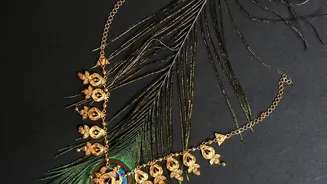
The choice of the peacock is steeped in significance. Declared India's national bird in 1963, the Indian peafowl, or Pavo cristatus, is a powerful symbol woven into the fabric of the nation's identity. It represents grace, beauty, and resilience. For centuries, the peacock has been a prominent motif in Indian art, architecture, mythology, and literature. It is the vehicle of the Hindu god of war, Kartikeya, and its feathers famously adorn the crown of Lord Krishna. Its presence in this diplomatic gift is a deliberate act of sharing a piece of India's soul, using a symbol that is instantly recognisable and universally admired for its beauty, transcending language and politics.
The Art of Soft Power
This gesture is a masterful exercise in soft power—the ability to attract and co-opt rather than coerce. In a world often dominated by hard negotiations and geopolitical tensions, cultural gifts create goodwill and strengthen bilateral ties in a less formal, more human way. Much like China's famous 'panda diplomacy', India's 'peacock diplomacy' uses a beloved national symbol to build bridges. By gifting peacocks, India is not seeking a specific policy outcome but is fostering a positive atmosphere and projecting an image of a confident nation proud of its natural heritage and committed to multilateralism. The Indian mission to the UN noted that the gesture underscores the country's commitment to biodiversity and environmental stewardship.
A Historic Home at Ariana Park
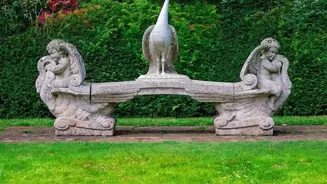
The peacocks are not entering an alien environment. They will be residents of Ariana Park, the 46-hectare estate that houses the Palais des Nations, the UN's headquarters in Geneva. In a fascinating historical twist, peacocks have been part of these grounds for over a century. The tradition dates back to the park's original owner, Gustave Revilliod, who bequeathed the estate to the city in 1890 with the specific wish that peacocks should always roam freely on its grounds. India's gift thus contributes to a cherished local tradition, replenishing the park's peafowl population and ensuring this living link to Geneva's history continues for years to come. After an initial three-month acclimatisation period in a dedicated enclosure, the five birds will be free to explore their new, historic home.