


A Craving for Comfort and Authenticity
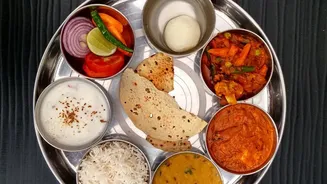
After years of chasing international trends and molecular gastronomy, many Indian diners are finding comfort in the tastes they grew up with. This isn't just about nostalgia; it's a search for authenticity in a food landscape that can often feel standardised.
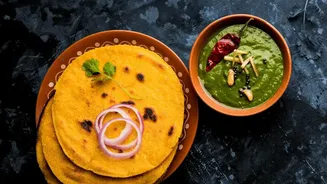
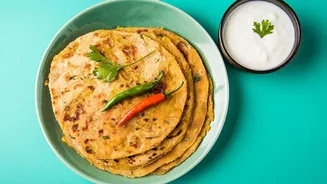
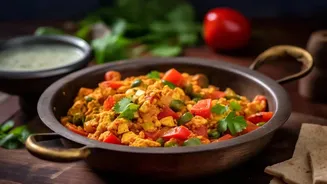
Experts note that consumers are increasingly looking for food that tells a story, with a clear connection to a specific region, community, or heritage. This desire for genuine experiences is driving a return to dishes and ingredients that feel honest and familiar. While classics like butter chicken and biryani remain popular, there's a growing curiosity for lesser-known regional specialities that offer a true taste of India's diverse culinary traditions. This trend reflects a deeper longing for connection and meals that provide emotional satisfaction, not just novelty.
The Revival of Ancient Grains
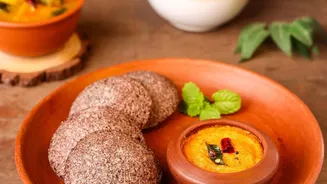
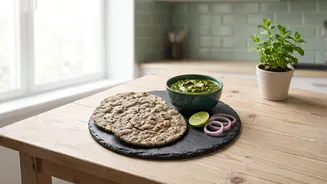
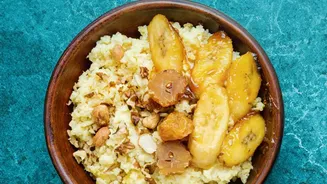
At the heart of this movement is the comeback of ancient grains like millets. Once dismissed as "poor man's food" in favour of refined wheat and rice, grains like jowar, bajra, and ragi are being celebrated again for their robust flavour and nutritional benefits. Health-conscious consumers and doctors are driving this change, recognising that traditional Indian diets built around these whole grains can support better health outcomes, including improved blood sugar control. This resurgence is visible on supermarket shelves and restaurant menus, with millets appearing in everything from dosa mixes and breads to cookies and breakfast cereals. Chefs are innovating with these grains, incorporating them into both traditional and modern dishes, proving their versatility and re-establishing them as a staple in the modern Indian kitchen.
Health as Heritage
The return to traditional foods is intrinsically linked to a growing wellness movement. Many are discovering that ancient Indian dietary wisdom aligns perfectly with modern health goals. Traditional plant-based meals, rich in legumes, vegetables, and spices, are naturally high in fibre and antioxidants. Cooking methods like fermentation (used for idli and dosa) and the use of healthy fats like ghee are now understood to support gut health and provide essential nutrients. Doctors and nutritionists are increasingly recommending regional Indian meal patterns over imported diet fads, citing a growing body of research that validates the health benefits of these time-tested food traditions. This has reframed traditional eating not as old-fashioned, but as a sophisticated and sustainable approach to well-being.
Chefs Championing Local Roots
India's top chefs are playing a crucial role in this culinary renaissance. Instead of focusing solely on international techniques, many are turning inward, exploring forgotten recipes and championing hyperlocal ingredients. Chefs are designing menus that celebrate regional diversity, from the fiery curries of Goa to the subtle flavours of the Himalayas. This involves not only reviving dishes but also telling their stories, highlighting the origin of the ingredients and the cultural context behind the recipes. By presenting traditional flavours with a contemporary flair, these culinary leaders are making heritage cooking exciting for a new generation of diners and proving that innovation and tradition can coexist beautifully on the same plate.