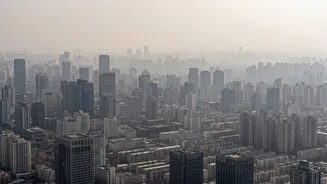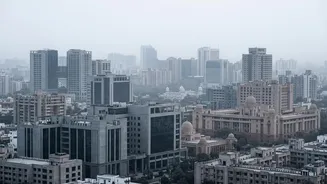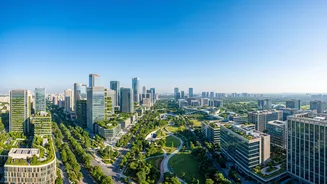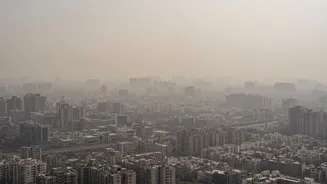








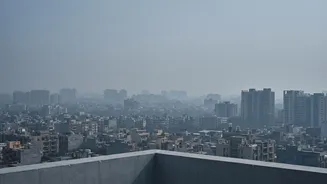
The High Cost of Delay
A new report from the UN Environment Programme (UNEP) and the Climate and Clean Air Coalition (CCAC) puts a number on procrastination. The assessment, titled 'Hidden Assets: The Economic and Health Case for Climate and Clean Air Action', makes a clear
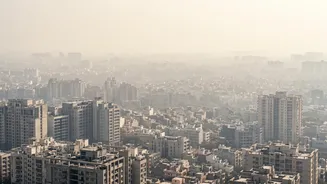
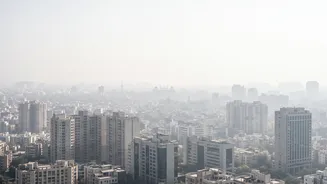
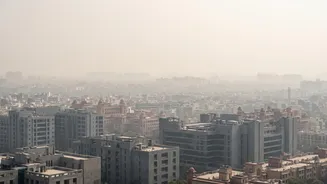
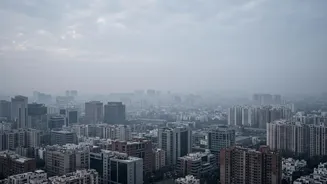
case for Delhi: meet the national air quality standards on schedule starting from 2026, and the city could cut its PM2.5 exposure burden by 20 percent by 2040. However, the report warns that an eight-year delay, which is the expected global average for implementation, would slash that achievement in half. A mere 10 percent reduction would lead to far greater health consequences for millions.
An Economic Wake-Up Call
This isn't just about health; it's about wealth. The UN-backed report is one of the first to comprehensively assess the global economic case for integrated climate and clean air action. The findings are staggering, suggesting that every dollar invested in these combined efforts could yield up to fifteen dollars in economic returns. Forgoing action has a direct cost. Each year of delay, the report estimates, costs the world over $1.5 trillion in lost benefits. For a major economic hub like Delhi, the message is clear: cleaning the air is a direct investment in economic productivity and stability, reducing output losses which have previously been estimated to cost India a significant percentage of its GDP.
It's More Than Just Winter Smog
While Delhi's winter smog gets the most attention, the UNEP report focuses on a wider range of pollutants and year-round challenges. The assessment highlights the impact of pollutants like ground-level ozone alongside the infamous PM2.5 particles. Human-caused outdoor air pollution was linked to an estimated 6.4 million premature deaths worldwide in 2025 alone. The report identifies 25 feasible solutions—including transitioning to renewable power, improving energy efficiency, adopting cleaner cooking technologies, and enforcing stricter vehicle emission standards—that can tackle both air pollution and climate change simultaneously. This broader view reinforces that a seasonal crisis response is not enough; a systemic, year-round overhaul is required.
The Challenge of Implementation
The report's optimistic scenarios hinge on a critical factor: timely implementation. The biggest hurdle identified globally is not a lack of technology or solutions, but institutional barriers that cause significant delays. For Delhi, this is the crux of the issue. Various government departments—from transport and health to urban planning—hold pieces of the puzzle, but cohesive, accountable action remains a challenge. While Delhi has recently announced ambitious policies, like its target for 30 percent fleet electrification by 2030, the UN report serves as a stark reminder that the clock is ticking and the benefits of these policies are drastically reduced with every year they are delayed.