




The Soul of a Sacred Offering
What separates Bhoger Khichuri from any other khichdi is its 'niramish' or sattvik nature. Prepared without any onion or garlic, it is a pure vegetarian dish deemed fit for the gods. The term 'bhog' itself means a religious offering, and this khichuri
is the centerpiece of the prasad distributed to devotees at community pujas, especially during Durga Puja. Its preparation is a ritual, cooked with utmost care and devotion, which many believe is what gives it a divine taste that is impossible to replicate. The dish represents community and togetherness, served from large pots to long queues of people, fostering a sense of unity.
Essential and Aromatic Ingredients
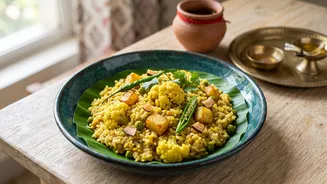
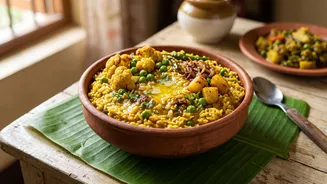
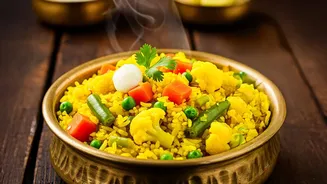
The magic of Bhoger Khichuri lies in a few key ingredients that define its unique character. The star is Gobindobhog rice, a short-grained, aromatic variety from West Bengal that lends the dish its signature fragrance and slightly sticky texture. While other short-grain rice can be used, Gobindobhog is highly recommended for authenticity. The other crucial component is Sona Moong Dal, which is dry-roasted until it releases a nutty aroma before being cooked. This step is fundamental and gives the khichuri its other name, 'Bhaja Muger Dal Khichuri'. The dish is typically cooked with seasonal vegetables like potatoes, cauliflower, and green peas, and spiced with ginger, turmeric, cumin, and whole spices like bay leaves, cinnamon, and cardamom.
The Art of Roasting and Cooking
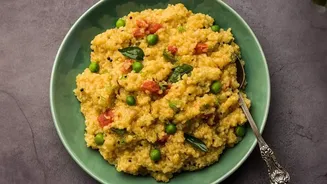
The cooking process begins with the most important step: dry roasting the moong dal. In a pan over medium heat, the dal is stirred continuously until it turns a light golden brown and fills the kitchen with a warm, nutty fragrance. This step not only adds depth of flavour but is a hallmark of the traditional method. Next, vegetables like potatoes and cauliflower are often fried in mustard oil until golden and set aside. The main pot comes together by tempering whole spices in ghee and mustard oil, followed by ginger paste and powdered spices to create a fragrant base. The roasted dal and washed rice are then sautéed in this spice mixture before hot water is added. The consistency is key; it should be thick and porridge-like, but with the rice and dal grains still discernible—soft but not completely mushy.
A Homemade Bhoger Khichuri Guide
To create this dish at home, begin by dry roasting one cup of moong dal until fragrant, then wash it along with one cup of Gobindobhog rice. Heat a mix of mustard oil and ghee in a large pot. Fry chunks of potato and cauliflower florets until golden and set them aside. In the same oil, temper with bay leaves, dried red chillies, cinnamon, cardamom, and cumin seeds. Add a tablespoon of ginger paste, along with turmeric and cumin powder, and sauté for a minute. Add the rinsed rice and dal, stirring to coat them in the spices. Pour in about six cups of hot water, add salt, and bring to a boil. Add the fried potatoes. Let it simmer, covered, stirring occasionally. When the khichuri is about half-cooked, add the fried cauliflower and a handful of green peas. Continue to cook until the rice and dal are soft and the consistency is creamy. If it becomes too thick, add more hot water. Finish by stirring in a teaspoon of sugar and a generous spoonful of ghee. Let it rest for a few minutes before serving.
How to Serve Your Khichuri
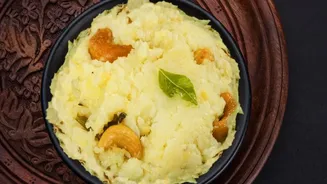
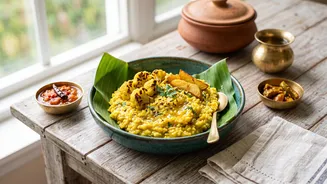
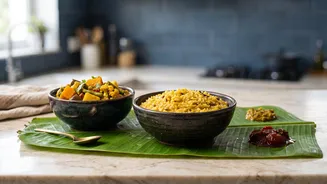
Bhoger Khichuri is a feast in itself but is traditionally served as part of a larger platter that creates a symphony of textures and flavours. The most classic accompaniment is 'Begun Bhaja'—pan-fried eggplant slices marinated in simple spices. Another quintessential side is 'Labra', a mixed vegetable medley cooked with panch phoron, a Bengali five-spice blend. A sweet and tangy tomato chutney, crunchy papad, and a dollop of extra ghee on top of the hot khichuri complete the divine experience, transporting you straight to a festive pandal in Kolkata.