






Kerala is charting a new course in Indian aviation with an ambitious plan to launch its own airline. Backed by a co-operative model, the project aims to enhance connectivity and offer fairer fares, starting with two 72-seat aircraft.
A Cooperative First for Indian Skies
The government of
Kerala has granted in-principle approval for what is being positioned as India's first airline in the cooperative sector. Tentatively named 'Co-Keralam', the initiative is spearheaded by the Kerala Civil Aviation Development Cooperative Society. The core idea is to create an airline funded and supported by the people and cooperative institutions of Kerala, aiming to address the long-standing issue of high airfares, particularly for the large Non-Resident Keralite (NRK) population travelling between the state and the Gulf. The project is modelled on the successful public-private partnership of Cochin International Airport Ltd (CIAL), which was also built with widespread investment.
Starting Small: The Two 72-Seat Aircraft
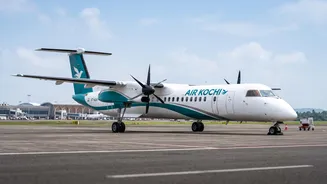
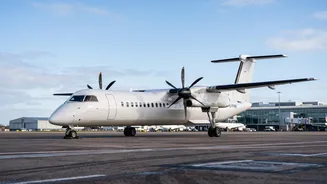
The initial phase of the plan is to begin operations with two leased 72-seater aircraft. This strategy allows the airline to enter the market with a lower initial capital burden compared to purchasing aircraft outright. These types of planes, likely turboprops such as the ATR-72, are well-suited for short-haul regional routes. The plan is to establish an operational base in Kochi and expand the fleet to four and eventually six aircraft as the service grows and stabilises. This cautious, phased approach is designed to manage risk in the notoriously competitive Indian aviation market.
Who is Driving the Project?
The initiative is being led by C.N. Vijayakrishnan, a prominent figure in Kerala's cooperative sector and the chairman of the MVR Cancer Centre and Research Institute. The state government is playing a supportive role, with the Chief Minister proposed to be the company's chairman and the Cooperation Minister its vice-chairman. This structure signals strong political backing. The funding model is central to its cooperative identity, aiming to raise capital by offering shares to about 200 cooperative societies, Non-Resident Indians (NRIs), and other public investors, creating a broad ownership base.
Connecting Kerala and Beyond
The proposed initial network focuses heavily on improving regional connectivity. From its base in Kochi, the airline plans to connect major Keralan cities like Kozhikode and Kannur with key south Indian business and travel hubs, including Bengaluru, Chennai, Mangaluru, Coimbatore, and Madurai. This would provide more direct flight options within the region. Fares are proposed to be in the range of ₹3,500 to ₹7,000, making them competitive with highspeed train services. The plan also includes offering discounted last minute tickets for unsold seats to maximize occupancy and provide affordable options for passengers.
The Challenges Ahead
Launching an airline in India is a formidable challenge. The industry is capital intensive and faces issues like volatile fuel prices, a weakening rupee, and intense competition from established giants who control a vast majority of the market. India's aviation history is filled with airlines that failed to achieve sustainable profitability. 'Co Keralam' will need to navigate a complex regulatory landscape to secure all necessary licenses from the Directorate General of Civil Aviation (DGCA), negotiate for airport slots, and build a resilient business model. The project's success hinges on overcoming these structural industry hurdles.