

What is Reverse Walking?
Reverse walking, also known as retro walking, is exactly what it sounds like: walking in a backward direction. While it might feel unnatural at first, this simple shift in movement offers a host of benefits not typically achieved through forward motion.
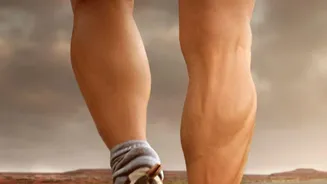
Unlike forward walking where you land on your heel and roll forward, reverse walking involves landing on your toes and rolling back to your heel. This change in mechanics alters which muscles are engaged and how your joints are loaded, making it a powerful tool for both rehabilitation and general fitness. Physical therapists have used it for decades to help patients recovering from injuries, but it's now gaining mainstream attention as a low-impact way to improve overall health.
The Surprising Benefits
Walking backward might look odd, but the advantages are well-documented. One of the most significant benefits is relief for knee pain. By changing the point of impact from the heel to the toe, reverse walking reduces stress on the knee joints, which can be a game-changer for individuals with conditions like osteoarthritis. This movement also strengthens the quadriceps muscles more effectively than forward walking, which is crucial for knee stability and pain reduction. Beyond the knees, retro walking enhances balance, coordination, and proprioception (your body's awareness in space) because it forces your brain to be more engaged. It can also improve hamstring flexibility, activate underused glute and lower back muscles, and even burn significantly more calories than walking forward at the same pace.
Your First Steps: Using a Wall for Support
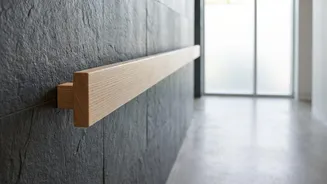
The biggest hurdle for beginners is the fear of losing balance or bumping into something. This is where a wall or a sturdy railing becomes your best friend. Using a support allows you to focus on form without worrying about falling. Start in a clear, obstacle-free hallway or alongside a kitchen counter. Place your hand lightly on the wall or railing for stability. Look straight ahead, not down at your feet, to maintain better posture. Begin by taking small, deliberate steps backward. Focus on the toe-to-heel motion: your toe should touch the ground first, followed by the ball of your foot, and finally your heel. The support is there to steady you, not to hold your weight. As you become more comfortable, you can rely on it less and less.
Mastering the Proper Form
Correct form is essential to reap the benefits and avoid strain. Keep your back straight and your core engaged throughout the movement. Avoid the temptation to lean far backward; instead, think of your body as a straight line moving through space. Your power should come from your hips and knees, not from falling backward into each step. As you step back with one leg, the knee of that leg should straighten just before your foot makes contact with the ground. This motion is key to improving range of motion. Once you feel steady using a wall, you can try it in an open, flat area, periodically glancing over your shoulder to ensure your path is clear. Starting on a treadmill is another safe option, as you can set a slow speed and use the handrails for support.
Progressing Beyond the Wall
Once you can comfortably walk backward for several minutes using a wall for light support, it's time to progress. Try taking your hand off the wall for a few steps at a time, keeping it close in case you need it. Gradually increase the duration you spend walking unassisted. You can then move to an open indoor space away from the walls. The goal is to build confidence and stability. When you feel secure walking backward on a flat surface, you can introduce new challenges. Walking backward on a slight incline, for example, can further increase the workout for your quadriceps and cardiovascular system. Some people even incorporate light resistance by using bands, but this should only be attempted after you have mastered the basic movement.